Notoginseng (Panax notoginseng), called sanqi or tianqi in China, and Korean ginseng (Panax ginseng) are two different plants in the same genus. Buyers pick them for different jobs. Notoginseng is the root people take for circulation, platelets and recovery after a stroke. Korean ginseng is the root people take for tiredness, sexual function and immune support. This page sets the two side by side. The three way picture is in the three Panax species, and our sister site covers Korean ginseng in depth at panaxginseng.com.
Two Species from Two Homes
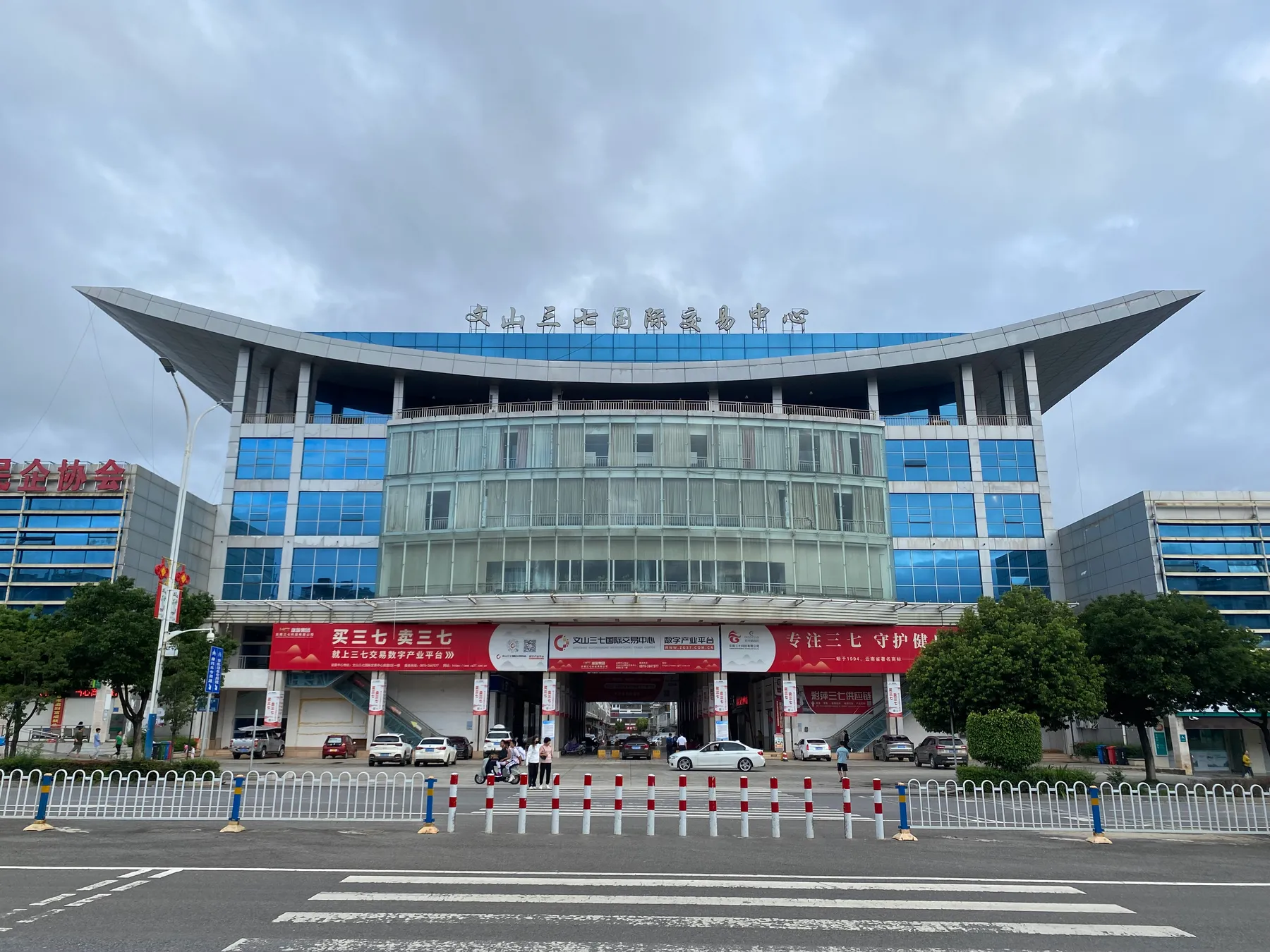
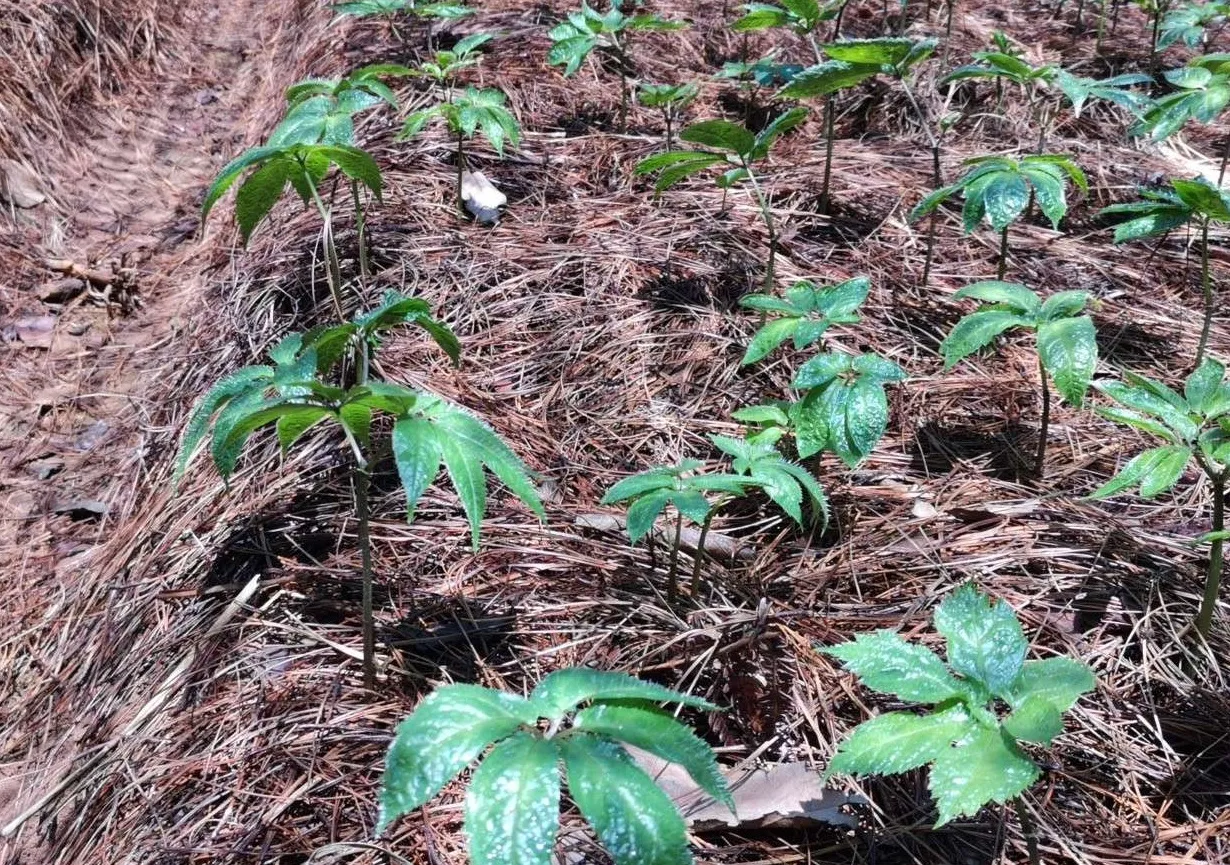
Notoginseng grows in forests at 1,200 to 1,800 metres in southeast Yunnan and is cultivated in Guangxi and other southern provinces (Flora of China). Almost the whole crop comes from Wenshan prefecture in Yunnan, which a 2018 study of 215 root samples put at more than 90 percent of world production (Yang 2018). Chinese medicine has used the root for bleeding from injury, trauma, pain and heart and circulation problems (Wang 2016).
Korean ginseng grows in Korea and northeast China. It is sold white, which is air dried, or red, which is steamed before drying (Sun 2011). It has the deepest research record of the three species, and that record is on panaxginseng.com.
The Saponins Differ, and a Lab Can Tell
Both roots make ginsenosides, the saponins behind most ginseng research. Notoginseng makes more of them. A 2011 analysis of nineteen ginsenosides found air dried notoginseng held two to five times the total of air dried American or Asian ginseng (Sun 2011).
Notoginseng also makes notoginsenoside R1. A 2023 chemical study of five Panax species named R1 among the compounds that separate notoginseng from Korean ginseng (Ji 2023). In notoginseng saponin extracts, ginsenosides Rg1, Rb1, Rd and Re plus notoginsenoside R1 make up about 90 percent of the saponin content (Zeng 2026).
Notoginseng Has the Circulation and Stroke Trials
The notoginseng record sits with stroke, platelets and angina. Nearly all of it used saponin extracts, not root powder. A 2023 trial at 67 Chinese hospitals gave 2,966 people with ischemic stroke 120 mg of notoginseng saponins (Xuesaitong soft capsules, a prescription medicine in China) or placebo twice a day for 3 months. At 3 months, 89.3 percent of the saponin group could live independently against 82.4 percent on placebo, and serious side effects were 1.0 percent against 1.1 percent (Wu 2023).
A 2022 review of 20 trials in 2,216 people with coronary disease or stroke found notoginseng preparations plus aspirin held platelet clumping down more than aspirin alone, with no rise in bleeding events (Dai 2022). A 2013 review of 17 trials in 1,747 people with coronary heart disease found oral notoginseng preparations eased angina symptoms; most of the trials were small, and the review found no change in heart attacks or deaths (Shang 2013). The full record is in notoginseng for circulation and notoginseng for heart health.
Korean Ginseng Has the Fatigue and Erectile Function Trials
A 2016 review of 12 studies in 630 people found Korean ginseng eased tiredness better than placebo (Bach 2016). A 2021 Cochrane review of 9 trials in 587 men found it improved erectile function, mostly at 1.8 to 3 grams of red ginseng a day for 8 to 12 weeks (Lee 2021).
A 1996 trial of 227 people found a standardised extract taken around a flu shot roughly doubled the antibody response (Scaglione 1996). A 2005 crossover trial of 30 people found a single 200 to 400 mg dose helped them stay sharper through an hour of demanding mental work (Reay 2005). These trials used shelf products: root extract capsules and red ginseng root.
Raw and Steamed, White and Red
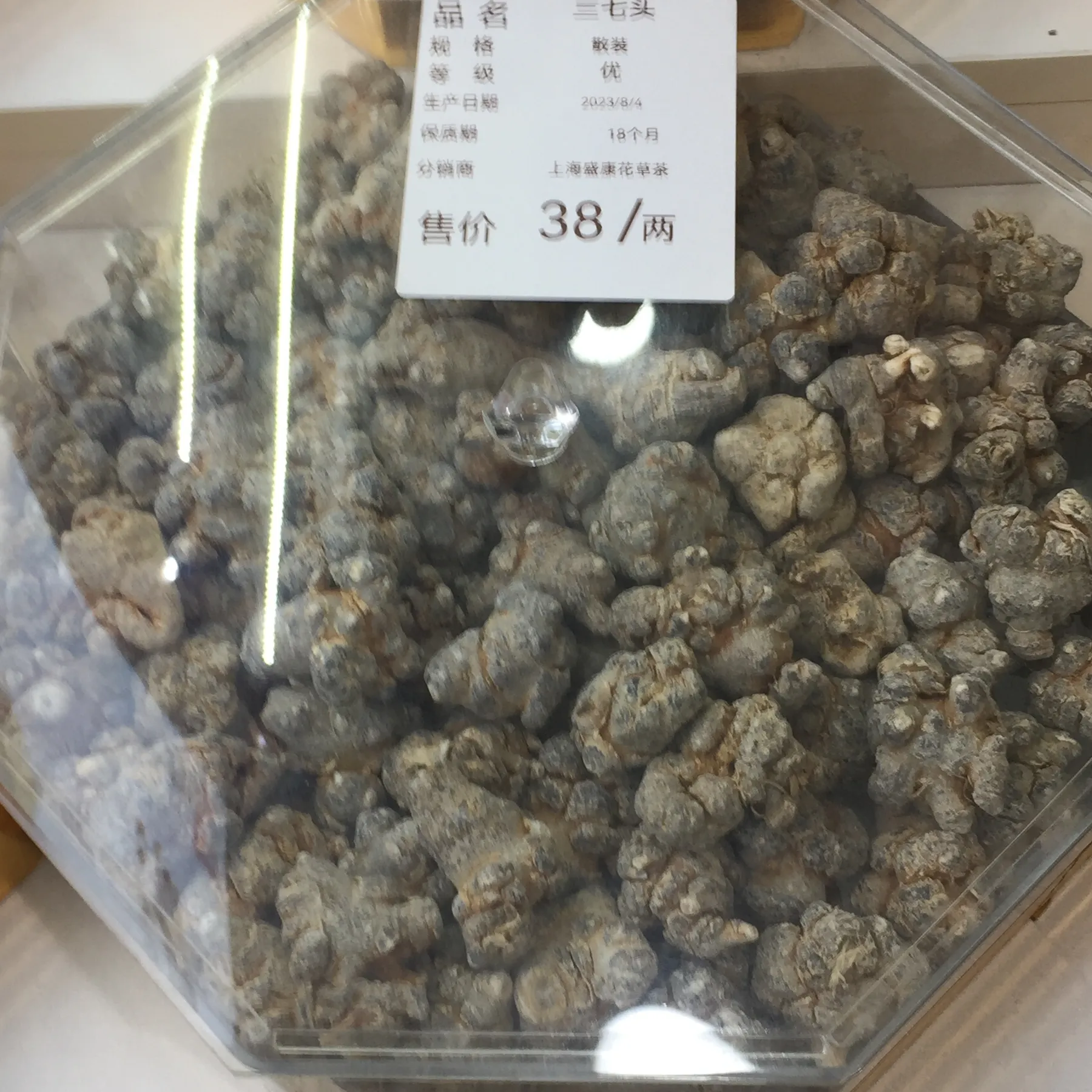
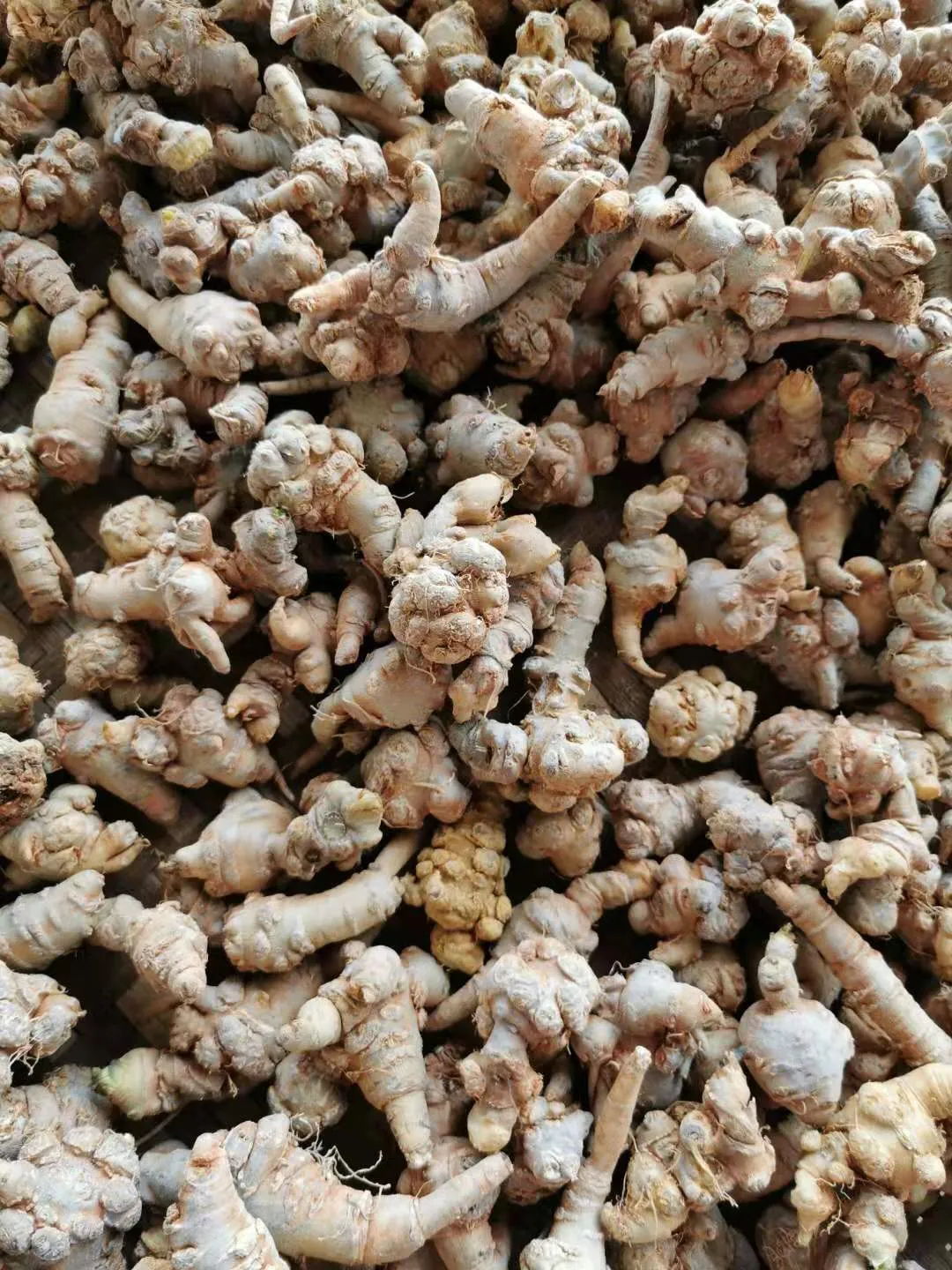
Both species are sold dried and steamed. Raw notoginseng (sheng sanqi) is the form for bleeding and bruises; steamed notoginseng (shu sanqi) is the form for building blood after illness. Steaming lowers dencichine, the clotting compound, and converts the native saponins into rarer ones such as Rg3 and Rk1 (Zeng 2026). Korean ginseng is sold white or red, and steaming converts its saponins the same way (Sun 2011). The notoginseng side is in raw vs steamed notoginseng.
Tradition Gives Them Different Jobs
In Chinese medicine, notoginseng moves blood and stops bleeding, and its processing rule is "raw for dispersing, processed for tonifying" (Zeng 2026). Korean ginseng tonifies qi, the traditional word for vital energy, and is classed as warming. These are traditional descriptions rather than trial results, and they match the split in the trials above.
Which One You Want
- Circulation, platelets and recovery after a stroke: notoginseng (Panax notoginseng). The trials used saponin extract capsules or hospital injections, so a saponin product is the form that matches them.
- Bruises and bleeding: raw notoginseng, the traditional form, covered in notoginseng for bruises and bleeding.
- Everyday tiredness and erectile function: Korean ginseng (Panax ginseng), on the 630 person fatigue review and the 587 man Cochrane review.
- A stronger flu shot response: Korean ginseng, from the 227 person trial.
- After meal blood sugar: neither is the lead species. That record belongs to American ginseng, in notoginseng vs American ginseng.
What Users Report
Notoginseng users often describe a root they keep in the cupboard for bruises, nosebleeds, heavy periods and circulation, and many take it on a practitioner's advice after a heart event. Korean ginseng users describe stamina, warmth and a lift on low energy weeks. People who keep both report using them for separate jobs rather than swapping one for the other.
Safety Notes
Notoginseng acts on platelets. Talk with your doctor before taking notoginseng if you take warfarin, aspirin, clopidogrel or any blood thinner. Stop it before surgery. Avoid it in pregnancy and breastfeeding, where there are no trials. In the 2,966 person stroke trial, serious side effects on the saponin capsule matched placebo (Wu 2023). Korean ginseng's side effects looked similar to placebo in a 2002 review (Coon and Ernst 2002); talk with your doctor if you take blood thinners, diabetes medicines or MAOIs.
For circulation, platelets and recovery after a stroke, notoginseng is the species with the trials. For tiredness and erectile function, Korean ginseng is.
References
- Yang Z et al. 2018. Investigating chemical features of Panax notoginseng based on integrating HPLC fingerprinting and determination of multiconstituents by single reference standard. J Ginseng Res.
- Wang T et al. 2016. Traditional uses, botany, phytochemistry, pharmacology and toxicology of Panax notoginseng (Burk.) F.H. Chen: A review. J Ethnopharmacol.
- Sun S et al. 2011. Red notoginseng: higher ginsenoside content and stronger anticancer potential than Asian and American ginseng. Food Chem.
- Ji R et al. 2023. Untargeted Metabolomic Analysis and Chemometrics to Identify Potential Marker Compounds for the Chemical Differentiation of Panax ginseng, P. quinquefolius, P. notoginseng, P. japonicus, and P. japonicus var. major. Molecules.
- Zeng X et al. 2026. Panax notoginseng saponins against ischemic stroke: From molecule to clinic. J Ethnopharmacol.
- Wu L et al. 2023. Efficacy and Safety of Panax notoginseng Saponins in the Treatment of Adults With Ischemic Stroke in China: A Randomized Clinical Trial. JAMA Netw Open.
- Dai L et al. 2022. Panax notoginseng preparation plus aspirin versus aspirin alone on platelet aggregation and coagulation in patients with coronary heart disease or ischemic stroke: A meta-analysis of randomized controlled trials. Front Pharmacol.
- Shang Q et al. 2013. Oral Panax notoginseng Preparation for Coronary Heart Disease: A Systematic Review of Randomized Controlled Trials. Evid Based Complement Alternat Med.
- Bach HV et al. 2016. Efficacy of ginseng supplements on fatigue and physical performance: a meta-analysis. J Korean Med Sci.
- Lee HW et al. 2021. Ginseng for erectile dysfunction. Cochrane Database Syst Rev.
- Scaglione F et al. 1996. Efficacy and safety of the standardised ginseng extract G115 for potentiating vaccination against the influenza syndrome and protection against the common cold. Drugs Exp Clin Res.
- Reay JL et al. 2005. Single doses of Panax ginseng (G115) reduce blood glucose levels and improve cognitive performance during sustained mental activity. J Psychopharmacol.
- Zeng X et al. 2026. Processing-driven chemical transformations and pharmacological shifts in Panax notoginseng. J Ethnopharmacol.
- Coon JT, Ernst E. 2002. Panax ginseng: a systematic review of adverse effects and drug interactions. Drug Saf.
- Flora of China, Panax notoginseng: http://www.efloras.org/florataxon.aspx?flora_id=2&taxon_id=200015251
Nothing here is medical advice. If you take prescription medication, talk with your doctor before adding notoginseng.