Notoginseng is sold as whole root, slices, powder, capsules and saponin extracts, and the trade has its own vocabulary: Wenshan, head count, raw or steamed, three years. This guide explains each term, says which form the trials used, and shows how to spot a substitute.
What the Label Should Say
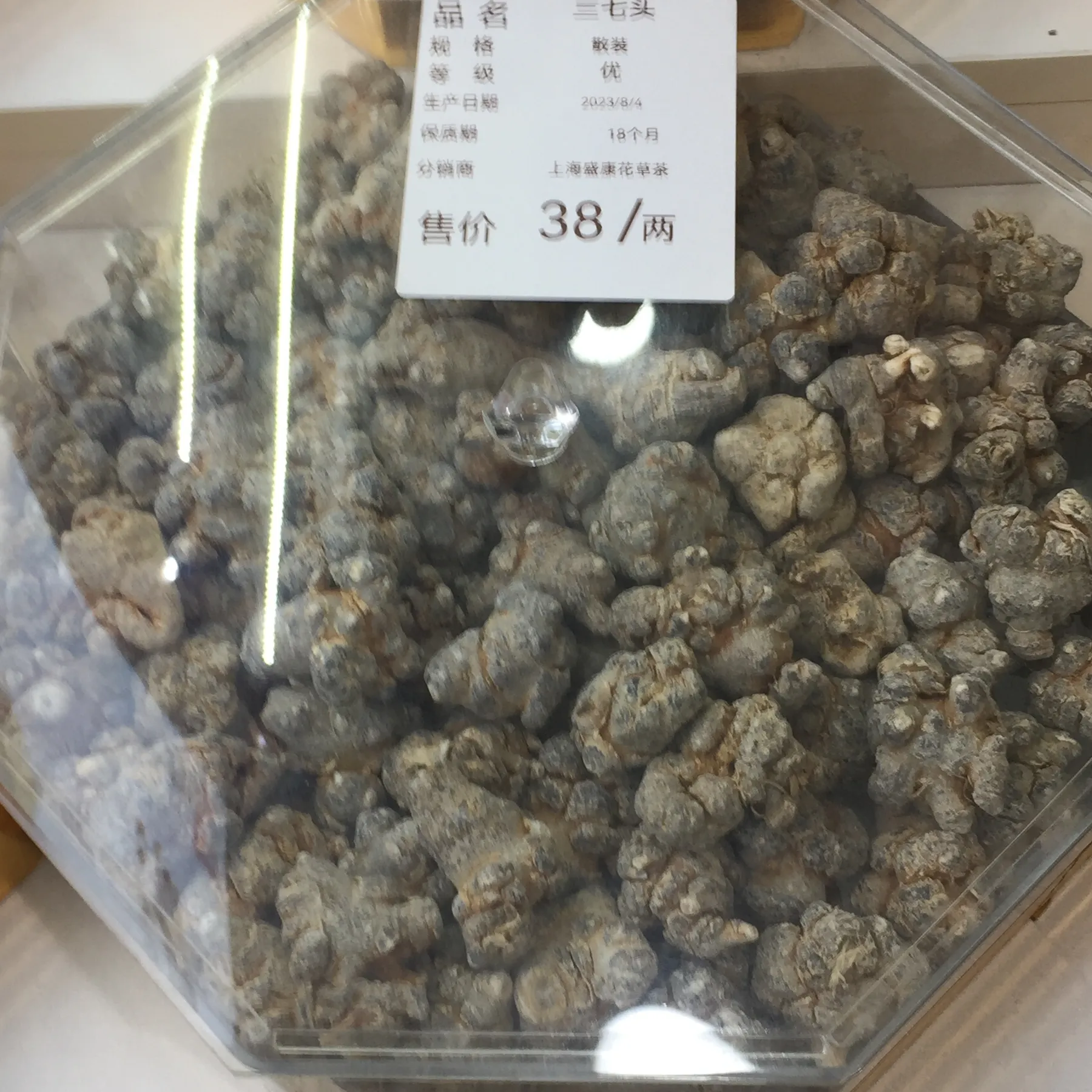
A good label names the species, Panax notoginseng, or its Chinese names sanqi, tianqi or sanchi. It names the origin, usually Wenshan in Yunnan. It says raw or steamed. For whole root it gives a head count grade, and for any form it says the roots were three years old at harvest.
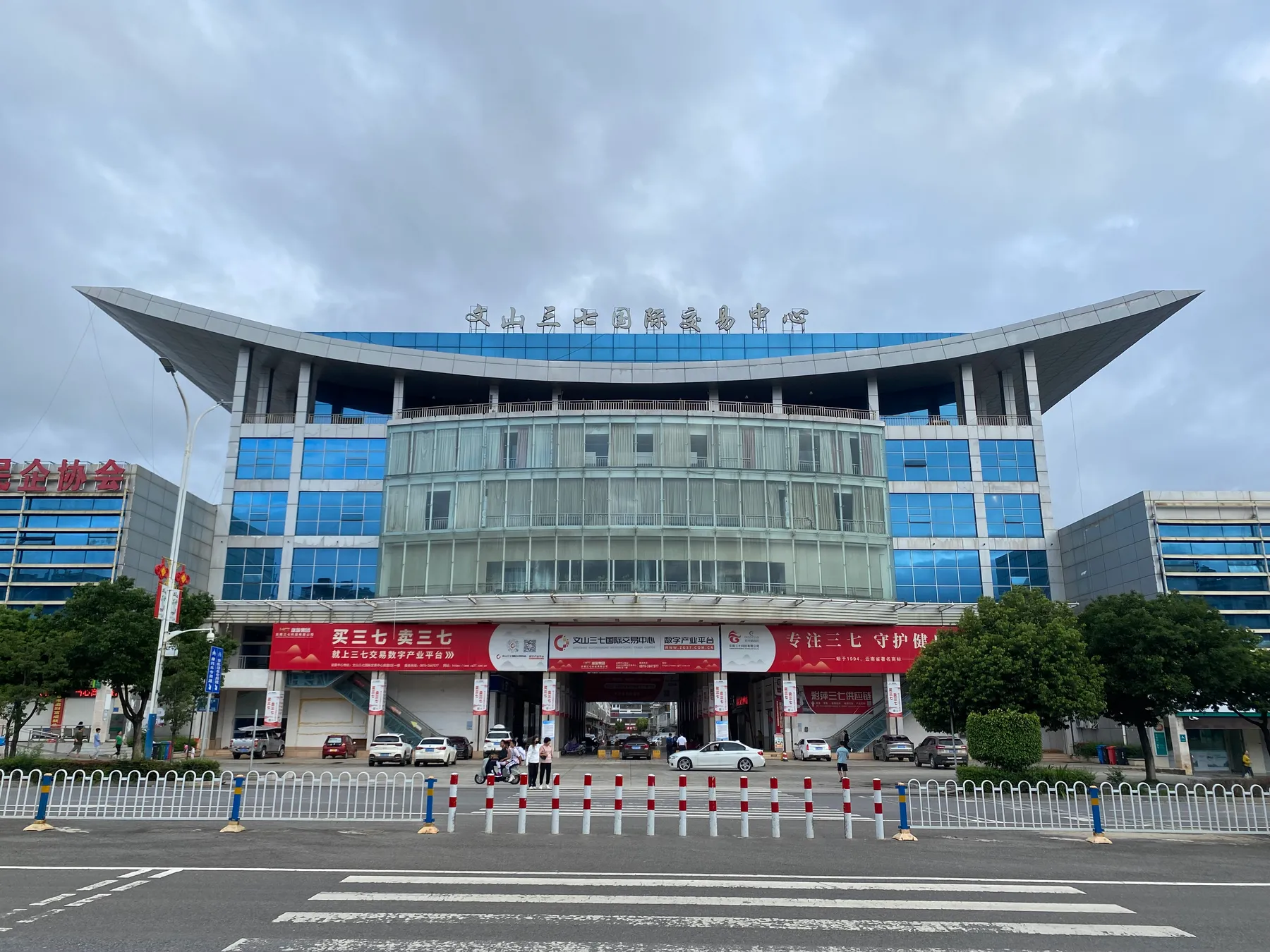
Wenshan Is the Origin to Look For
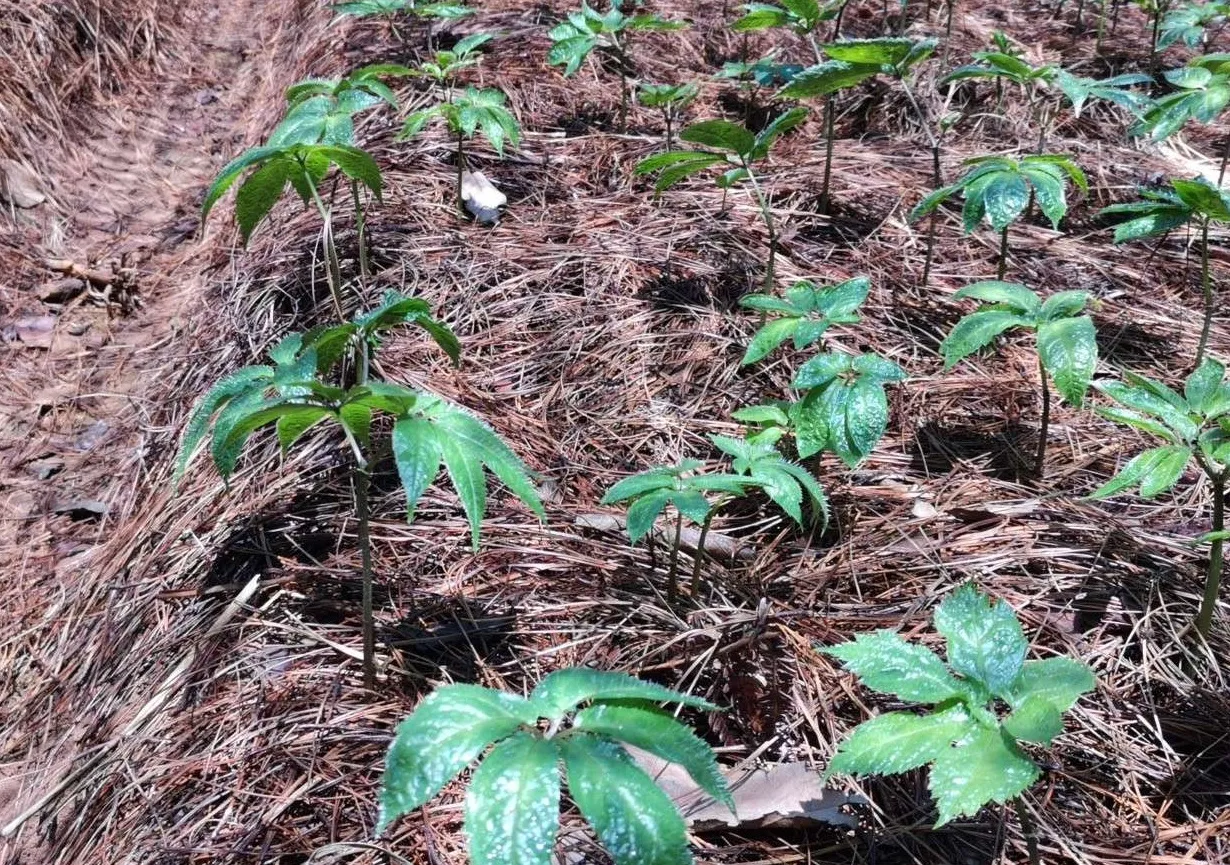
The plant grows in forests at 1,200 to 1,800 metres in southeast Yunnan and is cultivated in Guangxi, Fujian, Jiangxi and Zhejiang (Flora of China). A 2018 study of 215 root samples described Wenshan prefecture in Yunnan as the daodi region, the traditional place of best quality, and put more than 90 percent of world production there (Yang 2018). Wenshan notoginseng holds a Chinese geographical indication and was in the first list of products under the 2020 China and EU geographical indication agreement (CNIPA, 2024).
Head Count Is the Size Grade
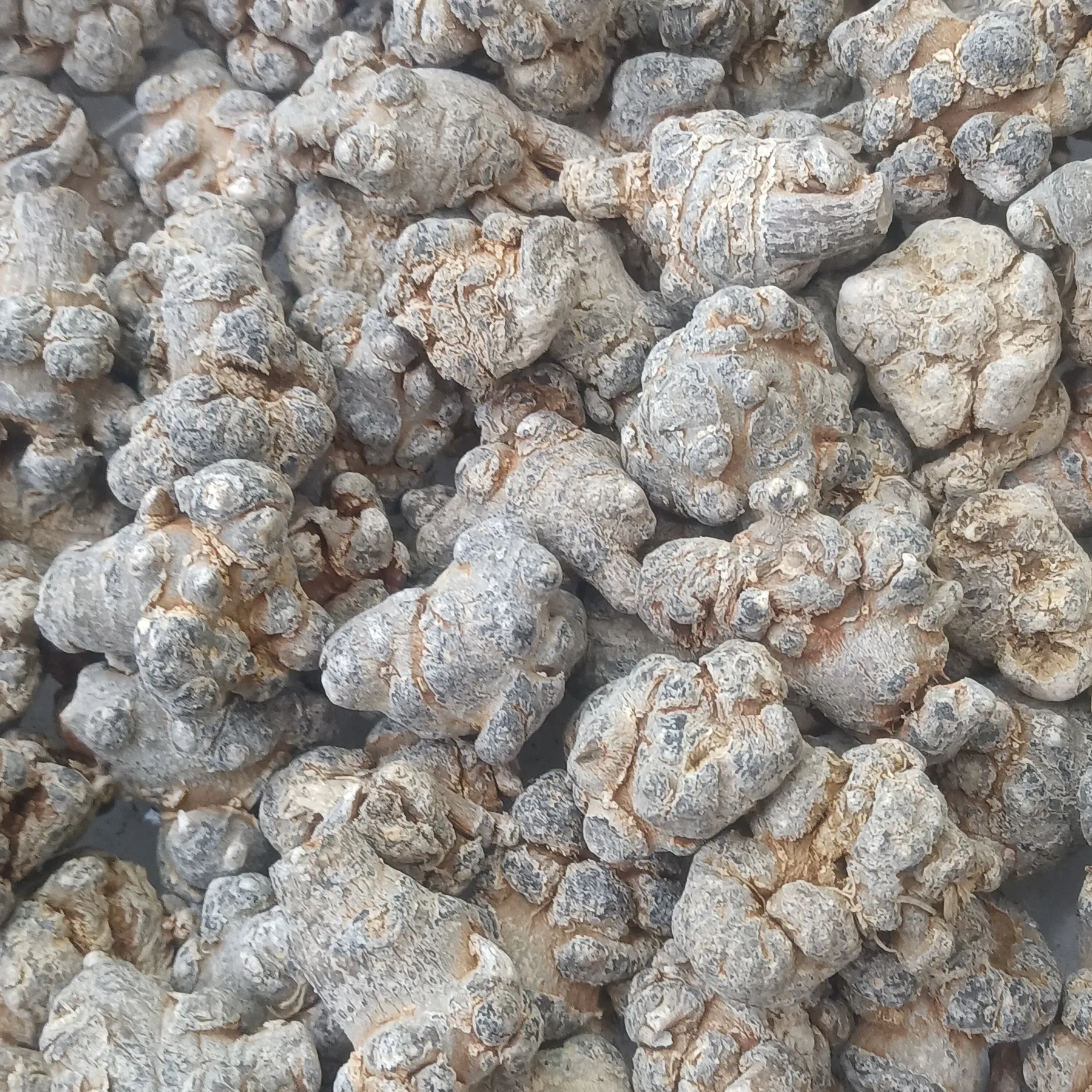
Whole roots are graded by tou, the number of dried main roots in 500 grams. Fewer roots per 500 grams means larger roots. The 2018 study sampled 20, 30, 40, 60, 80 and 120 tou grades, found notoginsenoside R1 and ginsenoside Rd higher in the large roots, and found that the contents of the major active constituents did not follow the market price (Yang 2018). A high head count carries the same species at a lower price.
Three Years in the Ground
The Hong Kong Chinese Materia Medica Standards describe the root as collected in autumn after three to four years of planting, before flowering (Hong Kong CMMS, Radix Notoginseng). A 2013 analysis of 47 samples found the combined content of notoginsenoside R1, ginsenoside Rg1 and ginsenoside Rb1 was 5.78 to 9.37 percent in three year old main roots and 2.99 to 7.13 percent in two year old roots, nearly a third of which fell below the 5 percent limit in the Chinese Pharmacopoeia; one year old roots and fibrous roots were far lower (Jia 2013). A label that says three years is telling you the root met that bar.
Raw or Steamed
Raw root (sheng sanqi) is the traditional form for bleeding and bruises; steamed root (shu sanqi) is the form for building blood after illness. Steaming lowers dencichine, the clotting compound, and converts the native saponins into rarer ones such as Rg3 and Rk1 (Zeng 2026). The full account is in raw vs steamed notoginseng.
Which Form the Trials Used
Whole root and slices let you see size, skin and cut face. The Hong Kong standard describes a main root 1 to 6 cm long, greyish brown or greyish yellow outside, heavy and hard, and notes that roots on the Hong Kong market have been coloured with coal smoke and polished with beeswax (Hong Kong CMMS).
The stroke, angina and platelet trials used a fourth form: a saponin extract. The 2023 trial of 2,966 people with ischemic stroke used Xuesaitong soft capsules, a prescription medicine in China, at 120 mg of saponins twice a day (Wu 2023). The two trials of plain root capsules were small: 29 untrained adults on 1,350 mg a day for 30 days (Liang 2005) and 52 men on 3 grams a day for 3 days (Liang 2012). Doses by form are in notoginseng dosage.
How to Read a Saponin Extract Label
A saponin extract label should state total saponins and name the three marker compounds. The Hong Kong standard assays notoginsenoside R1, ginsenoside Rg1 and ginsenoside Rb1 and sets minimums of 0.49, 2.0 and 1.7 percent in the dried root (Hong Kong CMMS). The Chinese Pharmacopoeia uses the same three markers with a combined limit of 5 percent (Jia 2013). A label that gives only "ginseng extract" without these names is not telling you what is inside.
Substitutes and Adulteration
Notoginseng is costly and in short supply. A 2018 review listed Panax japonicus and two of its varieties, sold as zhujieshen and zhuzishen, as related species that could stand in for notoginseng in bleeding, and named stringent growth requirements, pests, arsenic contamination and continuous cropping as the hurdles that keep supply tight (Yang 2018). A 2026 microscopy and HPLC study found two common adulterants, Codonopsis pilosula and Platycodon grandiflorus, held no ginsenosides at all, while every Panax sample did (Külkamp 2026).
Powder has its own problem. A 2026 study built a test for powder bulked with the plant's own fibrous roots, which carry far less saponin, and found a subset of 84 commercial powders with fibrous root profiles (Zhou 2026). Buy from a seller who names the species, the origin and the grade.
Continuous Cropping and Quality
Notoginseng exhausts its soil. A 2026 review of the three main Panax species described how repeated planting degrades the soil, builds up plant toxins and shifts soil microbes, giving stunted plants and more disease (Wang 2026). Growers answer with rotation, soil fumigation and forest understory plots. A 2026 comparison found understory roots held 109 mg of total saponins per gram against 91 mg in intensively farmed roots, though the intensive roots scored higher on the three pharmacopoeia markers (Liang 2026).
Yunnan Baiyao Is a Different Product
Yunnan Baiyao is a branded wound powder first sold in 1902 (Fruehauf 2014). A 2005 study in 37 rats compared the two on a tail cut: notoginseng powder shortened bleeding time by 29.7 percent and Yunnan Baiyao by 22.3 percent against placebo, with no difference between them (Fan 2005). Buying one is not buying the other.
What Users Report
Regular buyers say they keep raw powder for knocks and daily circulation and steamed slices for soup in recovery. Many say a seller who states the head count and the year is the one they return to.
Safety Notes
Talk with your doctor before taking notoginseng if you take warfarin, aspirin, clopidogrel or any blood thinner. Stop it before surgery. Avoid it in pregnancy and breastfeeding, where there are no trials. In the 2,966 person stroke trial, serious side effects on the saponin capsule were 1.0 percent against 1.1 percent on placebo (Wu 2023).
A label that reads Panax notoginseng, Wenshan, three years, raw or steamed, and a head count is a label you can check against every source on this page.
References
- Yang Z et al. 2018. Investigating chemical features of Panax notoginseng based on integrating HPLC fingerprinting and determination of multiconstituents by single reference standard. J Ginseng Res.
- Jia XH et al. 2013. Comparative studies of saponins in 1-3-year-old main roots, fibrous roots, and rhizomes of Panax notoginseng, and identification of different parts and growth-year samples. J Nat Med.
- Zeng X et al. 2026. Processing-driven chemical transformations and pharmacological shifts in Panax notoginseng. J Ethnopharmacol.
- Wu L et al. 2023. Efficacy and Safety of Panax notoginseng Saponins in the Treatment of Adults With Ischemic Stroke in China: A Randomized Clinical Trial. JAMA Netw Open.
- Liang MT et al. 2005. Panax notoginseng supplementation enhances physical performance during endurance exercise. J Strength Cond Res.
- Liang MTC et al. 2012. Effects of Panax notoginseng (Chinese ginseng) and acute exercise on postprandial glycemia in non-diabetic adults. J Complement Integr Med.
- Yang BR et al. 2018. Identification of certain Panax species to be potential substitutes for Panax notoginseng in hemostatic treatments. Pharmacol Res.
- Külkamp J et al. 2026. Microscopy Combined with LC-UV Analysis as a Tool for Authentication of Ginseng Species Used in Traditional Medicine and Detection of Their Adulterants. J Diet Suppl.
- Zhou H et al. 2026. A streamlined analytical strategy combining plant metabolomics and interpretable machine learning for detecting homologous adulteration in Panax notoginseng powder. J Pharm Biomed Anal.
- Wang E et al. 2026. Current obstacles for continuous cropping of Panax species and mitigation strategies. J Ginseng Res.
- Liang ZW et al. 2026. Metagenomics reveals an interaction among rhizosphere microbial community, soil properties and active ingredients in a medicinal crop Panax notoginseng. J Ginseng Res.
- Fan C et al. 2005. A comparision of the hemostatic effects of notoginseng and yun nan bai yao to placebo control. J Herb Pharmacother.
- Flora of China, Panax notoginseng: http://www.efloras.org/florataxon.aspx?flora_id=2&taxon_id=200015251
- China National Intellectual Property Administration, 2024, Wenshan Prefecture in SW China's Yunnan Makes Headway in Conservation of Endemic Herb: https://english.cnipa.gov.cn/art/2024/7/24/art_3090_193916.html
- Hong Kong Chinese Materia Medica Standards, Radix Notoginseng: https://www.cmro.gov.hk/hkcmms/vol1/pdf_e/Radix_Notoginseng_v1_e.pdf
- Fruehauf H, 2014, Sanqi (Panax notoginseng), Classical Chinese Medicine: https://classicalchinesemedicine.org/wp-content/uploads/2014/11/sanqi-single.pdf
Nothing here is medical advice. If you take prescription medication, talk with your doctor before adding notoginseng.