Notoginseng comes in three measures that do not convert into each other: grams of ground root, milligrams of saponin extract in a capsule, and hospital injections. The trials below give one dose for each goal they tested, and most ran for 1 to 3 months. Where a trial used a form you cannot buy, this page says so.
Three Forms, Three Measures
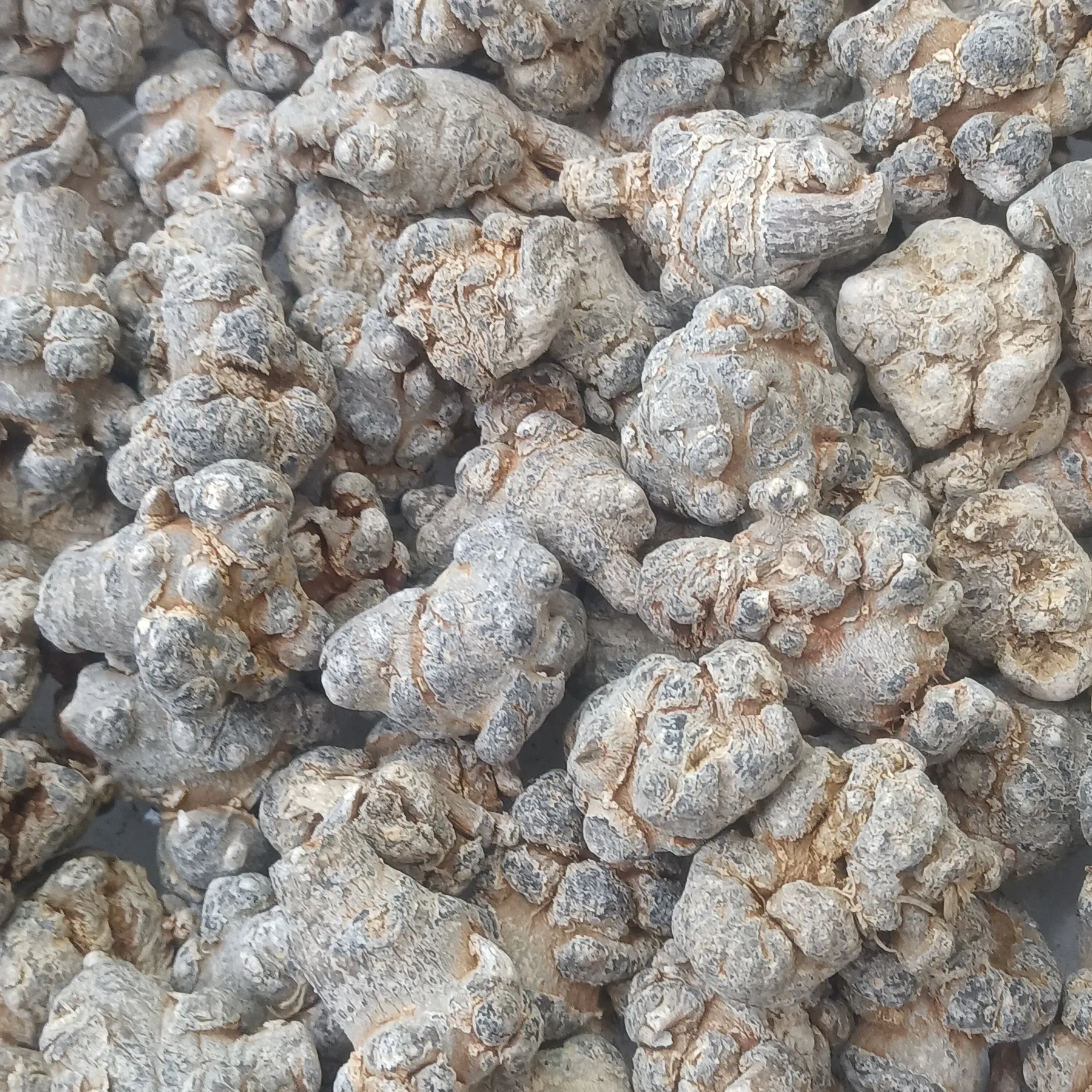
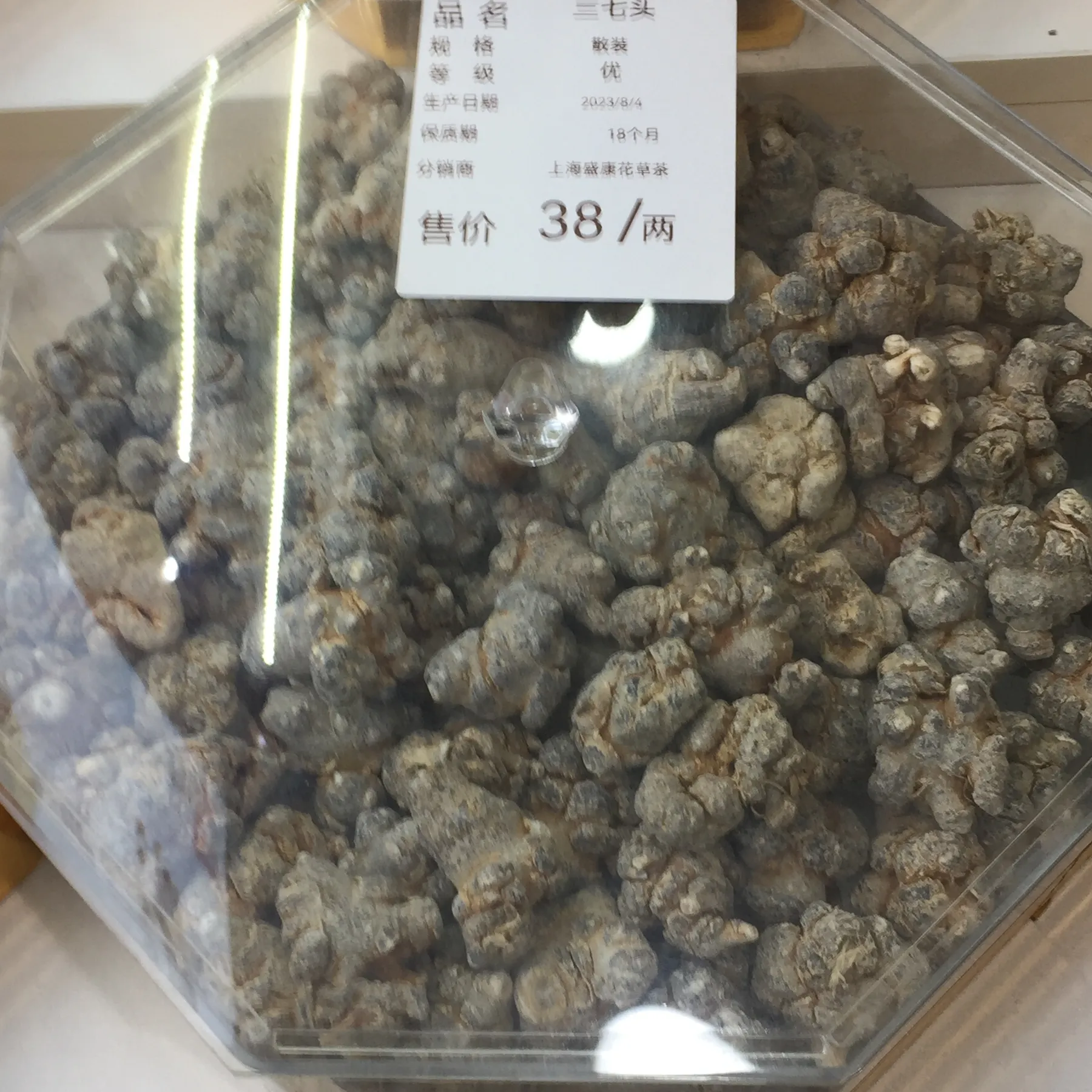
Raw root powder is the whole dried root, ground and sold by the gram. A saponin capsule such as Xuesaitong holds an extract of the root's active saponins, measured in milligrams. An injection puts the same saponins straight into a vein in hospital. Saponins swallowed by mouth are largely broken down in the digestive tract and poorly absorbed, which is why reviews describe them as having low bioavailability (Zeng 2026), and gut bacteria convert what remains into smaller compounds before they reach the blood (Mo 2025). An injection skips all of that. So 3 grams of powder, a 120 mg capsule and a hospital infusion are three different doses of three different things, and no study has worked out how to convert one into another.
For Stroke Recovery: 120 Mg of Saponins Twice a Day for 3 Months
The 2023 trial of 2,966 people used Xuesaitong soft capsules at 120 mg twice a day for 3 months, started within 14 days of an ischemic stroke and added to standard care (Wu 2023). A 2011 trial of 140 people in four hospitals used 200 mg of a different notoginseng extract capsule three times a day with 50 mg of aspirin, started within 30 days of the stroke (He 2011). The hospital trials, such as the 12 trials in 1,769 people pooled in a 2021 review, gave Xuesaitong injection into a vein on top of standard medicines (Feng 2021). None of these is a dose of raw powder, and the results are in notoginseng for heart health.
For Angina and Platelets: The Oral Saponin Products
A 2018 review of 17 trials of oral notoginseng saponins in unstable angina pooled Chinese saponin products added to standard medicines, and its abstract gives no single dose (Duan 2018). A 2021 trial of 42 people with stable coronary disease took notoginseng saponins with aspirin for 2 months (Wang 2021). Both used saponin extracts rather than powder, and the platelet results are in notoginseng for circulation.
For Endurance: 1,350 Mg a Day for 30 Days
A 2005 trial of 29 untrained adults aged 20 to 35 gave 1,350 mg of notoginseng a day in capsules, or starch capsules, for 30 days (Liang 2005). The notoginseng group rode more than 7 minutes longer before exhaustion, and their peak mean blood pressure during the ride fell from 113 to 109 mmHg. The abstract does not say whether the capsules held ground root or an extract.
For Muscle Soreness: 4,000 Mg Around Exercise
A 2013 trial of 20 well trained men gave 4,000 mg of notoginseng capsules, or placebo, before and after a downhill run designed to cause soreness (Pumpa 2013). The placebo group lost squat jump height straight after the run and had more quadriceps pain at 96 hours, and the notoginseng group did not. Two inflammation markers, interleukin 6 and TNF alpha, were lower in the placebo group at 24 hours, so the blood results did not all favour the herb.
For the Blood Sugar Rise After a Meal: 3 Grams a Day
A 2012 trial of 52 men without diabetes, aged 20 to 45, gave 3 grams of notoginseng a day for 3 days (Liang 2012). Blood sugar 30 minutes after a glucose drink was 26 mg/dL lower than on placebo, and the total rise over 90 minutes was lower too. This is the one trial that used a gram scale dose of the plant for this goal.
For Bleeding After Childbirth: The Saponin Capsule for 7 Days
A 2002 trial of 60 women gave Xuesaitong soft capsules or placebo for 7 days after delivery, in hospital (Liu 2002). Bleeding time shortened, and blood loss was lower at 30 minutes, 1 hour, 2 hours and 24 hours after delivery. The abstract does not give the capsule dose, and the trial is Chinese language and small.
The Traditional Powder Dose
Chinese medicine measures raw sanqi powder in grams. Practitioner references give 1 to 3 grams of powder per dose, up to three times a day, and 2 to 10 grams a day when the root is boiled as a decoction (American Dragon; TCM Wiki). Those ranges come from practice, and no trial has tested them for the heart, stroke or platelet outcomes above. The 3 grams a day in the blood sugar trial sits inside that range (Liang 2012).
How Long the Trials Ran
The blood sugar trial ran 3 days and the childbirth trial 7 days. The 2026 angina trial gave 59 people an injection for 10 days in hospital (Wang 2026). Endurance took 30 days, the aspirin trial 2 months and the stroke trial 3 months. A 2022 review of 17 capsule trials in 1,942 people after stroke found 4 and 8 weeks of treatment did more than 2 weeks (Gao 2022). Most trials ran 1 to 3 months.
When to Take It
The stroke trials started the capsule within 14 days (Wu 2023) or 30 days (He 2011) of the stroke, under hospital care. The soreness trial dosed before and after the exercise (Pumpa 2013), and the blood sugar trial dosed daily for the 3 days before the test (Liang 2012). Tradition takes raw powder in warm water for bruising and bleeding and steamed root in soup for recovery, and the two forms are set side by side in raw vs steamed notoginseng.
Safety Notes
Notoginseng calms platelets, so it adds to the effect of blood thinners. Talk with your doctor before taking notoginseng if you take warfarin, aspirin, clopidogrel or any blood thinner. Stop it before surgery. Avoid it in pregnancy and breastfeeding, where there are no trials. In the 2023 stroke trial, serious adverse events were 1.0 percent on the capsule and 1.1 percent on placebo (Wu 2023). The full list is in notoginseng side effects.
Buying by form and root grade is in how to choose notoginseng.
References
- Zeng X et al. 2026. Panax notoginseng saponins against ischemic stroke: From molecule to clinic. J Ethnopharmacol.
- Mo Y et al. 2025. Gut microbiota: A new key of understanding for Panax notoginseng against multiple disorders and biotransformation. J Ethnopharmacol.
- Wu L et al. 2023. Efficacy and Safety of Panax notoginseng Saponins in the Treatment of Adults With Ischemic Stroke in China: A Randomized Clinical Trial. JAMA Netw Open.
- He L et al. 2011. Radix/rhizoma notoginseng extract (sanchitongtshu) for ischemic stroke: a randomized controlled study. Phytomedicine.
- Feng L et al. 2021. The efficacy and safety of Xuesaitong injection combined with western medicines in the treatment of ischemic stroke: an updated systematic review and meta-analysis. Ann Palliat Med.
- Duan L et al. 2018. Efficacy and safety of oral Panax notoginseng saponins for unstable angina patients: A meta-analysis and systematic review. Phytomedicine.
- Wang W et al. 2021. Combination of Panax notoginseng saponins and aspirin potentiates platelet inhibition with alleviated gastric injury via modulating arachidonic acid metabolism. Biomed Pharmacother.
- Liang MT et al. 2005. Panax notoginseng supplementation enhances physical performance during endurance exercise. J Strength Cond Res.
- Pumpa KL et al. 2013. The effects of Panax notoginseng on delayed onset muscle soreness and muscle damage in well-trained males: a double blind randomised controlled trial. Complement Ther Med.
- Liang MTC et al. 2012. Effects of Panax notoginseng (Chinese ginseng) and acute exercise on postprandial glycemia in non-diabetic adults. J Complement Integr Med.
- Liu DY et al. 2002. Clinical observation on treatment of postpartum hemorrhage by xuesaitong soft capsule. Zhongguo Zhong Xi Yi Jie He Za Zhi.
- Wang YX et al. 2026. Efficacy of Xueshuantong Injection in Reducing Residual Inflammatory Risk in Unstable Angina Patients: A Randomized Double-Blind Controlled Trial. Chin J Integr Med.
- Gao Y et al. 2022. The efficacy and safety of the Xuesaitong soft capsule in the treatment of patients with ischemic stroke: systematic review and meta-analysis. Ann Palliat Med.
Nothing here is medical advice. If you take prescription medication, talk with your doctor before adding notoginseng.