Notoginseng, called sanqi in China, has the deepest trial record in heart and stroke medicine of the three Panax species. Nearly all of it comes from Chinese hospitals, where the root is given as a saponin extract sold as Xuesaitong or Xueshuantong, in capsules or as an injection into a vein. Every trial on this page added that extract to standard care. The results below are sorted by condition and by form.
Two Forms, and the Difference Matters
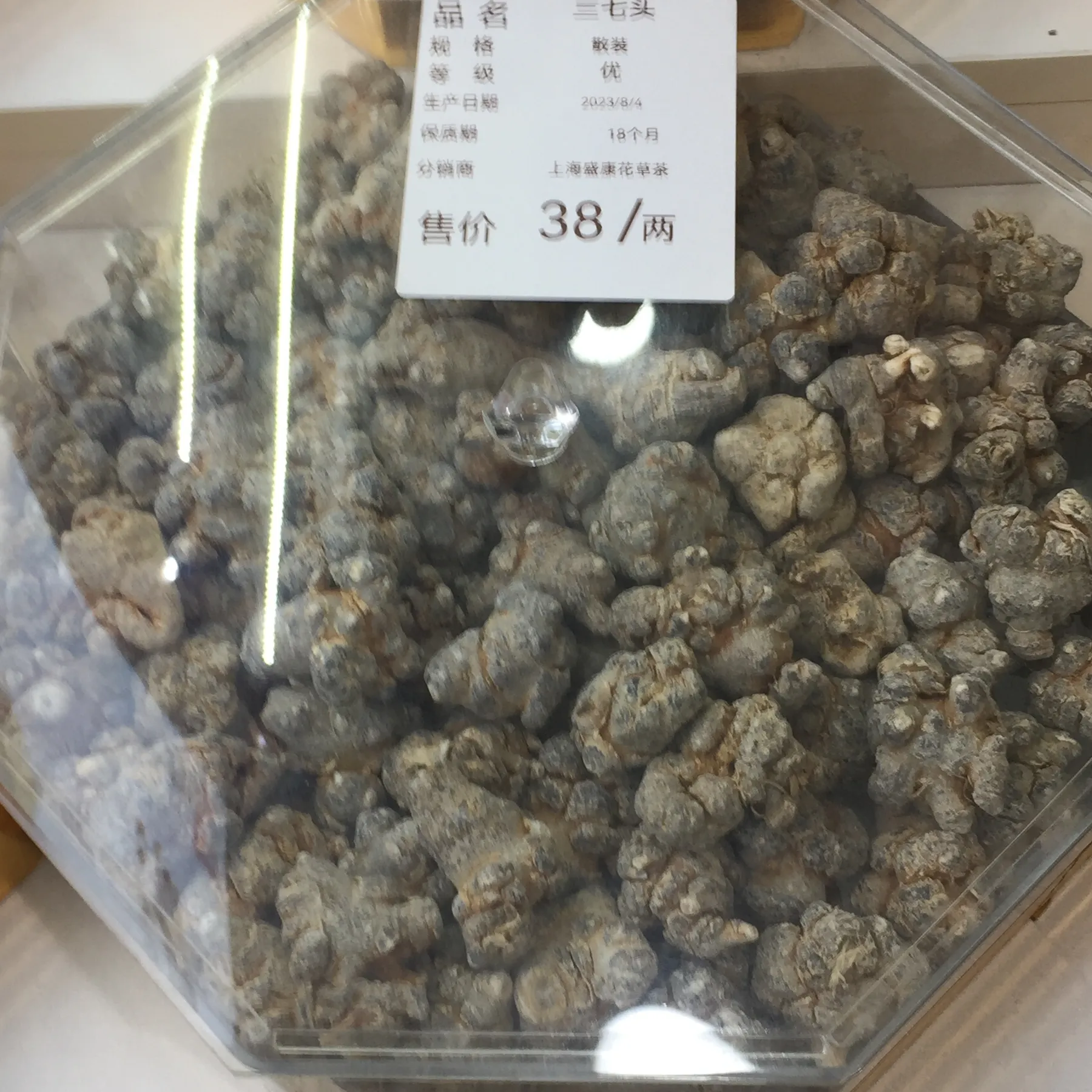
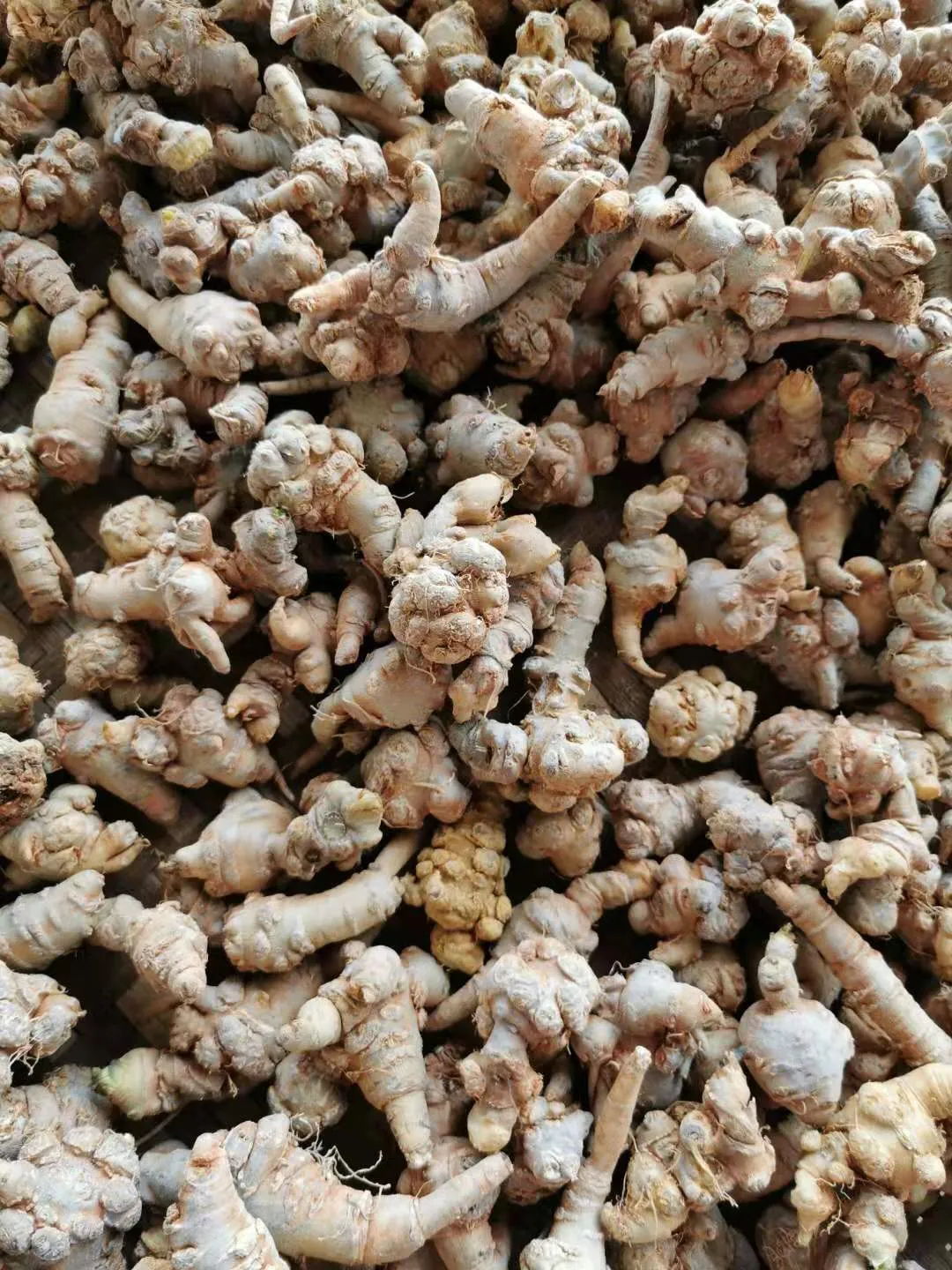
The capsule trials used saponin extracts taken by mouth for weeks or months. The injection trials used Xuesaitong or Xueshuantong injections given in hospital over days. A shelf powder or capsule of ground root is a third thing: it holds the whole root, measured in grams, and no heart or stroke trial has tested it for the outcomes below. The forms are compared in raw vs steamed notoginseng.
It Eases Angina Attacks in the Oral Trials
A 2018 review of 17 trials of oral notoginseng saponins in people with unstable angina found fewer and shorter angina attacks, less nitroglycerin use, better electrocardiograms and better blood lipids (Duan 2018). Nine of the 17 trials reported side effects, and the authors called the oral saponins safe so far; the review gives no pooled count of people.
A 2013 review of 17 trials in 1,747 people with coronary heart disease looked at oral preparations added to usual treatment (Shang 2013). They improved angina symptoms in 7 trials of 791 people, improved the electrocardiogram in 8 trials of 727 people, and cut nitroglycerin use in 2 trials of 212 people. They did not cut heart attacks, deaths or other cardiovascular events, and the authors noted small trials with a risk of bias.
The Injection Trials Point the Same Way
A 2017 review of 18 trials in 1,828 people with unstable angina found fewer cardiovascular events, fewer attacks, eased symptoms and better electrocardiograms (Song 2017). Sixteen of the 18 trials used hospital injections, and the reporting was generally poor. Cardiac deaths and attack length did not change.
A 2026 trial at two Beijing hospitals gave 59 people with unstable angina 10 days of Xueshuantong injection into a vein, at 500 mg or 25 mg a day, on top of standard therapy (Wang 2026). The high dose lowered C reactive protein, a blood marker of inflammation, and improved the angina class, with no serious adverse events. The comparison was a low dose of the same injection rather than a placebo.
After a Heart Attack the Injection Helped the Heart Pump
A 2021 review of 5 trials in 539 people found Xuesaitong injection added to conventional treatment after a heart attack raised the ejection fraction, the share of blood the heart pushes out with each beat, by about 3 points (Hua 2021). Troponin T and creatine kinase MB, two markers of heart muscle damage, were lower, and so were two inflammation markers. All five trials used the hospital injection, and the authors rated their quality as relatively low. No trial has tested a powder or capsule for recovery after a heart attack.
A capsule trial is running: 300 people treated with a stent after a heart attack will take Compound Xueshuantong Capsule, an oral notoginseng formula, or placebo for 3 months on top of standard medicines, with heart failure over 6 months as the main outcome (Yang 2022). The protocol is published and the results are not.
It Helps Recovery After an Ischemic Stroke
Stroke has the strongest trial, and it used a capsule. A 2023 trial at 67 Chinese hospitals randomised 3,072 adults aged 18 to 75, within 14 days of an ischemic stroke, to Xuesaitong soft capsules at 120 mg twice a day or a matching placebo for 3 months, on top of standard stroke care (Wu 2023). Among the 2,966 people analysed, 89.3 percent on the capsule were living independently at 3 months against 82.4 percent on placebo. Serious adverse events were 1.0 percent on the capsule and 1.1 percent on placebo.
Two 2022 reviews of the oral forms agree. One pooled 17 trials in 1,942 people on the same soft capsule and found better stroke severity and daily living scores, with 4 and 8 weeks of treatment doing more than 2 weeks (Gao 2022). The other pooled 8 trials in 827 people on oral Xuesaitong and found stroke scores about 3 points lower on the 42 point NIHSS scale, with no serious adverse reactions; it rated its evidence very low in certainty and noted that every trial was Chinese (Geng 2022).
A 2026 network meta-analysis of 50 trials in 18,424 people compared saponin products with seven antiplatelet drugs (Zhang 2026). Saponins plus aspirin, started within 14 days of the stroke, left more people independent at 90 days than aspirin alone or clopidogrel plus aspirin, with no difference in adverse events. Its abstract pools capsules and injections as one group.
A 2011 trial of 140 people in four hospitals paired 200 mg of a notoginseng extract capsule three times a day with 50 mg of aspirin, against aspirin and placebo, within 30 days of a stroke (He 2011). The capsule group scored better on a neurological scale and on daily living, and side effects were mild and equal in both groups.
What This Means If You Have a Heart History
Every result above came on top of standard care under a doctor's follow up. If you have angina, a past heart attack or a past stroke, you already have a cardiologist and a medicine list, and notoginseng belongs in that conversation. Take this page with you, ask whether a saponin capsule fits your plan, and say so if you want the raw root instead, since the heart trials did not test it. Doses by form are in notoginseng dosage and the platelet trials are in notoginseng for circulation.
What Users Report
People with a heart history who take notoginseng often report taking it as an add on their cardiologist knows about. Many say they feel no day to day change and judge it by blood tests. Some report bruising more easily when they take it with aspirin. These are reports, not study findings.
Safety Notes
Notoginseng calms platelets, so it adds to the effect of blood thinners. Talk with your doctor before taking notoginseng if you take warfarin, aspirin, clopidogrel or any blood thinner. Stop it before surgery. Avoid it in pregnancy and breastfeeding, where there are no trials. The full list is in notoginseng side effects.
The complete set of trials by benefit is in notoginseng benefits.
References
- Duan L et al. 2018. Efficacy and safety of oral Panax notoginseng saponins for unstable angina patients: A meta-analysis and systematic review. Phytomedicine.
- Shang Q et al. 2013. Oral Panax notoginseng Preparation for Coronary Heart Disease: A Systematic Review of Randomized Controlled Trials. Evid Based Complement Alternat Med.
- Song H et al. 2017. Panax notoginseng Preparations for Unstable Angina Pectoris: A Systematic Review and Meta-Analysis. Phytother Res.
- Wang YX et al. 2026. Efficacy of Xueshuantong Injection in Reducing Residual Inflammatory Risk in Unstable Angina Patients: A Randomized Double-Blind Controlled Trial. Chin J Integr Med.
- Hua Y et al. 2021. Xuesaitong injection treating acute myocardial infarction: A systematic review and meta-analysis. Medicine (Baltimore).
- Yang XD et al. 2022. Intervention of Compound Xueshuantong Capsule on the incidence of heart failure in patients with acute myocardial infarction after PCI based on the combination of disease and syndrome: A multi-center, randomized, double-blind, controlled trial. Medicine (Baltimore).
- Wu L et al. 2023. Efficacy and Safety of Panax notoginseng Saponins in the Treatment of Adults With Ischemic Stroke in China: A Randomized Clinical Trial. JAMA Netw Open.
- Gao Y et al. 2022. The efficacy and safety of the Xuesaitong soft capsule in the treatment of patients with ischemic stroke: systematic review and meta-analysis. Ann Palliat Med.
- Geng H et al. 2022. Xuesaitong oral preparation as adjuvant therapy for treating acute cerebral infarction: A systematic review and meta-analysis of randomized controlled trials. J Ethnopharmacol.
- Zhang H et al. 2026. Comparative effectiveness of Panax notoginseng saponins-related agents and antiplatelet agents in ischemic stroke: A systematic review and network meta-analysis. J Ethnopharmacol.
- He L et al. 2011. Radix/rhizoma notoginseng extract (sanchitongtshu) for ischemic stroke: a randomized controlled study. Phytomedicine.
Nothing here is medical advice. If you take prescription medication, talk with your doctor before adding notoginseng.