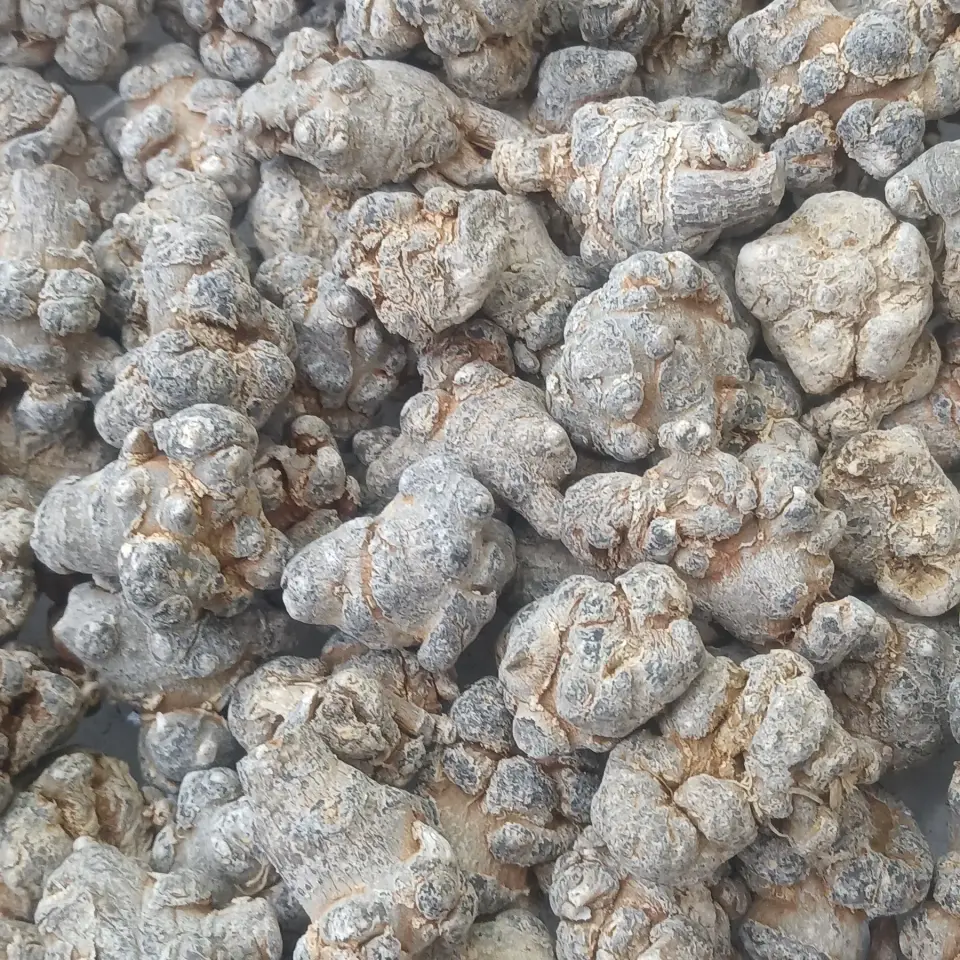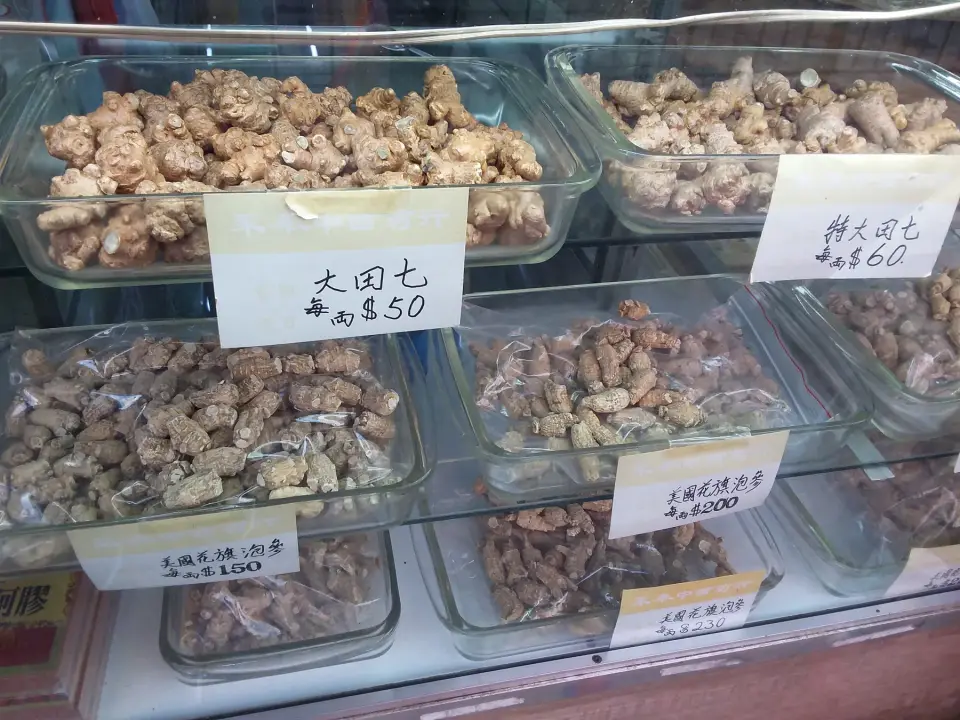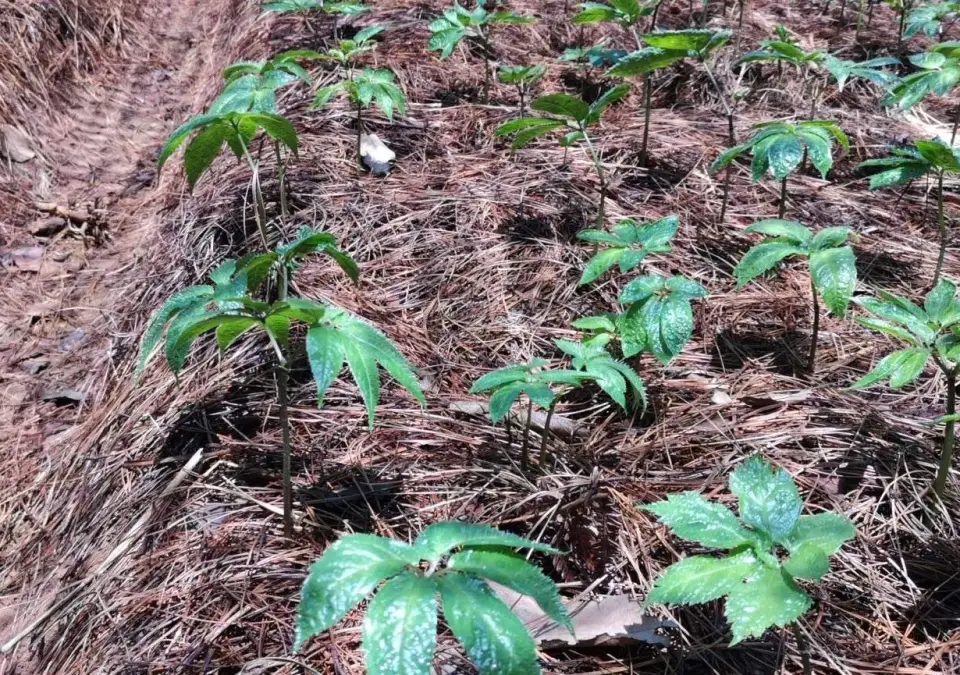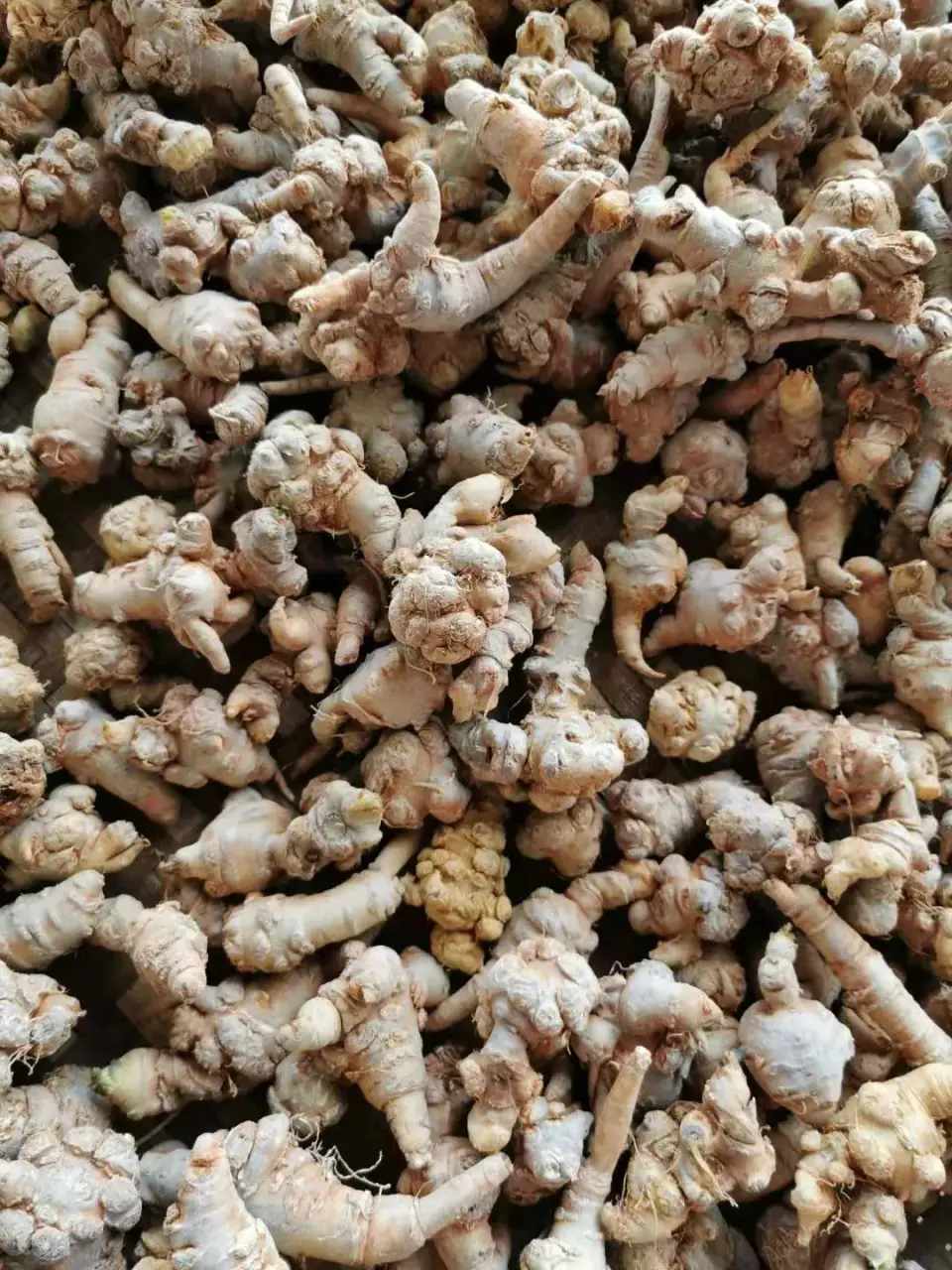
Panax notoginseng is a root used for centuries to support blood flow and recovery. You can take this root to improve circulation, manage blood lipids, and accelerate the healing of bruises. Timing your intake based on your specific health goals ensures you maximize the strength of this traditional species.
Take It for Heart and Circulation Support
You can take notoginseng daily to support your cardiovascular system. A 2023 randomized clinical trial of 2,966 patients with ischemic stroke found that Xuesaitong soft capsules significantly increased the likelihood of functional independence at 3 months (Zhang 2023). This result supports the use of the root for neurological recovery.
You can also use it to manage blood lipids. This makes it a useful choice for notoginseng for cholesterol.
You can use notoginseng to support the heart after acute coronary syndrome. A registered trial of 50 patients after PCI evaluated the platelet function and clinical efficacy of Xuesaitong soft capsule over 4 weeks (NCT06618495). This application focuses on the use of Panax notoginseng saponins to improve prognosis. Such targeted use supports the long term strength of the cardiovascular system.
Take It for Recovery from Bruises and Bleeding
The root has been used for centuries to stop bleeding and clear blood stasis. In a randomized trial of 60 pregnant women, Xuesaitong soft capsules significantly shortened bleeding time and reduced the amount of postpartum hemorrhage (Liu 2002). This demonstrates the root's ability to manage acute bleeding.
For internal recovery, it helps the body absorb hematomas. A 2012 study of 63 patients with acute intracerebral hemorrhage found that Xueshuantong Injection significantly decreased hematoma volume and NIHSS scores (Gao 2012). This result shows the root's strength in accelerating the absorption of blood clots.
You can use it to improve overall nerve function after a stroke. A study of 140 elderly patients with acute cerebral infarction found that combining Xuesaitong with other injections significantly improved cerebral blood flow and platelet adhesion rates (Huang 2014). This supports the use of the root for notoginseng for bruises and bleeding.
The root is a strength for those recovering from severe internal bleeding. In a randomized trial of 60 pregnant women, the Xuesaitong group showed better involution of the uterus at 2, 4, and 7 days after delivery compared to the placebo group (Liu 2002). It also reduced lochia and accelerated the recovery of parturients. This record of use confirms its power to restore the body after blood loss.
Take It to Enhance Physical Endurance
You can take notoginseng before exercise to improve your aerobic capacity. A 2005 randomized trial of 29 untrained adults found that a daily dose of 1,350 mg for 30 days improved endurance time to exhaustion (Liang 2005). This allows you to perform physical activity for longer periods.
The root also helps manage the stress your body feels during exertion. The same study found that 1,350 mg per day lowered maximal mean blood pressure and VO2 during endurance cycle exercise (Liang 2005). This makes the root a strength for those seeking better physical performance.
Taking it during a training cycle can support your cardiovascular efficiency. By lowering the oxygen cost of exercise, the root helps you maintain a steady pace.
You can take the root to maintain a lower heart rate and oxygen demand during hard work. A 2005 study of 29 adults found that 1,350 mg per day of Panax notoginseng for 30 days lowered Vo2 at the 24th minute of endurance cycle exercise (Liang 2005). This allows the heart to work more efficiently. It is a proven way to increase your physical stamina.
Take It for Liver and Organ Recovery
Notoginseng supports the recovery of organ function after injury. A randomized trial of 64 patients with post-hepatitis fibrosis found that Xuesaitong soft capsules significantly lowered levels of serum procollagen III and hyaluronic acid (Deng 2005). This indicates an anti-liver fibrosis function.
The root helps recover liver dysfunction through its circulation-promoting properties. By improving blood flow to the liver, it supports the removal of toxins and the repair of tissues.
You can take it as part of a long-term recovery plan for internal health. Its ability to reduce fibrosis helps maintain the elasticity and function of vital organs. This provides a foundation for better overall health.
Notoginseng helps the liver recover by reducing specific markers of damage. A randomized trial of 64 patients with post-hepatitis fibrosis found that Xuesaitong soft capsules significantly lowered levels of collagen IV and laminin (Deng 2005). This action helps reverse the effects of fibrosis. It ensures the liver can return to its healthy function.
Take It for Specialized Circulation Needs
The root is effective for improving circulation in the eyes. A 2020 randomized trial of 38 patients with exudative age-related macular degeneration found that daily oral supplementation of fufang xueshuantong capsule significantly increased the reduction of CNV-PED complex thickness (Pan 2020). This resulted in greater improvement in visual acuity.
It also supports the recovery of the brain after an ischemic event. A study of 68 cases of ischemic cerebral infarction found that the use of notoginseng-based treatments helped regulate apolipoprotein metabolism (Min 2002). This supports the root's role in protecting neurological function.
You can use it to maintain a healthy flow of blood to the extremities. By reducing blood viscosity, the root ensures that oxygen and nutrients reach your tissues. This is a core benefit of notoginseng for circulation.
The root is effective for reducing inflammation in the brain after a hemorrhage. A 2012 study of 63 patients with acute ICH found that Xueshuantong Injection significantly reduced leukocytes, neutrophil percentage, and C-reactive protein values (Gao 2012). This reduction in inflammatory factors supports a faster neurological recovery. It is a strength for those needing deep tissue healing.
Choose Between Raw and Steamed Forms
You can choose between raw and steamed root based on your specific needs. Raw notoginseng is traditionally used to stop bleeding and reduce swelling, which is a strength for acute injuries. You can learn more in our guide on raw vs steamed notoginseng.
Steamed notoginseng is often preferred for long-term circulation support and heart health. The steaming process modifies the saponins to better support the removal of blood stasis. This makes it a preferred choice for chronic heart conditions.
Regardless of the form, the quality must meet strict standards. The Hong Kong Chinese Materia Medica Standards provide the identity and quality benchmarks for Radix Notoginseng (Hong Kong Chinese Materia Medica Standards). This ensures you receive a potent and pure product.
Follow a Consistent Dosage for Best Results
Consistency is key when taking notoginseng for heart health.
The root is well tolerated even at high doses. A phase I dose escalation study of 84 healthy volunteers found that doses up to 2,160 mg twice daily for 14 days were well tolerated (Gou 2019). This confirms the safety and tolerability of the species.
For those focusing on endurance, a daily dose of 1,350 mg has been shown to improve physical performance (Liang 2005). You can find more details on how to time your intake in our notoginseng dosage guide.
The long-term use of notoginseng provides a reliable way to support your heart and circulation. By taking it at the right time and in the right form, you leverage centuries of traditional wisdom and modern evidence. This root remains a powerful tool for recovery and cardiovascular strength.
You can trust the tolerability of this root even during high dose escalation. A 2019 study of 84 healthy volunteers found that single doses of up to 5760 mg of the DQTM tablet were well tolerated (Gou 2019). No serious adverse events or clinically significant changes in vital signs were observed. This high level of tolerability supports your ability to maintain a consistent and effective regimen.
References
- Zhang et al. 2023. Efficacy and Safety of Panax notoginseng Saponins in the Treatment of Adults With Ischemic Stroke in China: A Randomized Clinical Trial. JAMA Network Open.
- Liu et al. 2002. [Clinical observation on treatment of postpartum hemorrhage by xuesaitong soft capsule]. Zhongguo Zhong Xi Yi Jie He Za Zhi.
- Gao et al. 2012. Improvement of hematoma absorption and neurological function in patients with acute intracerebral hemorrhage treated with Xueshuantong. J Neurol Sci.
- Huang et al. 2014. [Clinical analysis of acute cerebral infarction by Dengzhanhua injection and Xiongqin injection combined with Xuesaitong treatment]. Zhong Yao Cai.
- Deng et al. 2005. Clinical observation of the effect of Xuesaitong soft capsule on post-hepatitis fibrosis. Chin J Integr Med.
- Liang et al. 2005. Panax notoginseng supplementation enhances physical performance during endurance exercise. J Strength Cond Res.
- Pan et al. 2020. Ranibizumab plus fufang xueshuantong capsule versus ranibizumab alone for exudative age-related macular degeneration. J Int Med Res.
- Min et al. 2002. [Clinical study on effect and therapeutical mechanism of composite Salvia injection on acute cerebral infarction]. Zhongguo Zhong Xi Yi Jie He Za Zhi.
- Gou et al. 2019. Randomized, double-blind, placebo-controlled phase I dose escalation study of Dan Qi Tong Mai tablet in healthy volunteers. BMC Complement Altern Med.
- Hong Kong Chinese Materia Medica Standards. Hong Kong Chinese Materia Medica Standards, Volume 1: Radix Notoginseng.
- NCT06618495. Clinical Study and Molecular Mechanism of Xuesaitong Soft Capsule in the Treatment of Acute Coronary Syndrome. ClinicalTrials.gov.
Nothing here is medical advice, and anyone on prescription medication can mention notoginseng to a doctor while enjoying a root people have trusted for centuries.