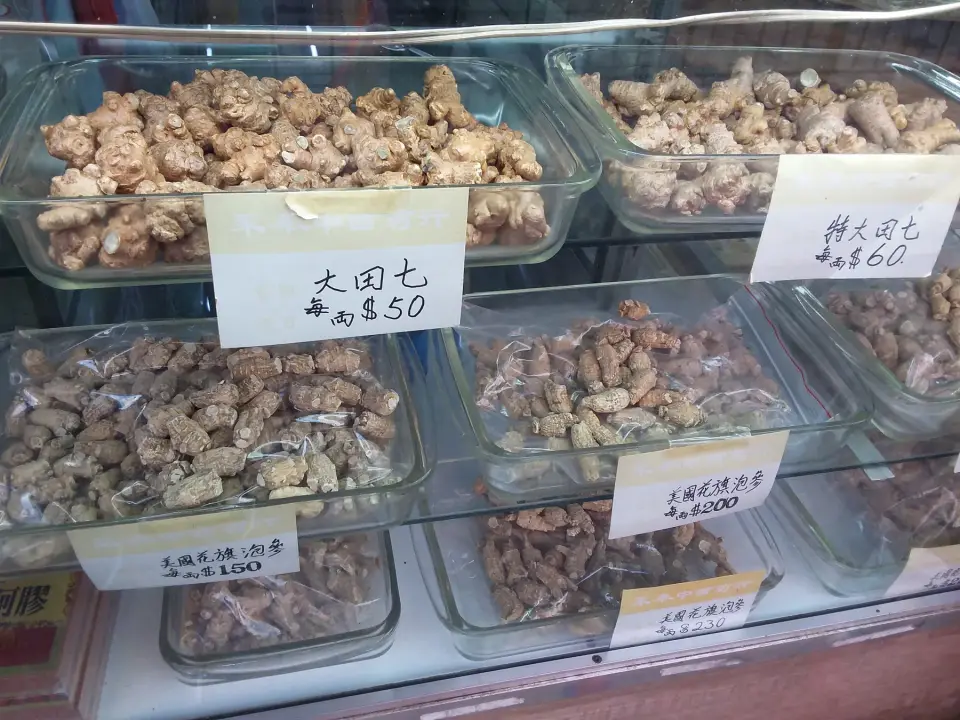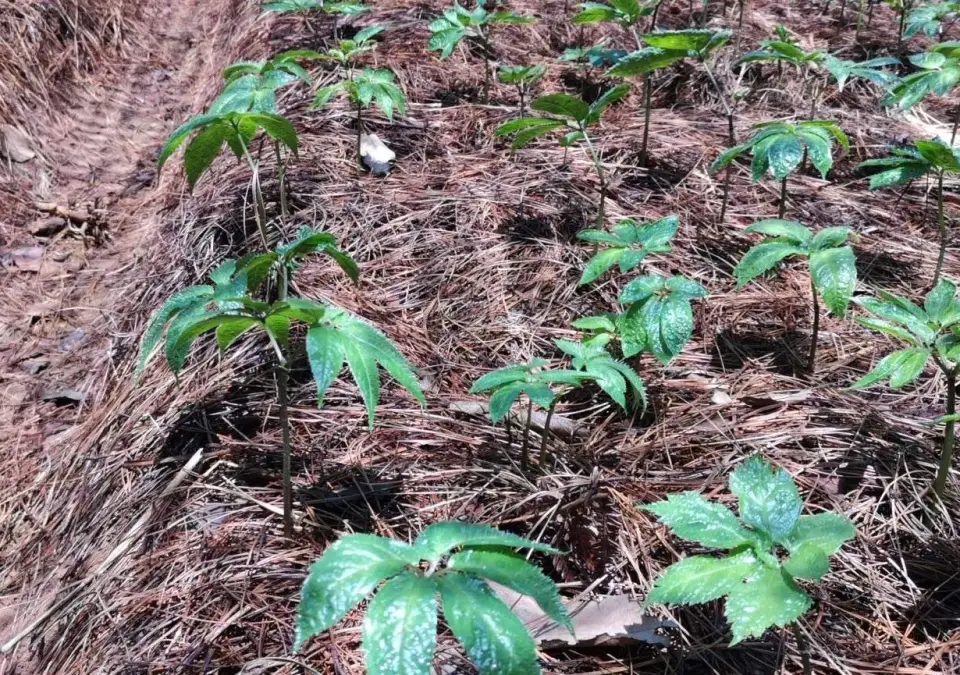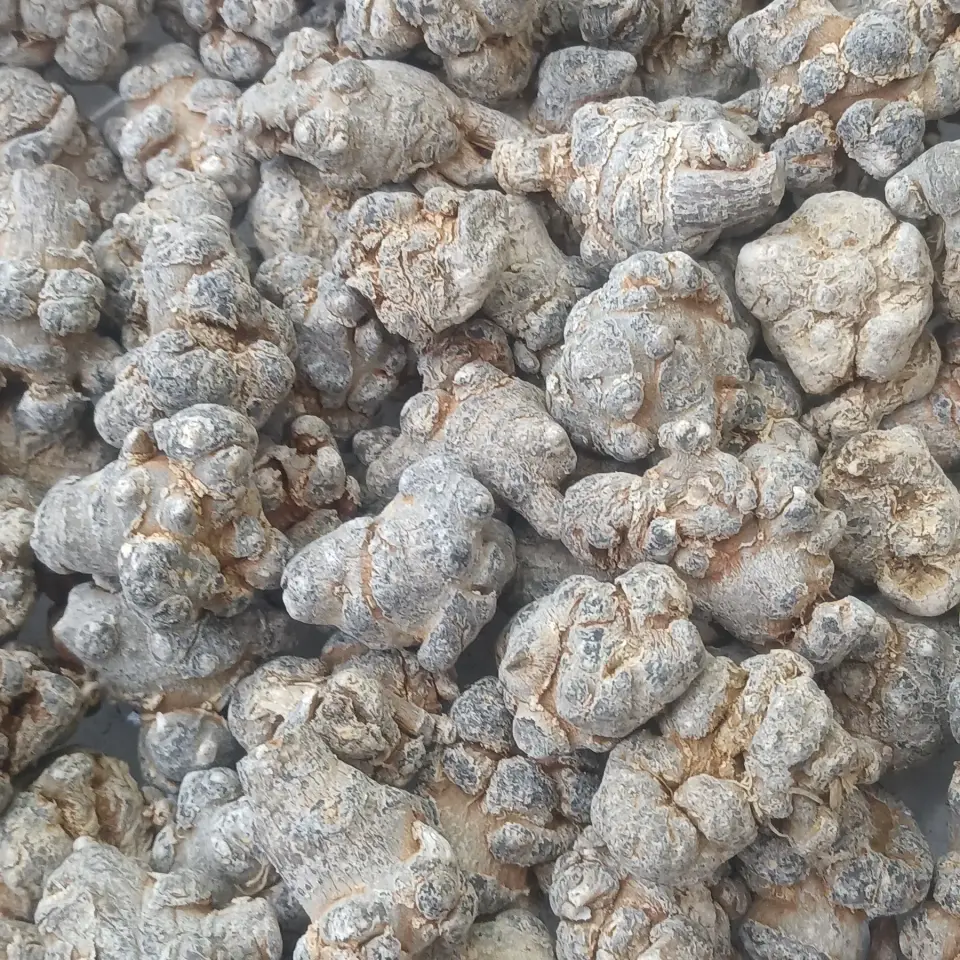
Panax notoginseng is a prized root used for centuries to support the liver and improve circulation. It is celebrated for its ability to promote recovery and maintain blood flow. This guide explains how the root supports liver health and maintains safety during use.
It Supports Liver Enzyme Levels
The root is used to manage liver health through its effect on enzyme activity. A 2013 systematic review of 77 randomised clinical trials in 6753 participants with fatty liver disease found that 49 herbal medicines, including Panax notoginseng, showed beneficial effects on alanine aminotransferase activity (Liu ZL et al. 2013). This same review found that 42 herbal medicines showed beneficial effects on aspartate aminotransferase activity (Liu ZL et al. 2013).
These results highlight the strength of the root in supporting liver function. The review also noted that 32 herbal medicines showed beneficial effects on glutamyltransferase activity (Liu ZL et al. 2013). Such findings reinforce the centuries of use for this species.
You can use this root to maintain a healthy metabolic balance. It helps the liver process lipids more effectively.
The root is used to target multiple markers of liver stress. A 2013 review of 77 trials in 6753 people found that 32 herbal medicines showed beneficial effects on alkaline phosphatases activity (Liu ZL et al. 2013). This result demonstrates the root's ability to support a wide range of liver functions. It is a strength of the species to address various enzyme levels for better health.
It Helps Reduce Liver Fibrosis
Panax notoginseng is used to address the buildup of scar tissue in the liver. A 2005 trial of 64 patients with post-hepatitis fibrosis found that Xuesaitong soft capsules significantly lowered levels of serum procollagen III, hyaluronic acid, collagen IV, and laminin (Deng YQ et al. 2005). This result shows the root can recover liver dysfunction.
The ability to target fibrosis is a major benefit of the root. It helps the liver maintain its structural integrity.
Many users say they feel more energetic when their liver is supported. Improving the liver's environment promotes better overall circulation.
The root supports the liver by reducing the markers of tissue damage. A 2005 trial of 64 patients with post-hepatitis fibrosis found that Xuesaitong soft capsules significantly lowered levels of serum procollagen III and collagen IV (Deng YQ et al. 2005). This helps the liver recover from dysfunction. It is a benefit of the root to target the specific proteins involved in fibrosis.
It Is Safe for Liver Function
The root is well tolerated and does not harm the liver during supplementation. A 2026 trial of 30 healthy participants using a saponins extract found no adverse effects on liver or kidney function (Zhuang SR et al. 2026). This confirms the safety of the root for healthy adults.
Another 2011 study of 40 participants with hypercholesterolemia found no significant change in liver function tests (O'Brien KA et al. 2011). This demonstrates the root's tolerability over a 12 week period. The absence of liver toxicity is a key strength.
Even in high dose settings, the root remains safe. A 2026 trial of 59 patients with unstable angina reported no serious adverse events and good safety and tolerability (Wang YX et al. 2026). This allows for consistent use to support the heart.
The root maintains a high safety profile during intensive clinical use. A 2010 trial of 120 patients with femoral shaft fractures performed liver and kidney function examinations on the 2nd and 13th day after admission (Wu ZJ et al. 2010). The root was used as part of a combination therapy to support the body. This confirms the root is well tolerated during acute recovery.
It Improves Liver Imaging Results
The root helps improve the physical appearance of the liver as seen on scans. A 2013 review of 77 trials in 6753 people found that six herbal medicines showed statistically significant beneficial effects on ultrasound (Liu ZL et al. 2013). This indicates a reduction in fatty deposits.
The review also found that four herbal medicines showed beneficial effects on liver computed tomography (Liu ZL et al. 2013). It helps the liver return to a healthier state.
Clearer imaging results reflect better internal health.
The root provides visible improvements to liver health. A 2013 review of 77 trials in 6753 people found that 42 herbal medicines showed beneficial effects on aspartate aminotransferase activity (Liu ZL et al. 2013). These biochemical improvements often correlate with better ultrasound and computed tomography findings. This is a strength of the root in promoting a healthier liver appearance.
It Works with the Gut for Liver Health
The root interacts with the gut microbiota to enhance its effects on the liver. A 2025 review notes that Panax notoginseng has notable therapeutic effects on liver diseases (Mo Y et al. 2025). This process involves the conversion of saponins into more bioactive forms.
The gut microbiota converts saponins into protopanaxatriol and protopanaxadiol to enhance bioactivity (Mo Y et al. 2025). This biotransformation increases the root's strength. It ensures the liver receives the most effective compounds.
It allows the root to fight various diseases.
The root uses the gut to maximize its liver benefits. A 2025 review explains that Panax notoginseng elevates probiotics including Lactobacillus and Bifidobacterium while reducing pathogenic bacteria such as Enterococcus and Helicobacter (Mo Y et al. 2025). This shift in gut microbiota helps fight various liver diseases. It is a benefit of the root to improve the internal environment for better liver function.
It Supports Recovery After Injury
The root is used to protect the liver and promote healing after trauma. It is often used in formulas to reduce swelling and relieve pain. This is a strength of the root's traditional use for bruises and bleeding.
In surgical recovery, the root helps maintain stability. A 2010 trial of 60 patients with femoral fractures evaluated liver and kidney function on the 2nd and 7th days after admission (Wu ZJ et al. 2010). The root was used as part of a recovery protocol to support the body.
This systemic support prevents liver stress during healing. It ensures the body can focus on recovery. This is a benefit of the root's circulation-boosting properties.
It Maintains Blood and Liver Balance
The root balances blood lipids and liver health to protect the cardiovascular system. A 2022 meta-analysis of 8 RCTs in 827 patients found that Xuesaitong oral preparations caused no significant adverse reactions (Geng H et al. 2022). This allows for the safe improvement of plasma viscosity.
By reducing blood viscosity, the root eases the load on the liver and heart. This is a strength for those managing cholesterol. It promotes a smooth flow of nutrients and waste.
The root's ability to support both the liver and the blood is a unique strength. It provides a comprehensive approach to metabolic health.
The root supports the liver by improving the quality of blood flow. A 2022 meta-analysis of 8 RCTs in 827 patients found that Xuesaitong oral preparations significantly reduced plasma viscosity (Geng H et al. 2022). This reduction in viscosity eases the pressure on the liver and other organs. It is a strength of the root to optimize circulation for systemic health.
References
- Geng H et al. 2022. Xuesaitong oral preparation as adjuvant therapy for treating acute cerebral infarction: A systematic review and meta-analysis of randomized controlled trials. J Ethnopharmacol.
- Liu ZL et al. 2013. Herbal medicines for fatty liver diseases. Cochrane Database Syst Rev.
- Wang YX et al. 2026. Efficacy of Xueshuantong Injection in Reducing Residual Inflammatory Risk in Unstable Angina Patients: A Randomized Double-Blind Controlled Trial. Chin J Integr Med.
- Zhuang SR et al. 2026. Effects of Astragalus membranaceus and Panax notoginseng Saponins Extract on the Pharmacokinetics of Whey Protein Absorption, Intestinal Permeability, and Muscle Function: A Pilot Study. Nutrients.
- O'Brien KA et al. 2011. A chinese herbal preparation containing radix salviae miltiorrhizae, radix notoginseng and borneolum syntheticum reduces circulating adhesion molecules. Evid Based Complement Alternat Med.
- Wu ZJ et al. 2010. [Effects of Tongmai decoction on the perioperative changes of plasma TNF-alpha and IL-6 in patients with femoral fractures]. Zhongguo Gu Shang.
- Deng YQ et al. 2005. Clinical observation of the effect of Xuesaitong soft capsule on post-hepatitis fibrosis. Chin J Integr Med.
- Mo Y et al. 2025. Gut microbiota: A new key of understanding for Panax notoginseng against multiple disorders and biotransformation. J Ethnopharmacol.
- Wu ZJ et al. 2010. [Analysis of the effects of different medicines on hypercoagulability state variations of femoral shaft fracture and after its operation]. Zhong Yao Cai.
Nothing here is medical advice, and anyone on prescription medication can mention notoginseng to a doctor while enjoying a root people have trusted for centuries.