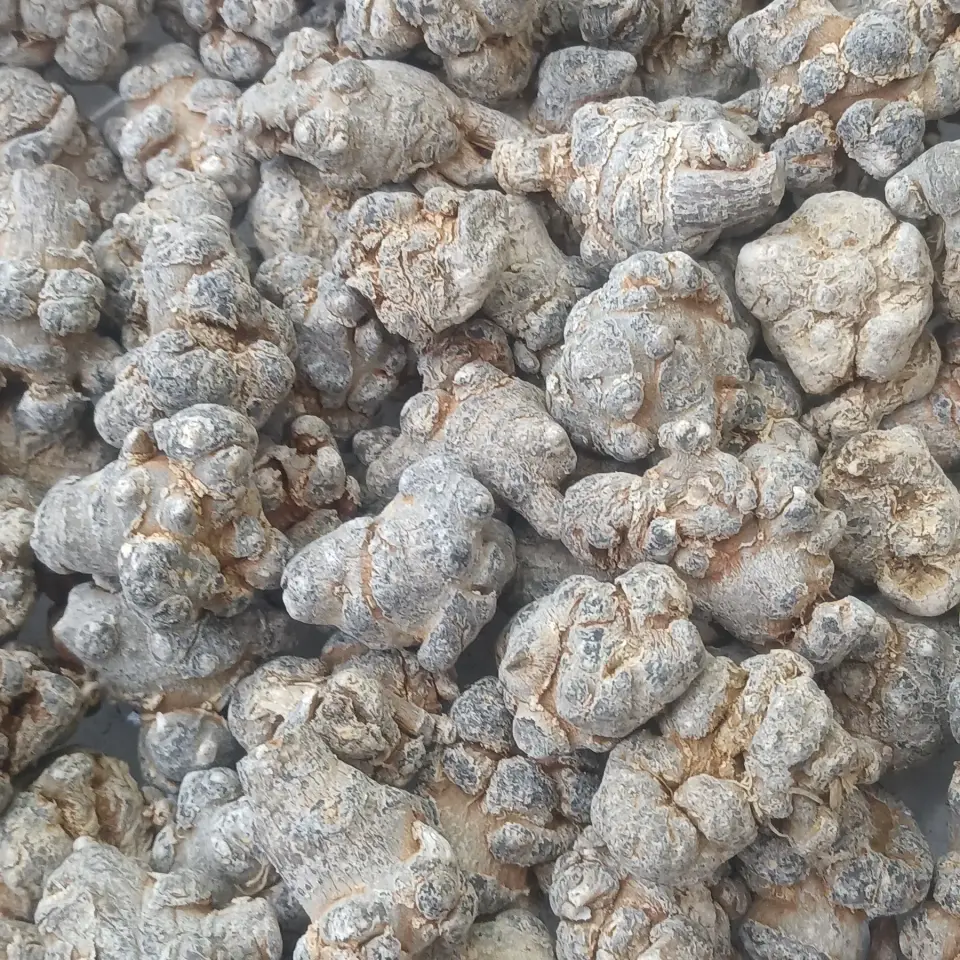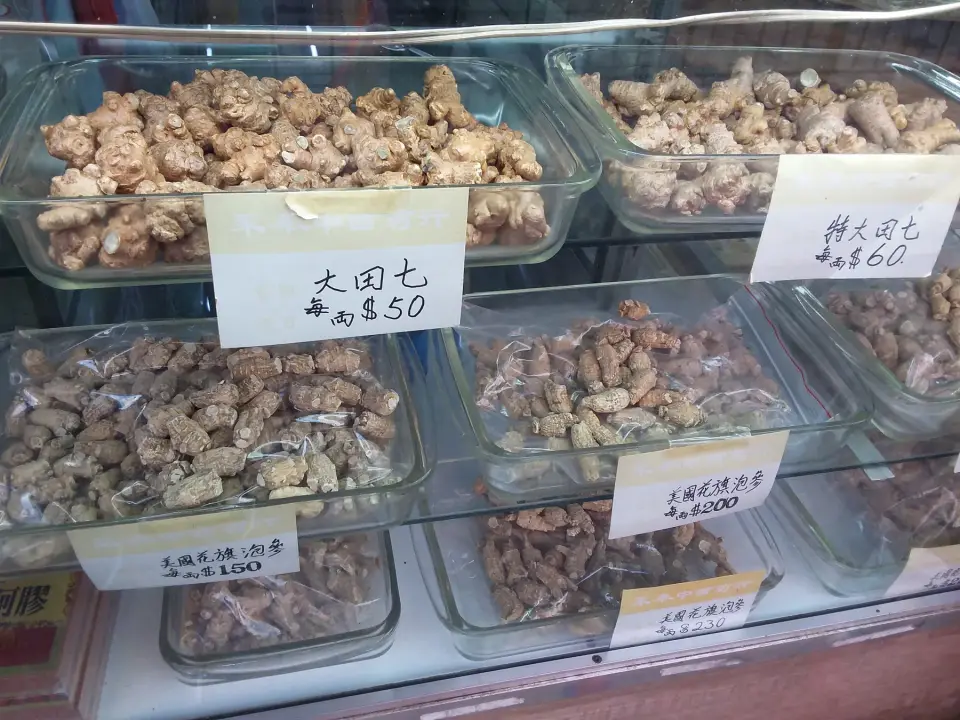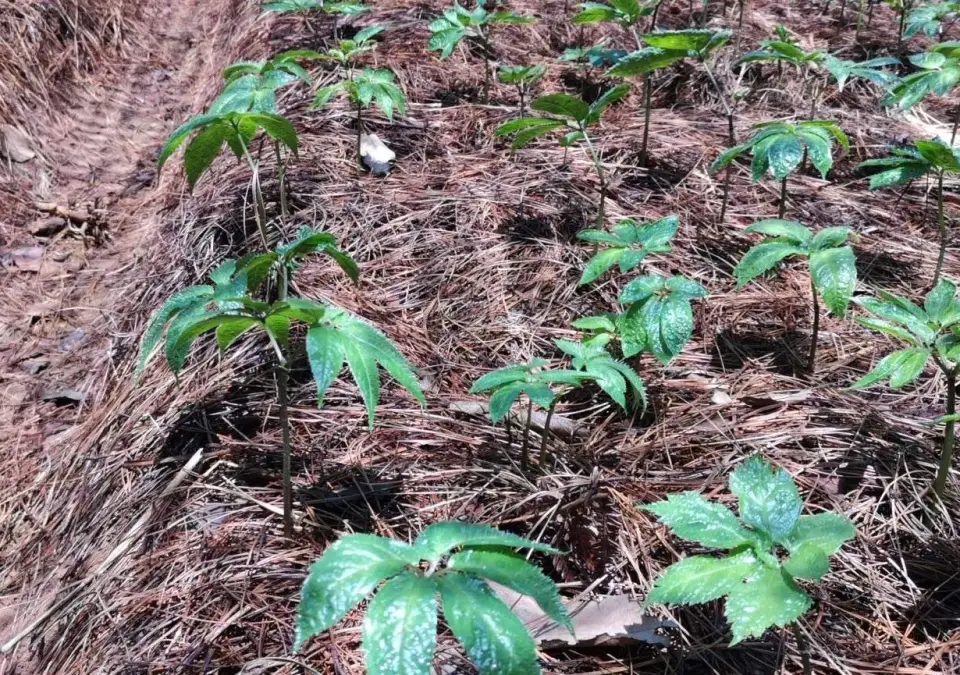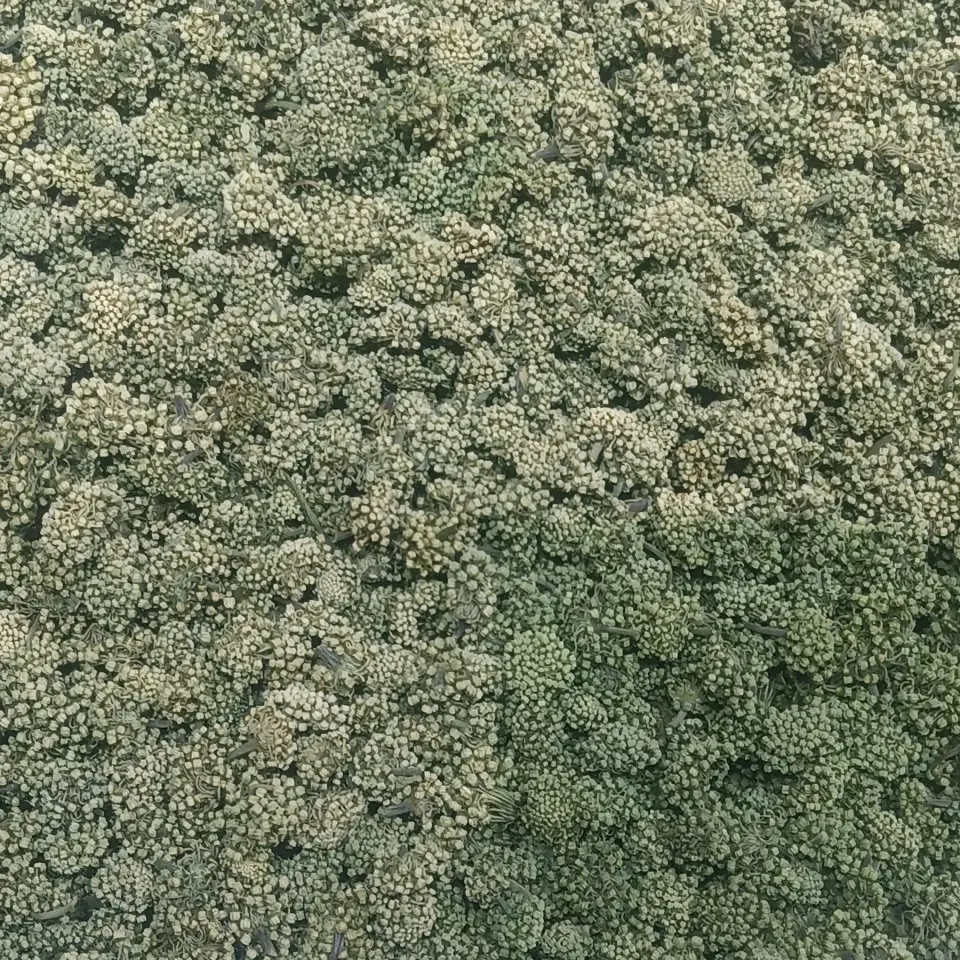
Notoginsenosides are the specialized saponins found in Panax notoginseng that drive its power to move blood. These compounds distinguish the root from other species and support the heart and vessels. For centuries, the root has been used to stop bleeding and resolve stasis.
They Improve Your Circulation
Notoginsenosides work with other saponins to optimize blood flow. A 2004 trial of 120 people with blood hyperviscosity syndrome found that Panax notoginseng saponins decreased platelet superficial activation and improved microcirculation (Wang J et al. 2004). This action helps prevent thrombosis and supports the delivery of oxygen to tissues.
These compounds are more effective at improving clinical syndromes of blood stasis than aspirin (Wang J et al. 2004). They inhibit platelet adhesion and aggregation through multiple pathways to keep blood moving. This strength makes the root a primary choice for those seeking better flow.
Many users say they feel a difference in their extremities when using these saponins. The root is traditionally used to dispel stasis and relieve pain (PMC11889391). This long record of use confirms the root as a circulation specialist.
The saponins in the root act on specific markers to keep blood moving. A 2004 trial of 120 people with blood hyperviscosity syndrome found that Panax notoginseng saponins significantly changed levels of endothelin, prostacyclin, and thromboxane (Wang J et al. 2004). These components also altered the expression of CD62P and CD41 to reduce platelet activation. This multi pathway action is a strength of the root for those seeking a natural way to support flow.
They Protect Your Heart and Brain
Notoginsenosides provide critical support during recovery from vascular events. A 2026 randomized trial of 3,542 patients found that Panax notoginseng saponins improved functional outcomes in ischemic stroke patients (Li X et al. 2026). Specifically, patients without diabetes achieved greater functional independence at 3 months.
These saponins protect neurons and promote rehabilitation after cerebral hemorrhage. A 2007 trial of 50 patients found that Panax notoginseng saponins significantly lowered the level of neuronal specific enolase and increased the Barthel Index score for daily living (Wei SG et al. 2007). This result shows the root helps the brain recover faster.
The root is often used in concentrated extracts to treat acute coronary syndrome (NCT06618495). These preparations focus on notoginsenoside R1 and other ginsenosides to protect the heart. This targeted action supports long-term cardiovascular resilience.
The root provides a strong foundation for recovery after a stroke. A 2026 randomized trial of 3,542 patients found that Panax notoginseng saponins improved the proportion of patients achieving functional independence (Li X et al. 2026). This benefit was particularly strong in the group without diabetes. Such results confirm the root as a powerful tool for restoring movement and independence after a vascular event.
They Help You Recover from Bruises
The unique saponins in this root provide a bidirectional effect on blood. While some notoginsenosides inhibit platelet aggregation to improve flow, others like notoginsenoside Ft1 promote coagulation to stop bleeding (PMC11889391). This balance allows the root to resolve bruises without causing excessive bleeding.
This ability to stanch bleeding and relieve swelling has been used for thousands of years (PMC4131460). It is a key ingredient in traditional preparations for internal and external trauma. This history makes it a trusted choice for recovery.
People often report faster healing of deep bruises when using the root. The saponins work to clear blood stasis while stabilizing the vessels.
The root is used to resolve internal stasis and reduce swelling. Traditional records show it is effective for treating trauma and stopping bleeding (PMC4131460). These saponins work to clear the blood while protecting the vessels. This dual action allows the body to heal bruises more efficiently through centuries of proven use.
They Support Your Kidney and Liver
Notoginsenosides extend their benefits to the filtration organs. A 2010 trial of 60 patients with chronic renal failure found that Panax notoginseng saponins improved renal function and lowered 24-hour urinary protein (Peng SL et al. 2010). The experimental group showed more obvious improvements in blood urea nitrogen and hemoglobin.
These compounds provide a protective effect that supports the kidneys during chronic stress (Peng SL et al. 2010).
By supporting these organs, the saponins help maintain overall metabolic balance.
The saponins provide measurable support for renal health. A 2010 trial of 60 patients with chronic renal failure found that Panax notoginseng saponins improved the clearance rate of endogenous creatinine and blood urea nitrogen (Peng SL et al. 2010). The experimental group also showed a significant improvement in hemoglobin levels. This makes the root a strength for those supporting their filtration organs.
They Help Manage Blood Lipids
Notoginsenosides contribute to a healthier lipid profile. Research focuses on the ability of high-potency extracts containing notoginsenoside R1 and ginsenoside Rb1 to lower LDL-C (NCT04069715). This action helps clear the arteries of plaque.
By reducing blood lipids, these saponins lower the risk of vascular blockage. This makes the root an ideal companion for notoginseng for cholesterol. The result is a smoother flow of blood through the heart and brain.
The root works to balance the blood without the side effects of some synthetic drugs. It supports the natural metabolism of fats in the bloodstream. This gentle approach is valued by long-term users.
The root targets the components of the blood that contribute to arterial stiffness. Research focuses on how pharmaceutical grade extracts containing notoginsenoside and ginsenoside Rb1 affect blood pressure (NCT04069715). By addressing both LDL-C and blood pressure, the root supports a more flexible vascular system. This comprehensive action is a benefit for long term heart health.
They Are Well Tolerated by the Body
The saponins in Panax notoginseng are known for their high safety profile. A 2019 dose escalation study of 84 healthy volunteers found that a mixture of Panax notoginseng saponins was well tolerated at single doses up to 5760 mg (Gou ZP et al. 2019). No serious adverse events were observed.
Even with twice-daily doses of 2160 mg for 14 days, the participants showed no clinically significant changes in vital signs (Gou ZP et al. 2019). Some users experienced a small increase in daily stools, which is a common and mild response. This confirms the root is safe for wide use.
The root is processed into various forms to ensure purity and potency. The Hong Kong Chinese Materia Medica Standards provide strict identity and quality standards. This ensures you receive a pure product.
The root is safe for use even at very high concentrations. A 2019 dose escalation study of 84 healthy volunteers found that a mixture of Panax notoginseng saponins caused no clinically significant changes in electrocardiography or laboratory tests (Gou ZP et al. 2019). This high level of tolerability is a strength of the species. It allows users to take the root with confidence in its safety.
They Work in Many Different Forms
Notoginsenosides can be delivered in various ways to maximize their effect. While they are poorly absorbed from the gastrointestinal tract, they are highly effective when delivered via other routes. A 2020 study found that intramuscular injection of notoginseng saponins showed 100%-112% bioavailability relative to intravenous infusion (Zhang HY et al. 2020).
For those using capsules or powder, the total saponin content is the key to success. You can choose between raw and steamed notoginseng depending on whether you need to stop bleeding or move blood. Both forms contain the essential notoginsenosides that support the heart.
These components work together to improve notoginseng for circulation. This synergy is why the whole root extract is so powerful.
References
- Li X et al. 2026. Effect of diabetes on the efficacy and safety of Panax notoginseng saponins in ischemic stroke: a prespecified analysis of the PANDA trial. J Ginseng Res.
- Zhang HY et al. 2020. Comparison of intramuscular and intravenous pharmacokinetics of ginsenosides in humans after dosing XueShuanTong, a lyophilized extract of Panax notoginseng roots. J Ethnopharmacol.
- Gou ZP et al. 2019. Randomized, double-blind, placebo-controlled phase I dose escalation study of Dan Qi Tong Mai tablet in healthy volunteers. BMC Complement Altern Med.
- Peng SL et al. 2010. [Effect of total saponins of Panax notoginseng on urinary albumin in patients with chronic renal failure]. Zhongguo Wei Zhong Bing Ji Jiu Yi Xue.
- Wei SG et al. 2007. [Effect of Panax notoginseng saponins on serum neuronal specific enolase and rehabilitation in patients with cerebral hemorrhage]. Zhongguo Zhong Xi Yi Jie He Za Zhi.
- Wang J et al. 2004. [Effect of Radix notoginseng saponins on platelet activating molecule expression and aggregation in patients with blood hyperviscosity syndrome]. Zhongguo Zhong Xi Yi Jie He Za Zhi.
- NCT04069715. The Effect of Farlong® NotoGinseng™ (Ginseng Plus®) on Cholesterol and Blood Pressure. ClinicalTrials.gov.
- NCT06618495. Clinical Study and Molecular Mechanism of Xuesaitong Soft Capsule in the Treatment of Acute Coronary Syndrome. ClinicalTrials.gov.
- Hong Kong Chinese Materia Medica Standards. Hong Kong Chinese Materia Medica Standards, Volume 1: Radix Notoginseng.
- PMC11889391. A narrative review of Panax notoginseng : Unique saponins and their pharmacological activities.
- PMC4131460. Protective Effects of Panax Notoginseng Saponins on Cardiovascular Diseases: A Comprehensive Overview of Experimental Studies.
Nothing here is medical advice, and anyone on prescription medication can mention notoginseng to a doctor while enjoying a root people have trusted for centuries.