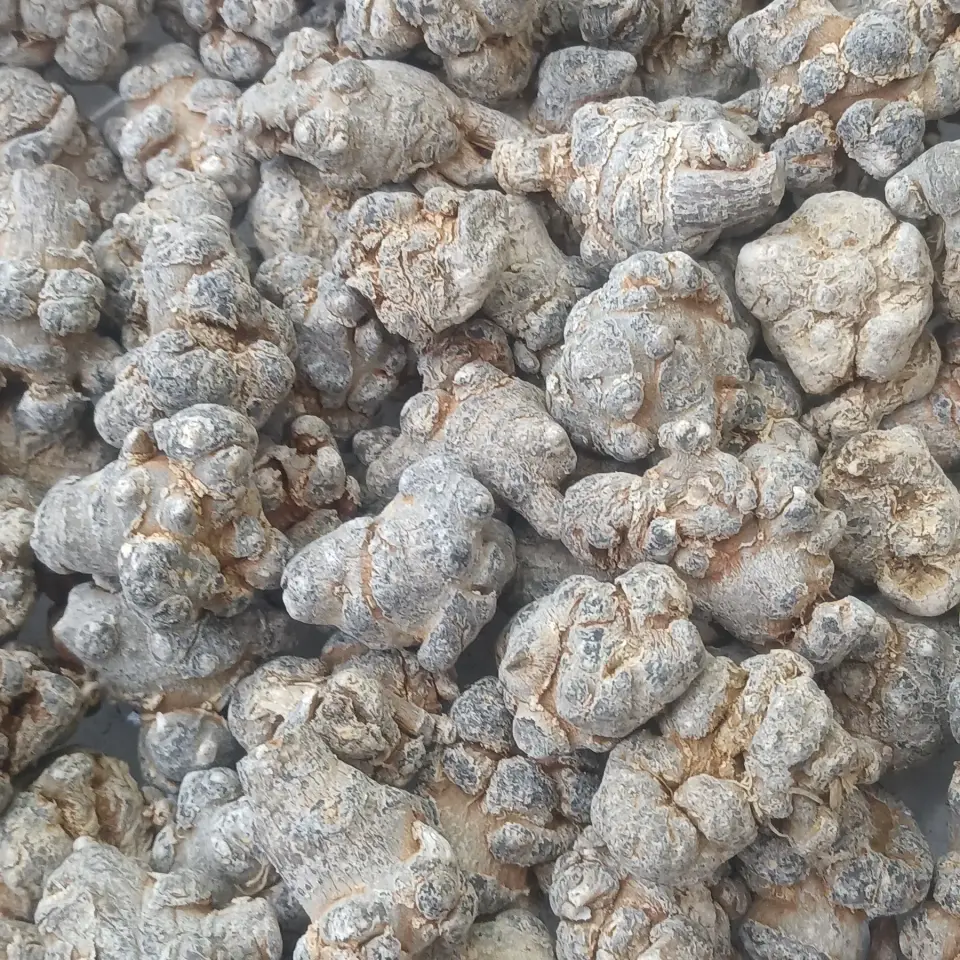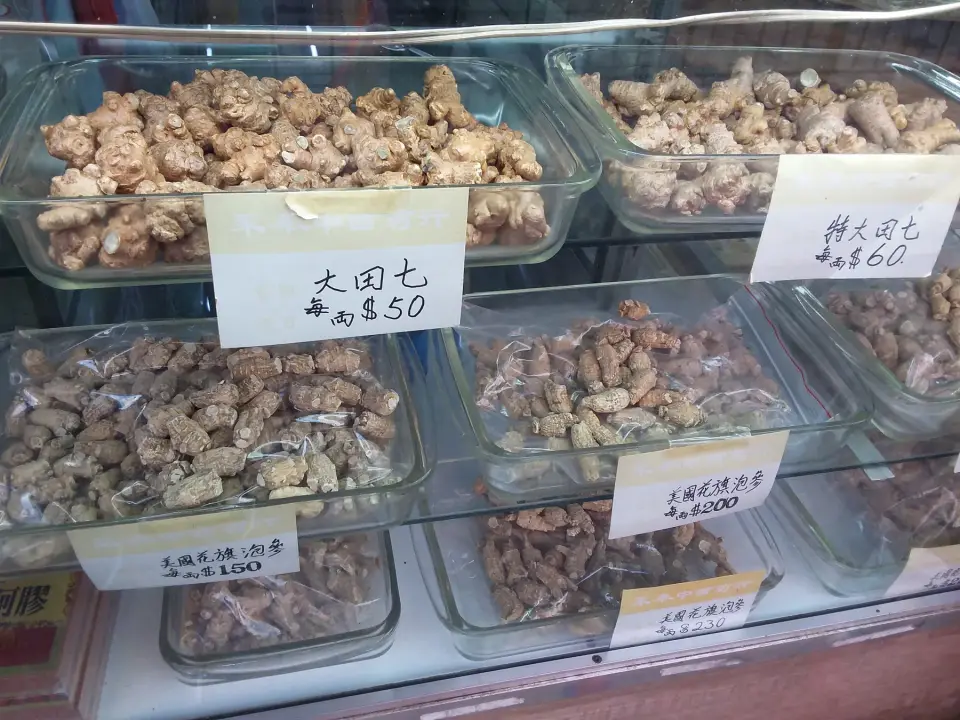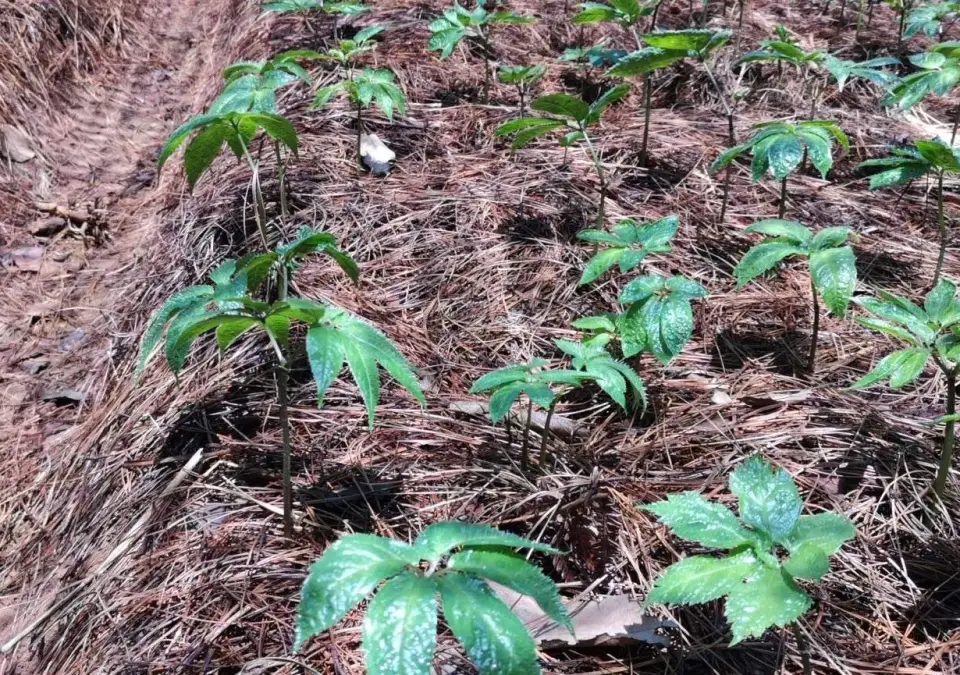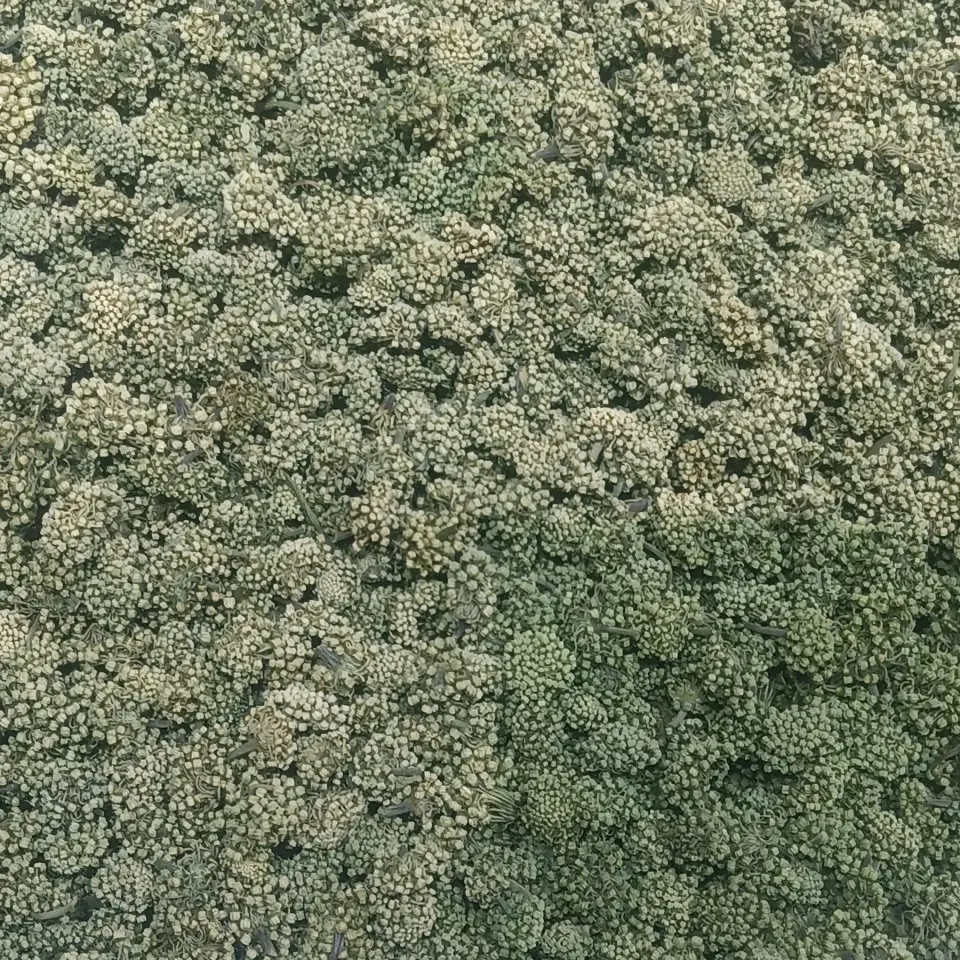
Choosing the right form of Panax notoginseng ensures you receive the specific benefits of this root. For centuries, this species has been used to support blood flow and recovery. Whether you prefer the tradition of powder or the precision of capsules, each method offers a strength for your circulation.
Capsules Provide Precise Dosing for Heart Health
Soft capsules are a primary choice for those seeking standardized saponins to support the heart. A 2023 randomized clinical trial of 2,966 patients found that Xuesaitong soft capsules significantly increased the likelihood of functional independence at 3 months in patients with ischemic stroke (Wu L et al. 2023). This form allows for consistent intake of bioactive components to support the brain.
The bioavailability of these saponins is a key strength of the soft capsule. Research indicates that the bioavailability of Panax notoginseng saponins in soft capsules is greater than in hard capsules. This efficiency helps you maintain a steady level of support for your vascular system.
Capsules are also used to manage blood pressure and lipids. A network meta-analysis of 22,546 patients found that Xuesaitong combined with conventional medicine is superior for reducing systolic and diastolic blood pressure (Ji ZC et al. 2022). This makes capsules a reliable tool for heart health.
Powder Supports Recovery and Gastric Health
Panax notoginseng powder is a traditional strength used for rapid absorption and targeted recovery. A 2024 Bayesian network meta-analysis of 2,076 patients identified Sanqi powder as a top intervention for improving postoperative haemoglobin and enhancing the Harris score after femur fractures (Wu X et al. 2024). This makes powder an excellent choice for bruises and bleeding.
Powder is also effective for internal mucosal support. A multi-center randomized trial of 202 patients found that Chinese herbal prescriptions combined with Panax notoginseng powder were superior to antacids in improving symptoms of erosive gastritis (Zhang T et al. 2022). The powder form helps reduce gastric mucosal pathological scores.
Many users say that powder is easier to mix into liquids for a customized experience. This flexibility allows you to adjust your dosage based on your specific recovery needs. The root's long history of use as a powder ensures a trusted method for stabilizing blood volume.
Tea Offers a Gentle Way to Support Flow
Preparing the root as a tea is a centuries-old practice for maintaining daily circulation. While clinical trials often focus on concentrated extracts, the infusion of the root provides a holistic experience. This method is often used by those who prefer a ritualized approach to their health.
Tea allows for the slow release of components into the system. This gentle delivery is valued by those who want to support their overall circulation without the intensity of a concentrated capsule. The warmth of the tea further supports the movement of blood.
Using the root in tea form honors the traditional records of sanqi. This practice has been used for generations to keep the blood moving and the body resilient. It remains a preferred method for those who value the raw nature of the species.
Raw Versus Steamed Forms Change the Effect
The processing of the root determines its primary strength. Raw notoginseng is traditionally used to stop bleeding and reduce swelling. This makes the raw form ideal for acute recovery and the treatment of bruises.
Steamed notoginseng is processed to enhance its ability to resolve blood stasis. This version is often preferred for long-term support of the heart and arteries. You can learn more about these differences in our guide on raw vs steamed notoginseng.
The Hong Kong Chinese Materia Medica Standards provide the identity and quality standards for Radix Notoginseng (Hong Kong Chinese Materia Medica Standards). Following these standards ensures you receive a potent root regardless of the processing method.
Concentrated Extracts Target Vascular Issues
For those with specific vascular needs, concentrated extracts in capsule or injection form offer high potency. A 2023 meta-analysis of 46 RCTs involving 7,957 patients showed that Xuesaitong improved long-term functional outcomes and activities of daily living in acute ischemic stroke patients (PMC10614024). These extracts provide a powerful tool for neurological recovery.
Concentrated forms are also used to support vision and ocular blood flow. A meta-analysis found that Fufang Xueshuantong Capsules significantly improved visual function and light sensitivity in patients with glaucoma (Zeng Z et al. 2023). This demonstrates the strength of the root in reaching small vessels.
These extracts are often used in combination with other therapies to maximize results. A network meta-analysis of 9,710 patients found that combining oral Chinese medicines, including those with notoginseng, with conventional treatment led to better outcomes for diabetic retinopathy (Li HD et al. 2023).
How Much to Take for Best Results
The amount you take depends on the form and your health goal. For stroke recovery, a common dose in clinical trials is 120 mg of saponins taken twice daily for three months (Wu L et al. 2023). This precise dosing helps maximize functional independence.
For those using the root for joint or muscle support, different amounts are applied. A study of 20 well-trained males used 4,000 mg of Panax notoginseng capsules to assess effects on muscle damage (Pumpa KL et al. 2013). While results varied by fitness level, the high dose was well tolerated.
Consistency is the key to seeing benefits in circulation. Whether you take a daily tea or a scheduled capsule, the long-term use of the root is what provides the most strength. Always follow the guidelines provided by your practitioner for the best experience.
Maximize Your Circulation and Recovery
Choosing the right form of Panax notoginseng allows you to target your specific health needs. Capsules provide the precision needed for cholesterol and metabolism and blood pressure. Powder offers the rapid support required for postoperative recovery and gastric health.
The root's ability to improve blood flow is a strength backed by centuries of use. A 2026 prespecified analysis of the PANDA trial confirmed that patients without diabetes received a significant benefit from Xuesaitong soft capsules regarding functional independence at 3 months (Li X et al. 2026). This confirms the root's power in supporting the brain.
By selecting the form that fits your lifestyle, you ensure a steady flow of health. The versatility of tea, powder, and capsules makes this root accessible for everyone.
References
- Wu X et al. 2024. Identifying an effective Chinese herbal medicine for reducing postoperative hidden bleeding and stabilizing blood volume following intertrochanteric femur fracture: a Bayesian network meta-analysis of randomized controlled trials. J Orthop Surg Res.
- Zeng Z et al. 2023. Efficacy and safety of Fufang Xueshuantong Capsules in combination with conventional drugs in the treatment of glaucoma: A meta-analysis and trial sequential analysis. Medicine (Baltimore).
- Li HD et al. 2023. Effectiveness and safety of traditional Chinese medicine for diabetic retinopathy: A systematic review and network meta-analysis of randomized clinical trials. World J Diabetes.
- Ji ZC et al. 2022. [Network Meta-analysis of efficacy and safety of oral Chinese patent medicines combined with conventional western medicine in treatment of hypertension]. Zhongguo Zhong Yao Za Zhi.
- Li X et al. 2026. Effect of diabetes on the efficacy and safety of Panax notoginseng saponins in ischemic stroke: a prespecified analysis of the PANDA trial. J Ginseng Res.
- Wu L et al. 2023. Efficacy and Safety of Panax notoginseng Saponins in the Treatment of Adults With Ischemic Stroke in China: A Randomized Clinical Trial. JAMA Netw Open.
- Zhang T et al. 2022. Chinese herbal compound prescriptions combined with Chinese medicine powder based on traditional Chinese medicine syndrome differentiation for treatment of chronic atrophic gastritis with erosion: a multi-center, randomized, positive-controlled clinical trial. Chin Med.
- Pumpa KL et al. 2013. The effects of Panax notoginseng on delayed onset muscle soreness and muscle damage in well-trained males: a double blind randomised controlled trial. Complement Ther Med.
- Hong Kong Chinese Materia Medica Standards. Hong Kong Chinese Materia Medica Standards, Volume 1: Radix Notoginseng.
- PMC10614024. Efficacy and safety of Panax notoginseng saponins (Xuesaitong) for patients with acute ischemic stroke: a systematic review and meta-analysis of randomized controlled trials.
Nothing here is medical advice, and anyone on prescription medication can mention notoginseng to a doctor while enjoying a root people have trusted for centuries.