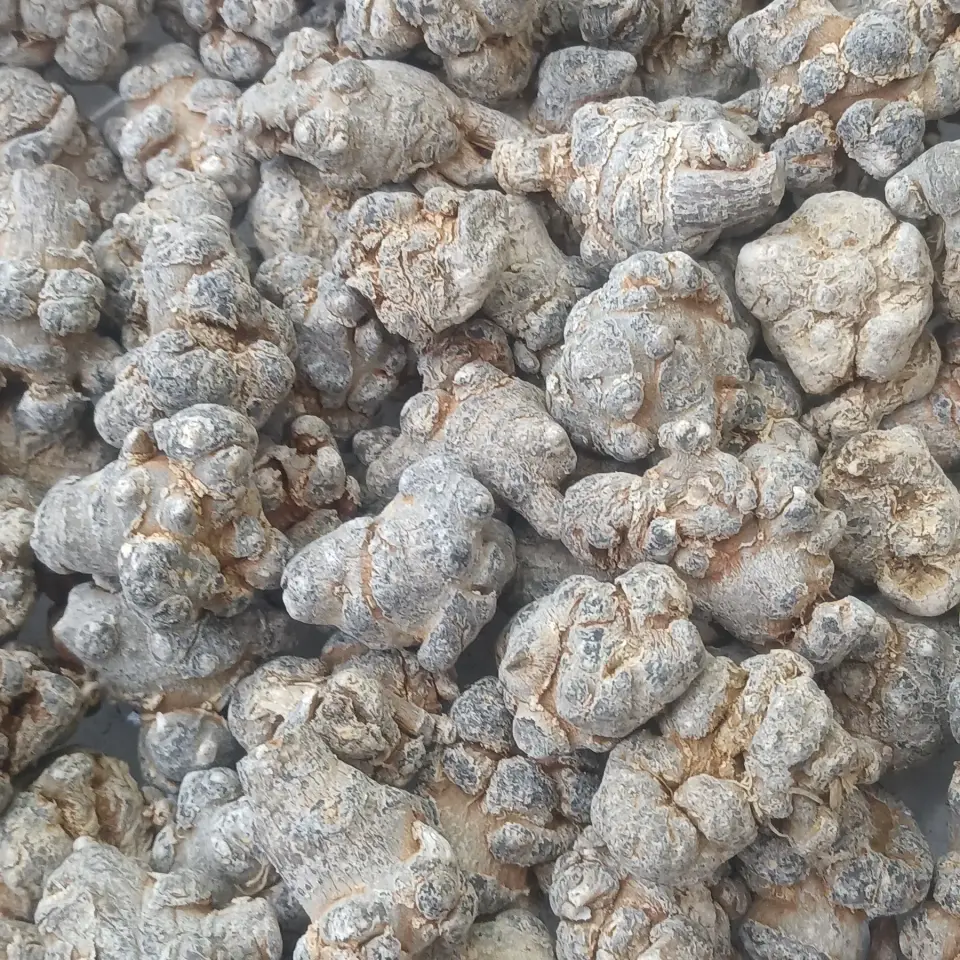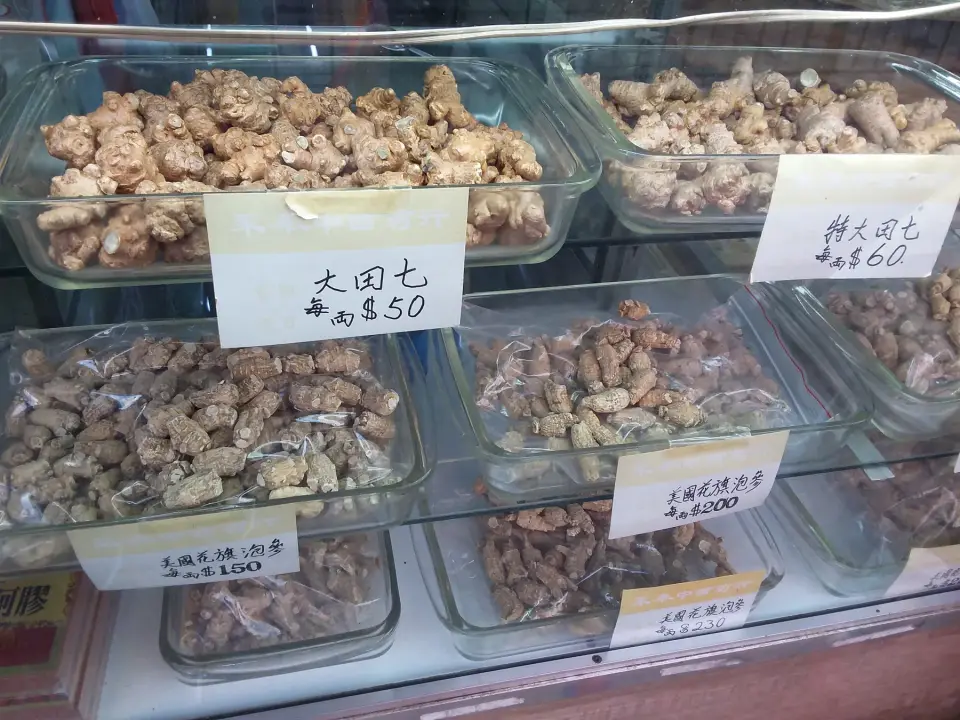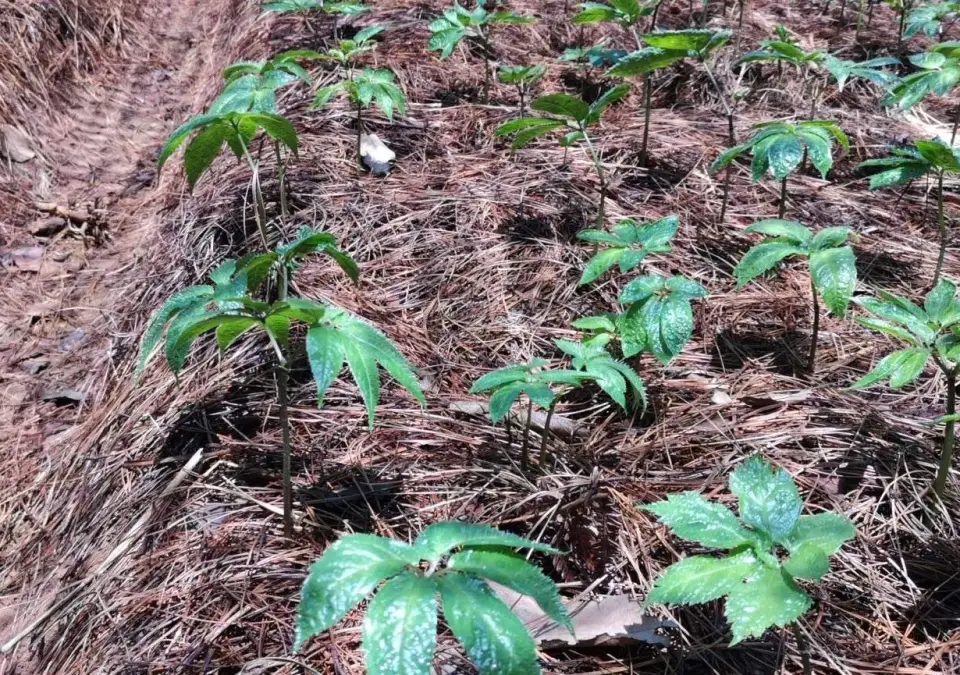
Panax notoginseng saponins are the concentrated bioactive compounds that drive the root's legendary ability to move blood. These saponins, often delivered as Xuesaitong or Xueshuantong, focus the strength of the root into a potent form for circulation. Centuries of use as Sanqi have established this root as a primary tool for recovery.
It Improves Functional Recovery After Stroke
Concentrated saponins help the brain recover after an ischemic event. A 2026 network meta-analysis of 50 studies involving 18,424 patients found that Panax notoginseng saponins (PNS) plus aspirin resulted in a higher improvement in the modified Rankin scale compared to clopidogrel plus aspirin, indobufen, or aspirin alone (Zhang H et al. 2026). This combination leads to a greater decrease in post-treatment NIHSS scores than aspirin alone (Zhang H et al. 2026).
The root's strength is found in its diverse saponin profile. These compounds work together to support the circulation and protect brain tissue. This focused approach contributes to a reduction in patient disability (Zhang H et al. 2026).
The use of these saponins is most effective when started early. Initiating PNS plus aspirin therapy within 14 days of symptom onset is associated with favorable functional outcomes in patients with ischemic stroke (Zhang H et al. 2026). This timing maximizes the recovery of the patient.
It Supports Heart Health and Blood Flow
Xuesaitong is specifically designed to address ischemic heart and cerebrovascular diseases. In a trial of 50 patients with acute coronary syndrome, Xuesaitong soft capsules were used to evaluate platelet function and clinical prognosis (NCT06618495). The saponins in these capsules target the mechanisms of blood flow to support the heart.
The root's ability to manage blood lipids is a core strength. A randomized, double-blind, placebo-controlled study investigated Farlong NotoGinseng, a high-potency extract containing notoginsenoside, Rb1, and Rg1, for its efficacy on LDL-C and blood pressure (NCT04069715). This concentrated form targets cholesterol and metabolism to maintain clear arteries.
These extracts improve the quality of blood movement. A study of 140 elderly patients with acute cerebral infarction found that combining Xuesaitong with other injections significantly improved cerebral blood flow, plasma viscosity, and platelet adhesion rates (Huang ZJ et al. 2014). This result leads to better nerve function and improved life skills.
It Reduces Bleeding and Supports Recovery
Saponins from the root are used to stop excessive bleeding and speed up the healing of tissues. A trial of 60 pregnant women found that Xuesaitong soft capsules significantly shortened bleeding time and reduced the amount of blood loss 30 minutes, 1 hour, 2 hours, and 24 hours after delivery (Liu DY et al. 2002). This support for bruises and bleeding also promotes faster involution of the uterus.
The root's effect on blood is balanced and safe. In the same study of 60 women, the group taking Xuesaitong showed a stable blood viscosity, while the placebo group experienced significant changes (Liu DY et al. 2002). This stability allows for a faster recovery of the patient.
The root is also used for severe injuries to the head. A study of 87 patients with severe craniocerebral injury found that Xuesaitong injection lowered intracranial pressure and improved Glasgow coma scores (Ai WB et al. 2004). These patients achieved better outcomes on the Glasgow outcome scale after three months.
It Protects the Liver and Kidneys
The concentrated saponins of the root provide a shield for vital organs. A study of 64 patients with post-hepatitis fibrosis found that Xuesaitong soft capsules significantly lowered levels of serum procollagen III, hyaluronic acid, collagen IV, and laminin (Deng YQ et al. 2005). This action helps recover liver dysfunction and provides an anti-fibrosis function.
Saponins also support the filtration system of the body. In a trial of 60 patients with non-uremic chronic renal failure, those given Xueshuantong 0.45 g daily showed more obvious improvements in endogenous creatinine clearance, blood urea nitrogen, and hemoglobin (Peng SL et al. 2010). The extract also significantly lowered 24-hour urinary protein.
These results demonstrate the root's versatility in treating internal damage. By improving renal function and lowering urine protein, the saponins support long-term organ health (Peng SL et al. 2010).
It Is Well Tolerated in High Doses
The safety of these concentrated extracts is well documented. A phase I dose escalation study of 84 healthy volunteers tested a mixture of Panax notoginseng saponins and salvianolic acids (Gou ZP et al. 2019). The tablets were well tolerated at single doses up to 5760 mg and twice-daily doses up to 2160 mg for 14 consecutive days.
Common responses to these high doses are mild. In the 84-person study, five subjects reported a small increase in daily stools, and one subject had a temporary, mild elevation in liver enzymes that recovered spontaneously (Gou ZP et al. 2019). No serious adverse events or significant changes in vital signs were observed.
The root is tolerated well across different delivery forms. In the 84-person study, the absence of clinically significant changes in electrocardiography confirms the safety of high-dose saponins (Gou ZP et al. 2019). This allows for flexible dosing to meet recovery needs.
It Offers Flexible Delivery Methods
The way these saponins are delivered affects how they enter the body. Saponins are often poorly absorbed through the gut, which is why different forms exist (Zhang HY et al. 2020). Xueshuantong is a lyophilized extract that can be administered via different routes to ensure the active compounds reach the blood.
Intramuscular injection is a powerful alternative to intravenous use. A study on human volunteers found that the intramuscular bioavailability of ginsenosides in Xueshuantong was 100% to 112% relative to intravenous data (Zhang HY et al. 2020). This allows for a steady release of the root's benefits.
The duration of the effect depends on the type of saponin. The 20(S)-protopanaxadiol-type ginsenosides exhibited longer terminal half-lives of 46 to 106 hours after intramuscular injection (Zhang HY et al. 2020). This prolonged presence in the body supports continuous circulation and recovery.
It Provides a Standard of Quality
To ensure the benefits of the root, strict standards are applied to its identity. The Hong Kong Chinese Materia Medica Standards provide the quality and identity requirements for Radix Notoginseng (Hong Kong Chinese Materia Medica Standards). These standards preserve the traditional use and potency of the species.
Whether you choose raw or steamed notoginseng, the saponins remain the key to its power. This consistency ensures that every dose delivers the strength of the root.
The most profound benefit of these saponins is the restoration of independence after a stroke. By reducing disability and improving functional outcomes, Xuesaitong and PNS provide a viable path to recovery (Zhang H et al. 2026). This strength makes Panax notoginseng a cornerstone of circulation health.
References
- Zhang H et al. 2026. Comparative effectiveness of Panax notoginseng saponins-related agents and antiplatelet agents in ischemic stroke: A systematic review and network meta-analysis. J Ethnopharmacol.
- Zhang HY et al. 2020. Comparison of intramuscular and intravenous pharmacokinetics of ginsenosides in humans after dosing XueShuanTong, a lyophilized extract of Panax notoginseng roots. J Ethnopharmacol.
- Gou ZP et al. 2019. Randomized, double-blind, placebo-controlled phase I dose escalation study of Dan Qi Tong Mai tablet in healthy volunteers. BMC Complement Altern Med.
- Huang ZJ et al. 2014. [Clinical analysis of acute cerebral infarction by Dengzhanhua injection and Xiongqin injection combined with Xuesaitong treatment]. Zhong Yao Cai.
- Peng SL et al. 2010. [Effect of total saponins of Panax notoginseng on urinary albumin in patients with chronic renal failure]. Zhongguo Wei Zhong Bing Ji Jiu Yi Xue.
- Deng YQ et al. 2005. Clinical observation of the effect of Xuesaitong soft capsule on post-hepatitis fibrosis. Chin J Integr Med.
- Ai WB et al. 2004. [Clinical observation on effect of xuesaitong injection as auxiliary treatment of severe craniocerebral injury]. Zhongguo Zhong Xi Yi Jie He Za Zhi.
- Liu DY et al. 2002. [Clinical observation on treatment of postpartum hemorrhage by xuesaitong soft capsule]. Zhongguo Zhong Xi Yi Jie He Za Zhi.
- NCT04069715. The Effect of Farlong® NotoGinseng™ (Ginseng Plus®) on Cholesterol and Blood Pressure. ClinicalTrials.gov.
- NCT06618495. Clinical Study and Molecular Mechanism of Xuesaitong Soft Capsule in the Treatment of Acute Coronary Syndrome. ClinicalTrials.gov.
- Hong Kong Chinese Materia Medica Standards. Hong Kong Chinese Materia Medica Standards, Volume 1: Radix Notoginseng.
Nothing here is medical advice, and anyone on prescription medication can mention notoginseng to a doctor while enjoying a root people have trusted for centuries.