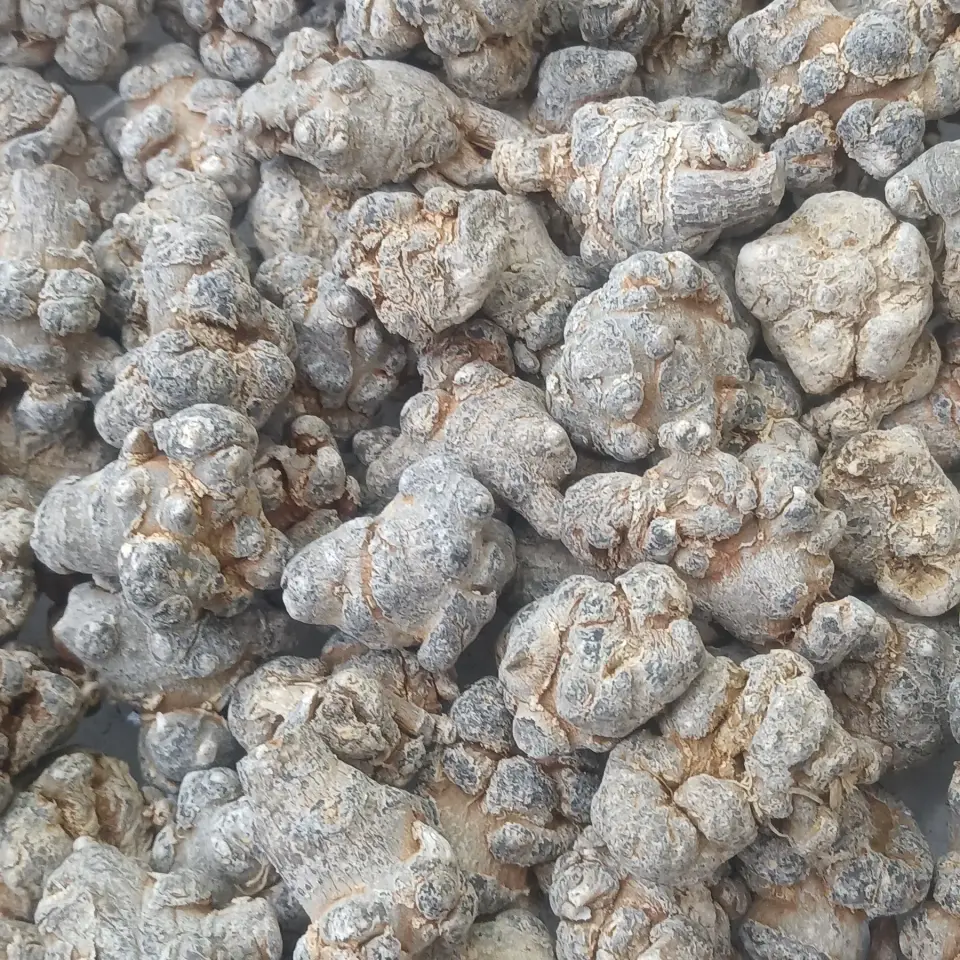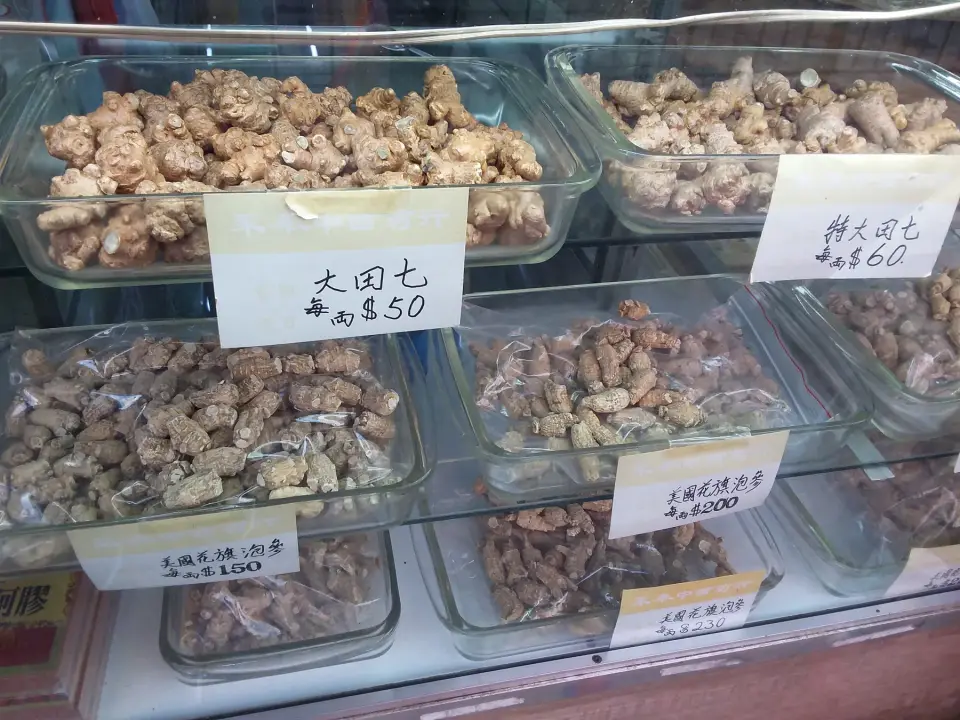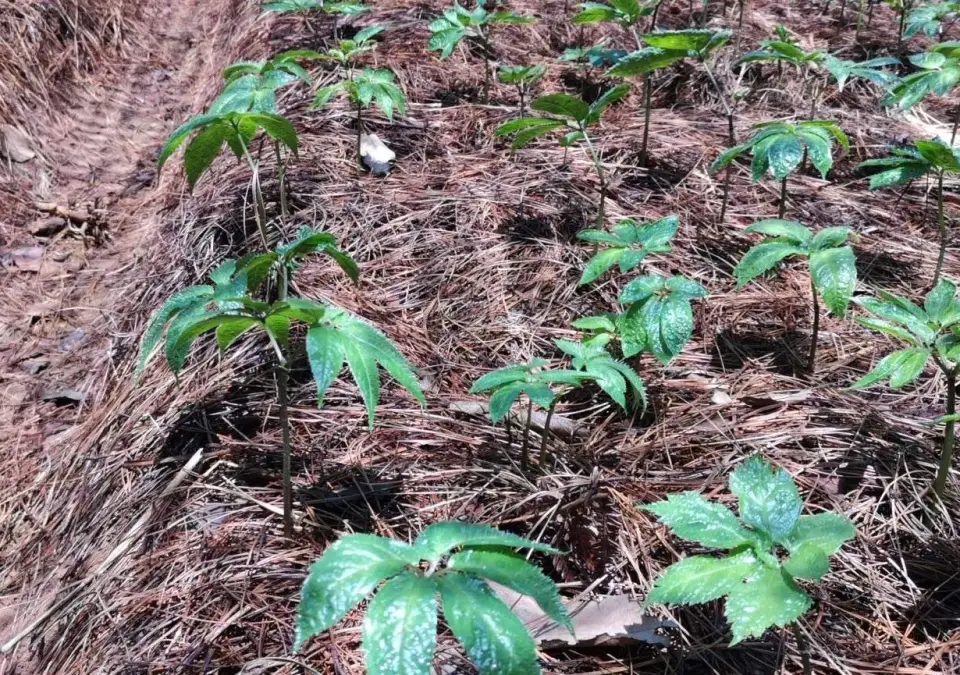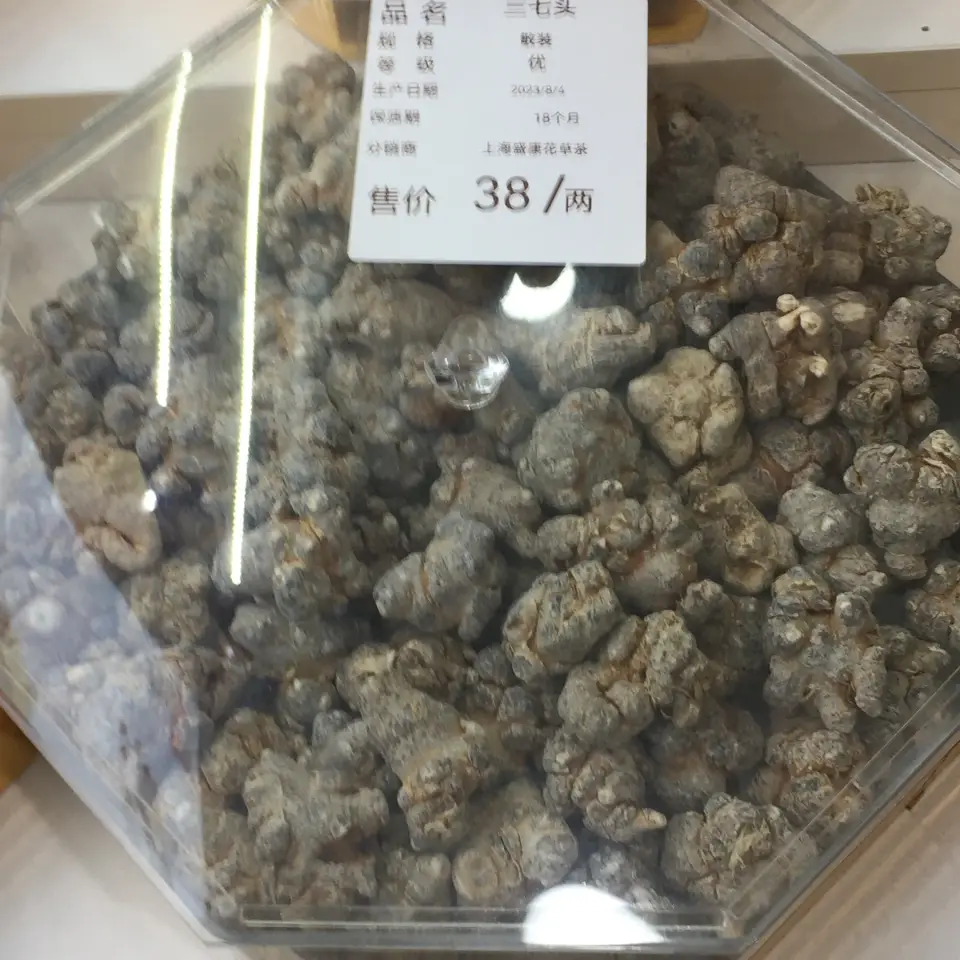
Panax notoginseng is a prized root used for centuries to manage inflammation and support the body during recovery. It promotes healthy circulation and helps the body resolve swelling. This root provides a natural way to lower inflammatory markers for better long-term health.
It Reduces Systemic Inflammatory Markers
The root helps lower proteins that signal inflammation in the blood. A 2020 systematic review of 40 studies in 3,868 patients found that Xueshuantong injection combined with conventional treatments significantly reduced high-sensitivity C-reactive protein and interleukin 6 (Lyu et al. 2020). These results support a faster return to daily activities.
The root also targets inflammation during acute heart events. A 2021 meta-analysis of 5 trials in 539 participants found that Xuesaitong injection combined with conventional treatment significantly reduced hypersensitive C-reactive protein and interleukin 6 (Hua et al. 2021). This reduction supports better left ventricular ejection fraction.
Specific extracts further refine this effect. A 2026 randomized double-blind trial of 59 patients with unstable angina found that Xueshuantong injection produced significantly greater reductions in C-reactive protein levels compared to a low-dose control group (Wang et al. 2026). This helps reduce residual inflammatory risk.
The root targets specific markers of inflammation during heart events. A 2021 meta-analysis of 5 trials in 539 participants found that Xuesaitong injection combined with conventional treatment significantly reduced cardiac troponin T and creatine kinase myocardial isoenzyme (Hua et al. 2021). These reductions support the stabilization of the heart muscle. This effect is a strength of the root's long use in cardiovascular care.
It Supports Recovery from Acute Organ Inflammation
The root is used to manage severe inflammation in the pancreas. A 2026 meta-analysis of 16 randomized controlled trials involving 1,529 patients found that Xuesaitong injection plus conventional therapy reduced inflammatory markers including tumor necrosis factor-alpha, C-reactive protein, and interleukin-6 (Fang et al. 2026). This combination shortened the length of hospital stay.
It also assists in the recovery of the kidneys. A 2020 meta-analysis of 13 randomized controlled trials in 1,186 patients found that Fufang Xueshuantong significantly decreased C-reactive protein in those with diabetic kidney disease (Tan et al. 2020). This result is paired with a decrease in low-density lipoprotein cholesterol.
These effects are rooted in the chemistry of the species. Notoginsenoside R1, a major bioactive compound from the dry roots, exhibits potent anti-inflammatory and neuroprotective properties (Guo et al. 2019). This compound helps protect against ischemia-reperfusion injury.
The root provides measurable benefits for those in hospital care. A 2026 meta-analysis of 16 randomized controlled trials involving 1,529 patients found that Xuesaitong injection plus conventional therapy reduced serum amylase and urinary amylase (Fang et al. 2026). This reduction in enzyme levels supports the healing of the pancreas. It is a concrete benefit of the root's anti-inflammatory action.
It Helps Soothe Joint and Muscle Inflammation
Many users say the root eases the stiffness of aging joints. A study of 84 patients with rheumatoid arthritis found that total panax notoginseng saponins significantly lowered C-reactive protein and improved the joint swelling and pain indices (PubMed 17717913). This helps patients regain mobility.
The root is also effective for knee discomfort.
These benefits extend to the nerves. A 12-week randomized controlled trial of 140 patients with diabetic peripheral neuropathy found that Xuesaitong combined with nutraceuticals significantly decreased pain intensity and managed inflammation (Li et al. 2025). This combination improved nerve conduction velocities.
The root improves the physical quality of life for those with nerve damage. A 12-week randomized controlled trial of 140 patients with diabetic peripheral neuropathy found that Xuesaitong combined with nutraceuticals significantly improved the SF-36 quality of life score (Li et al. 2025). This result is paired with a decrease in neuropathy symptoms. It allows for a more active lifestyle.
It Improves Circulation and Blood Lipids
Inflammation and circulation are closely linked. A 2020 meta-analysis of 13 randomized controlled trials in 1,186 patients found that Fufang Xueshuantong significantly lowered serum triglyceride and low-density lipoprotein cholesterol (Tan et al. 2020). This supports better heart health.
The root also manages glucose-related inflammation. A 2025 meta-analysis of 13 randomized controlled trials in 1,298 diabetic patients found that Tianqi Jiangtang Capsule improved lipid profiles and inflammatory markers (Liu et al. 2025). This helps with blood sugar management.
By clearing the blood and reducing lipids, the root ensures a steady flow of nutrients. This is why it is the primary species for improving circulation. It removes the blockages that often trigger inflammatory responses.
The root supports the filtration system of the body. A 2020 meta-analysis of 13 randomized controlled trials in 1,186 patients found that Fufang Xueshuantong significantly lowered the urinary albumin excretion rate and the urinary albumin creatinine ratio (Tan et al. 2020). This reduction in albuminuria supports better renal function. It is a strength of the root's effect on blood lipids.
It Aids in Healing Bruises and Bleeding
The root has been used for centuries to resolve blood stasis and swelling. It is highly valued for its ability to treat bruises and bleeding. This traditional strength is supported by its ability to reduce local inflammation.
The root helps the body absorb stagnant blood more quickly. This process reduces the pressure and pain associated with deep tissue bruising. It accelerates the recovery of damaged tissues by restoring blood flow.
The quality of the root is essential for these results. The Hong Kong Chinese Materia Medica Standards provide the identity and quality standards for Radix Notoginseng (Hong Kong Chinese Materia Medica Standards). High standards ensure the potency of the anti-inflammatory saponins.
The root is used in clinical settings to manage internal bleeding. A registered clinical study investigated whether panax notoginseng saponins are effective in the treatment of hypertensive intracerebral hemorrhage patients (NCT02999048). This application targets the resolution of blood stasis in the brain. It is a continuation of the root's centuries of use for bleeding.
Raw Versus Steamed for Inflammation
You can choose between raw and steamed preparations based on your needs. Raw notoginseng is traditionally used to stop bleeding and resolve inflammation in acute injuries. This makes it ideal for those seeking recovery from bruises.
Steamed notoginseng is often used for long-term tonic support. It is used to nourish the blood and support the heart over time. This version is a strength for those managing chronic inflammatory conditions.
Understanding the difference helps you choose the right form. You can learn more about these preparations in our guide on raw vs steamed notoginseng. Both forms utilize the root's centuries of use to support the body.
It Protects the Brain and Nervous System
The root provides a shield for the brain during inflammatory stress. Ginsenoside Rg1, derived from the roots, exerts neuroprotective effects by acting on anti-inflammatory and anti-oxidant pathways (Xie et al. 2018). This helps reduce the damage caused by cerebral ischemia.
It also supports the recovery of neurological function. A systematic review of 40 studies in 3,868 patients found that Xueshuantong injection significantly improved activities of daily living and reduced neurological deficits (Lyu et al. 2020). This is a result of reduced inflammation in the brain.
The root's ability to modulate multiple pathways makes it a versatile tool. It acts on the immune-inflammatory and cardiovascular systems to protect vital organs (Mancuso 2024). This comprehensive action ensures a faster and more complete recovery.
The root improves the ability to perform daily tasks after a stroke. A systematic review of 40 studies in 3,868 patients found that Xueshuantong injection combined with conventional treatments substantially decreased the National Institutes of Health Stroke Scale score (Lyu et al. 2020). This reduction in score indicates a decrease in neurological deficit. It supports a faster return to independence.
References
- Fang Y et al. 2026. Comparative efficacy and safety of Xuesaitong injection as adjuvant therapy for acute pancreatitis: a systematic review and meta-analysis. Front Pharmacol.
- Liu Y et al. 2025. Tianqi Jiangtang Capsule in the treatment of patients with diabetes: a systematic review and meta-analysis. Front Pharmacol.
- Hua Y et al. 2021. Xuesaitong injection treating acute myocardial infarction: A systematic review and meta-analysis. Medicine (Baltimore).
- Lyu J et al. 2020. Efficacy and Safety of Xueshuantong Injection on Acute Cerebral Infarction: Clinical Evidence and GRADE Assessment. Front Pharmacol.
- Tan YM et al. 2020. Fufang Xueshuantong for Diabetic Kidney Disease: A Systematic Review and Meta-Analysis. Evid Based Complement Alternat Med.
- Guo S et al. 2019. Notoginsenoside R1: A systematic review of its pharmacological properties. Pharmazie.
- Wang YX et al. 2026. Efficacy of Xueshuantong Injection in Reducing Residual Inflammatory Risk in Unstable Angina Patients: A Randomized Double-Blind Controlled Trial. Chin J Integr Med.
- Li J et al. 2025. Systematic evaluation of the effectiveness of Xuesaitong combined with nutraceutical drugs in the treatment of diabetic peripheral neuropathy. Pak J Pharm Sci.
- Mancuso C 2024. Panax notoginseng: Pharmacological Aspects and Toxicological Issues. Nutrients.
- Xie W et al. 2018. Protective Effects and Target Network Analysis of Ginsenoside Rg1 in Cerebral Ischemia and Reperfusion Injury: A Comprehensive Overview of Experimental Studies. Cells.
- Hong Kong Chinese Materia Medica Standards. Hong Kong Chinese Materia Medica Standards, Volume 1: Radix Notoginseng.
- PubMed 17717913. Clinical study on effect of total panax notoginseng saponins on immune related inner environment imbalance in rheumatoid arthritis patients.
- NCT02999048. Clinical Study on the Treatment of Hypertensive Intracerebral Hemorrhage With Panax Notoginseng Saponin. ClinicalTrials.gov.
Nothing here is medical advice, and anyone on prescription medication can mention notoginseng to a doctor while enjoying a root people have trusted for centuries.