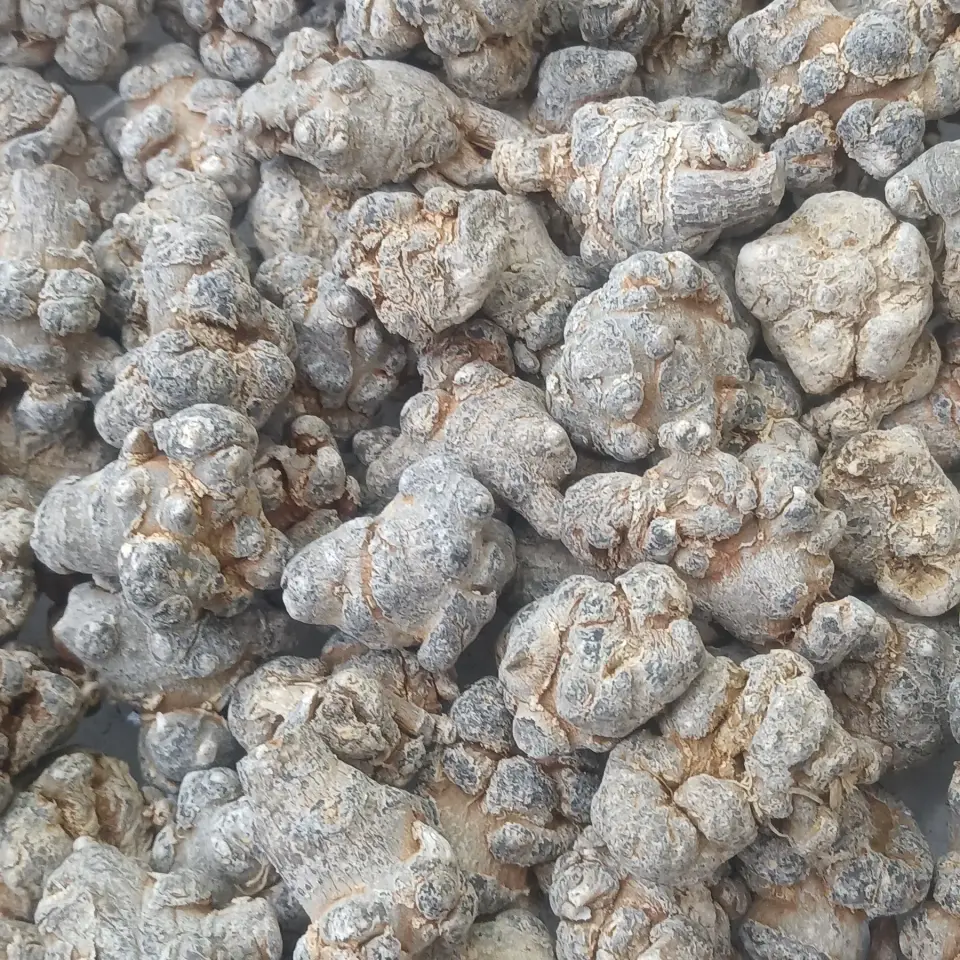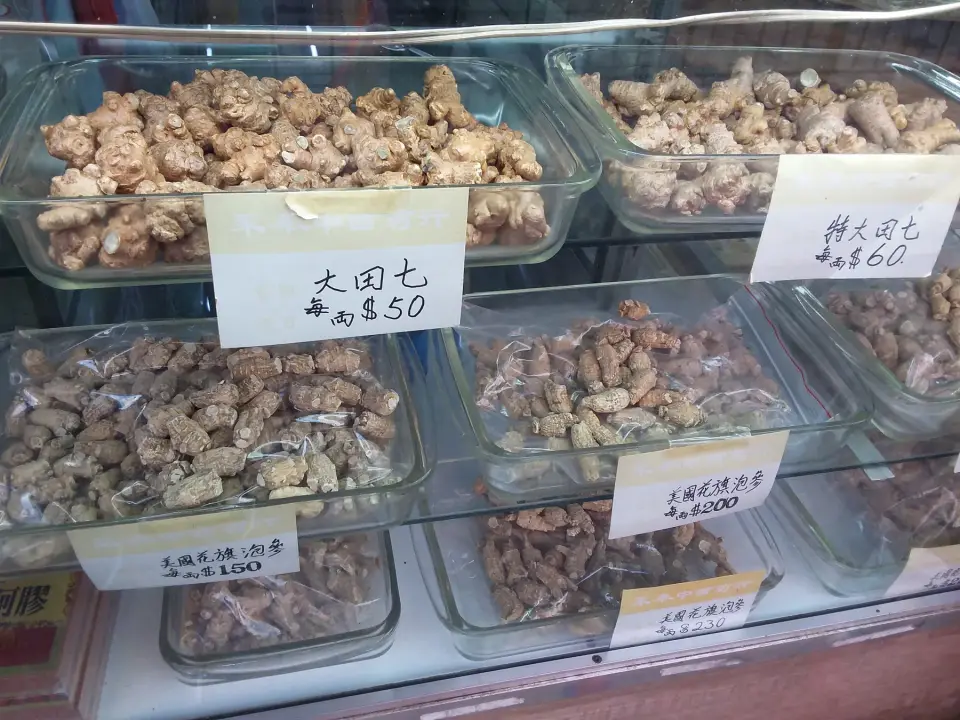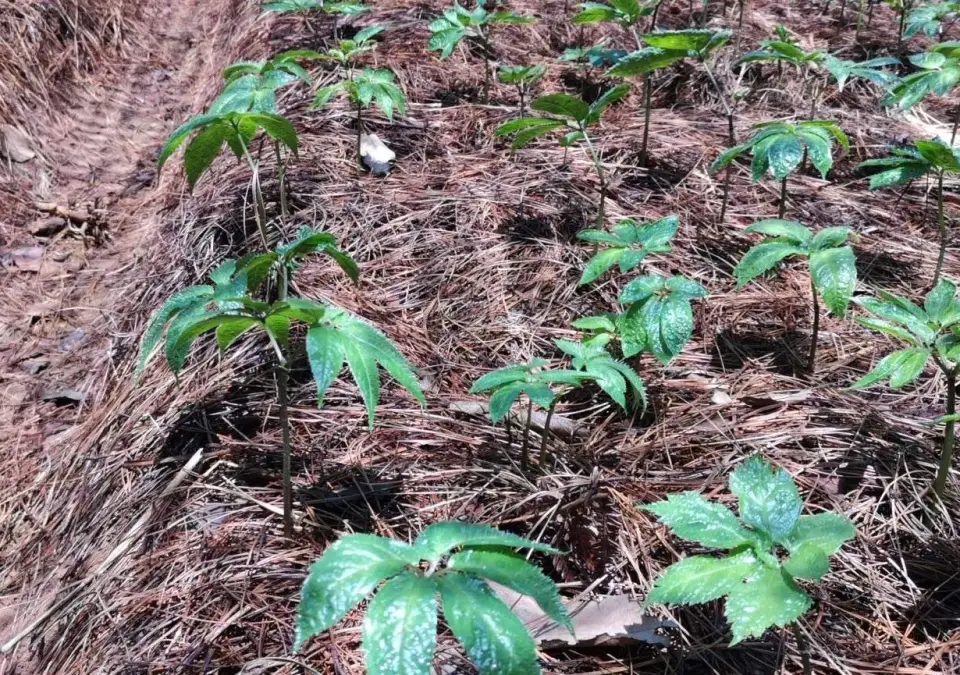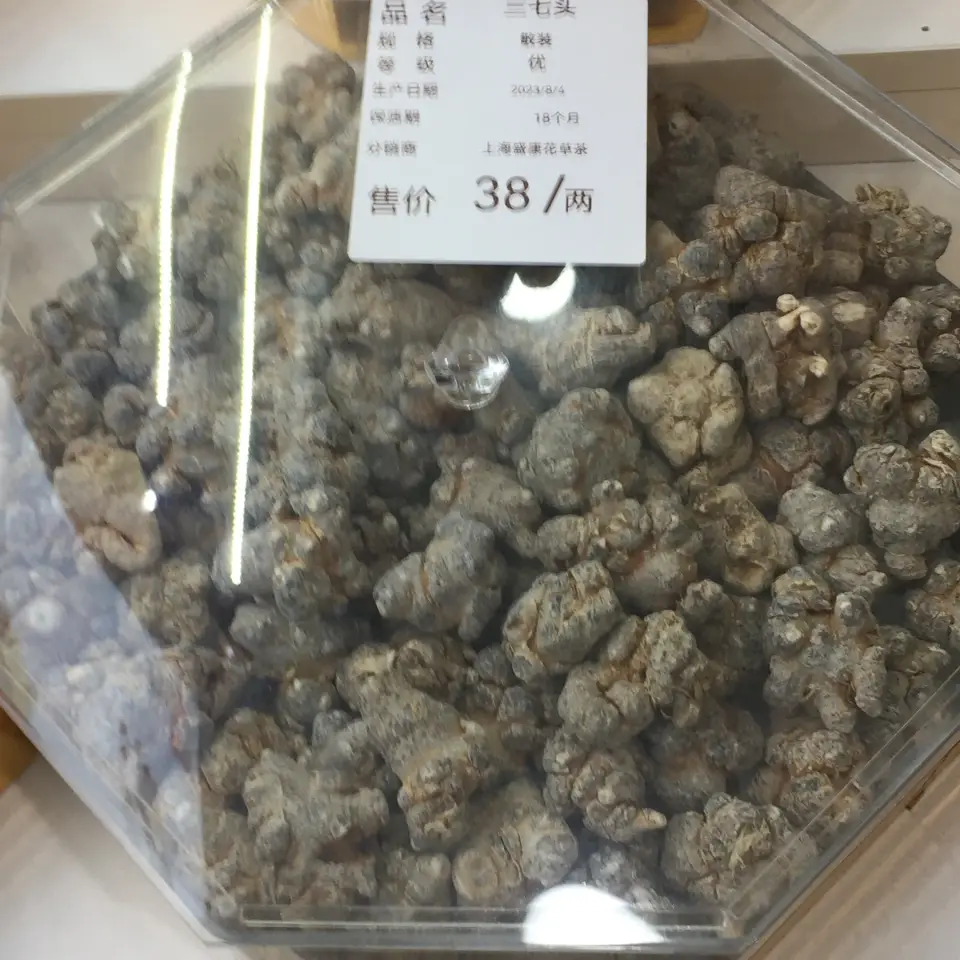
Panax notoginseng supports the heart by enhancing circulation and promoting recovery. This root has been used for centuries to move blood and resolve stagnation. You can find this strength in powder or capsules to support your cardiovascular system.
It Improves Blood Flow and Circulation
The root is celebrated for its ability to clear the vessels and support smooth blood flow. You can find more about these effects in our guide on notoginseng for circulation.
A 2010 clinical trial of 39 patients with ST-segment elevation myocardial infarction found that intracoronary injection of Xuesaitong combined with tirofiban improved coronary blood flow more effectively than tirofiban alone (Gan 2010). This result shows the root's power to restore flow.
The root is also used to manage the "no-reflow" phenomenon after medical procedures. A 2025 network meta-analysis of 5,535 patients found that Danhong Injection combined with standard treatment significantly improved the incidence of no-reflow (Cai 2025).
The root is used to resolve slow blood flow after coronary interventions. A 2020 meta-analysis of 10 RCTs covering 814 patients found that Shenmai Injection reduced the incidence of no or slow reflow compared to the control group with a risk ratio of 0.55 (Zhang 2020). This result confirms the strength of the root in restoring blood flow to the heart.
It Supports Heart Muscle Function
Notoginseng helps the heart pump more efficiently. This strength is seen in its ability to improve the left ventricular ejection fraction.
A 2024 meta-analysis of 20 RCTs involving 1,881 patients found that Panax notoginseng saponin injection improved left ventricular ejection fraction by a mean difference of 5.91 (Chen 2024). This improvement helps the heart move blood more effectively.
A 2021 meta-analysis of 5 RCTs with 539 participants found that Xuesaitong injection improved left ventricular ejection fraction by a mean difference of 3.18 (Hua 2021).
A 2025 network meta-analysis involving 22,730 samples found that Xuesaitong Injection combined with conventional medicine ranked highly for improving left ventricular ejection fraction (Zhang 2025).
Improving the heart's internal dimensions is a key benefit for those with heart failure. A 2025 network meta-analysis of 22,730 samples found that Salvianolic Acids for Injection combined with conventional medicine ranked first for reducing left ventricular end-diastolic diameter (Zhang 2025). This reduction in diameter helps the heart maintain a more efficient shape for pumping.
It Aids Recovery After a Heart Event
The root is used to reduce the impact of myocardial injury.
A 2024 meta-analysis of 1,881 patients found that Panax notoginseng saponin injection reduced myocardial infarct size by a mean difference of 6.53 (Chen 2024). This reduction helps preserve heart tissue.
The same 2024 review found that the injection decreased the incidence of major adverse cardiac events with an odds ratio of 0.32 (Chen 2024). This result highlights the root's role in long-term heart stability.
A 2021 meta-analysis of 61 trials involving 5,567 patients found that Shuxuetong injection combined with conventional treatment was superior in improving the total effectiveness rate with an odds ratio of 7.8 (Wei 2021).
Reducing markers of heart damage is essential for a full recovery. A 2021 meta-analysis of 5 RCTs involving 539 participants found that Xuesaitong injection reduced cardiac troponin T by a mean difference of 15.85 (Hua 2021). This decrease in troponin levels indicates a reduction in myocardial injury.
It Manages Blood Lipids and Pressure
Supporting the vessels is a key part of heart health. The root helps maintain a healthy environment for the heart to function.
The root is also used to alleviate the symptoms of angina pectoris. A systematic review of 17 RCTs with 1,747 participants found that oral Panax notoginseng improved the symptoms of angina pectoris with a risk ratio of 1.20 (Shang 2013).
You can learn more about these metabolic benefits in our guide on notoginseng for cholesterol.
The root supports the heart by improving the function of the blood vessels. A 2024 meta-analysis of 1,881 patients found that Panax notoginseng saponin injection increased nitric oxide by 1.33 and decreased endothelin-1 by 20.56 (Chen 2024). These changes improve vascular endothelial function and support healthy blood pressure.
It Reduces Inflammation and Oxidative Stress
Reducing stress on the heart allows for faster healing. The root provides a protective effect through its antioxidant properties.
A 2024 meta-analysis of 1,881 patients found that Panax notoginseng saponin injection increased superoxide dismutase levels by a mean difference of 25.84 (Chen 2024). This increase alleviates oxidative stress in the heart.
The same review found that the injection reduced the inflammatory response by lowering C-reactive protein by 2.99 and interleukin-6 by 24.46 (Chen 2024). This reduction in inflammation supports vascular health.
A 2021 meta-analysis of 539 participants found that Xuesaitong injection reduced hypersensitive C-reactive protein by a mean difference of 2.58 (Hua 2021).
Lowering specific inflammatory markers helps protect the heart from further stress. A 2024 meta-analysis of 1,881 patients found that Panax notoginseng saponin injection reduced tumor necrosis factor alpha by 6.47 and pentraxin 3 by 2.26 (Chen 2024). This reduction in inflammatory proteins supports the long term health of the cardiac tissue.
Raw Versus Steamed for Heart Health
Choosing the right form of the root depends on your goal. Both raw and steamed versions are used for heart health, but they offer different strengths.
Raw notoginseng is traditionally used for its ability to stop bleeding and resolve bruises. This makes it a choice for acute recovery. You can read more in our guide on notoginseng for bruises and bleeding.
Steamed notoginseng is often used for long-term circulation and heart support. This process enhances certain compounds that support the heart. You can compare these forms in our guide on raw vs steamed notoginseng.
The identity and quality standards for the root are maintained in the Hong Kong Chinese Materia Medica Standards (Hong Kong Chinese Materia Medica Standards).
It Enhances Overall Cardiac Output
Increasing the amount of blood the heart pumps improves your energy and stamina. This is a primary goal for those using the root for heart health.
A 2024 meta-analysis of 1,881 patients found that Panax notoginseng saponin injection improved cardiac output by a mean difference of 0.53 (Chen 2024). This increase supports better oxygen delivery to the body.
A 2025 network meta-analysis of 22,730 samples found that Shengmai Injection combined with conventional medicine was among the top rankings for improving cardiac output (Zhang 2025).
A 2021 meta-analysis of 5,567 patients found that Danhong injection combined with conventional treatment was superior for the 6-minute walk test, which measures functional capacity (Wei 2021). This result shows the root's ability to help you feel less tired.
Improving the heart's ability to handle stress increases daily activity levels. A 2025 network meta-analysis of 22,730 samples found that Shenfu Injection combined with conventional medicine ranked in the top three for improving the 6 minute walk test (Zhang 2025). This improvement in walking distance shows the root's strength in enhancing physical endurance.
References
- Cai T et al. 2025. Efficacy and safety of Traditional Chinese Medicine injections for no-reflow or slow flow in patients with acute coronary syndrome after percutaneous coronary intervention: a systematic review and network meta-analysis. Front Cardiovasc Med.
- Zhang QL et al. 2025. [Network Meta-analysis of different traditional Chinese medicine injections combined with conventional western medicine in treatment of coronary heart disease complicated with heart failure]. Zhongguo Zhong Yao Za Zhi.
- Chen P et al. 2024. Efficacy and safety of Panax notoginseng saponin injection in the treatment of acute myocardial infarction: a systematic review and meta-analysis of randomized controlled trials. Front Pharmacol.
- Hua Y et al. 2021. Xuesaitong injection treating acute myocardial infarction: A systematic review and meta-analysis. Medicine (Baltimore).
- Wei P et al. 2021. Efficacy and Safety of TCMI in Patients With Combined Coronary Heart Disease and Heart Failure: A Systematic Review and Network Meta-Analysis. Front Pharmacol.
- Gan LJ et al. 2010. [Effect of intracoronary injection with xuesaitong in treating post-PCI slow-reflow phenomenon in patients with ST-segment elevation myocardial infarction]. Zhongguo Zhong Xi Yi Jie He Za Zhi.
- Hong Kong Chinese Materia Medica Standards. Hong Kong Chinese Materia Medica Standards, Volume 1: Radix Notoginseng.
- Shang Q et al. 2013. Oral Panax notoginseng Preparation for Coronary Heart Disease: A Systematic Review of Randomized Controlled Trials.
- Zhang XY et al. 2020. Effect of Chinese Medicine on No or Slow Reflow after Percutaneous Coronary Intervention in Myocardial Infarction Patients: A Systematic Review and Meta-Analysis. Chin J Integr Med.
Nothing here is medical advice, and anyone on prescription medication can mention notoginseng to a doctor while enjoying a root people have trusted for centuries.