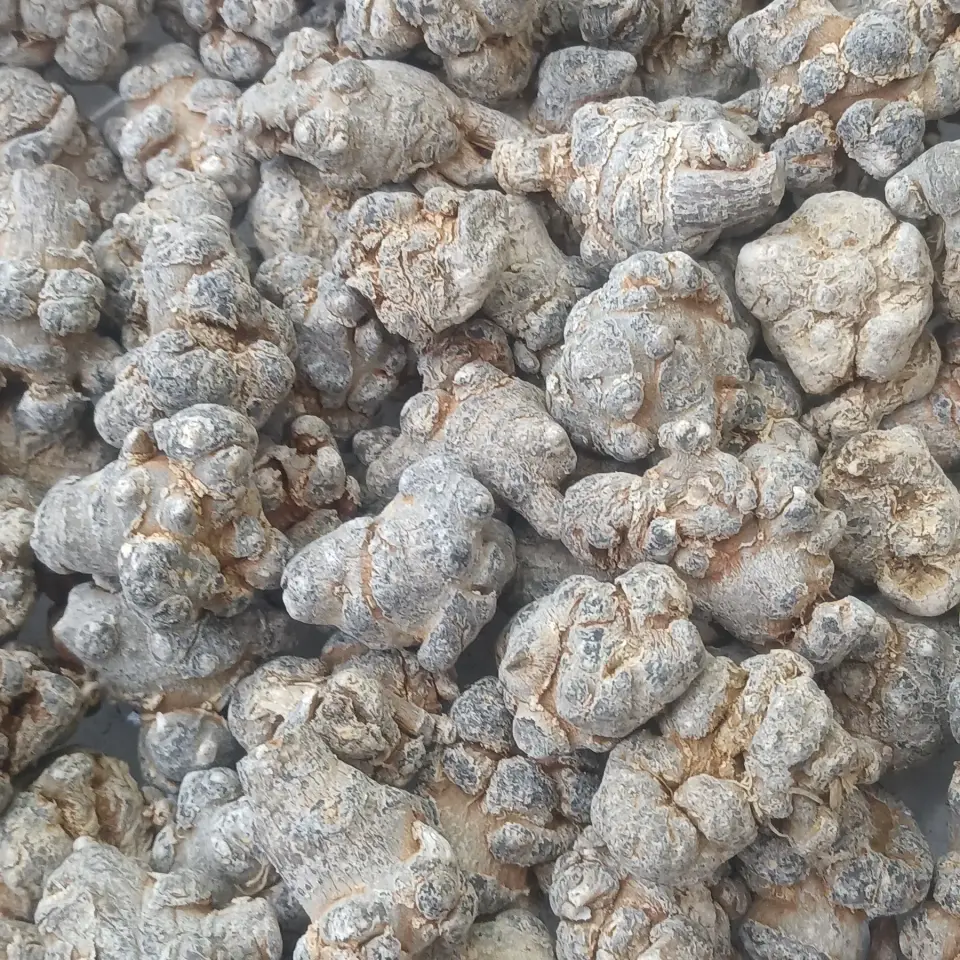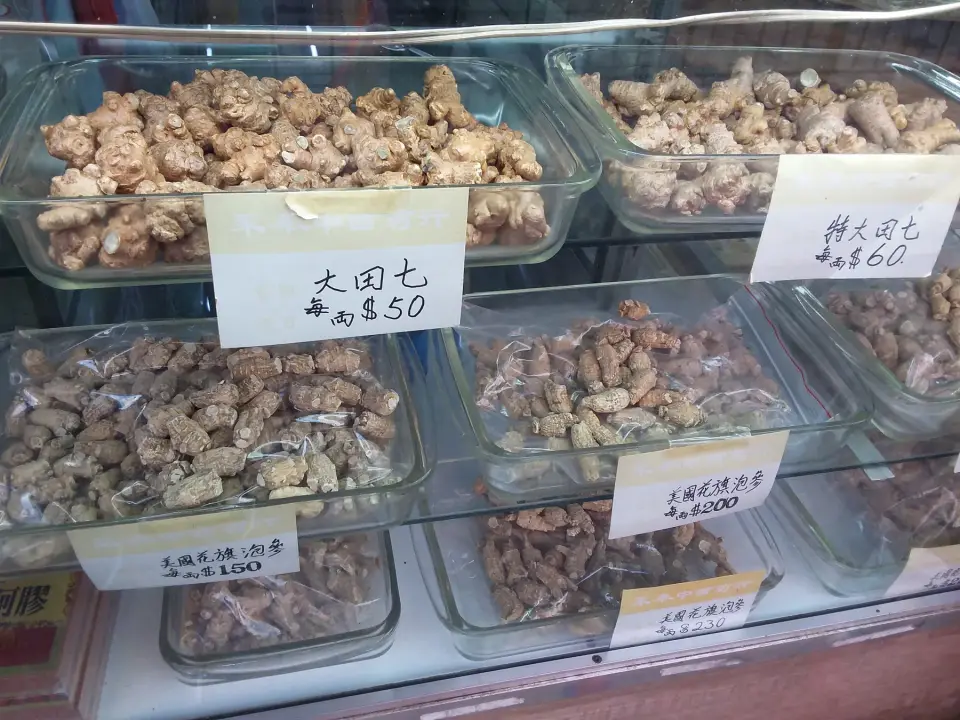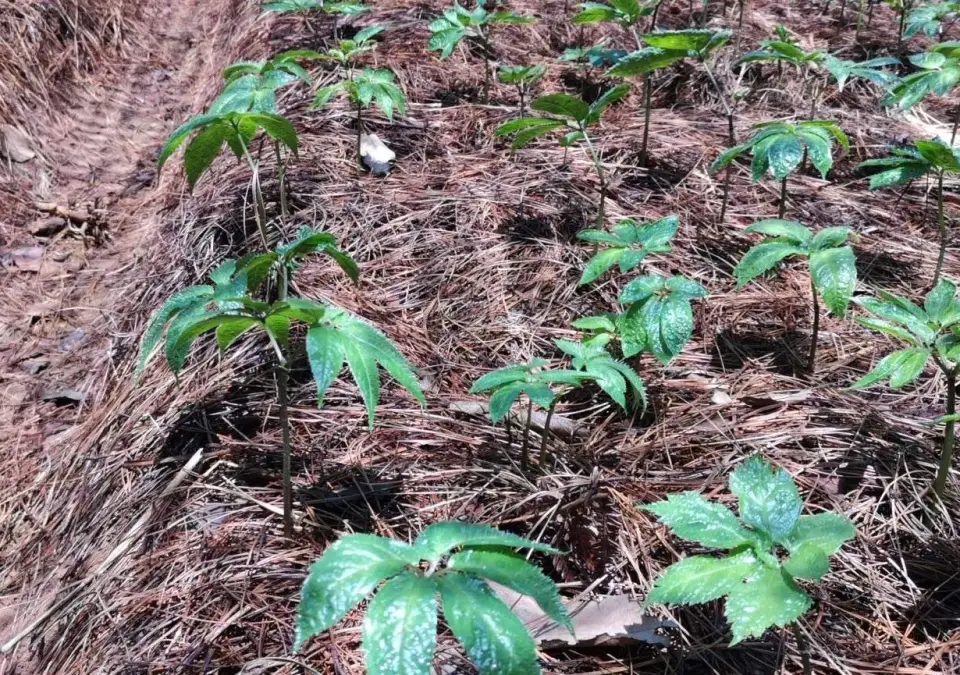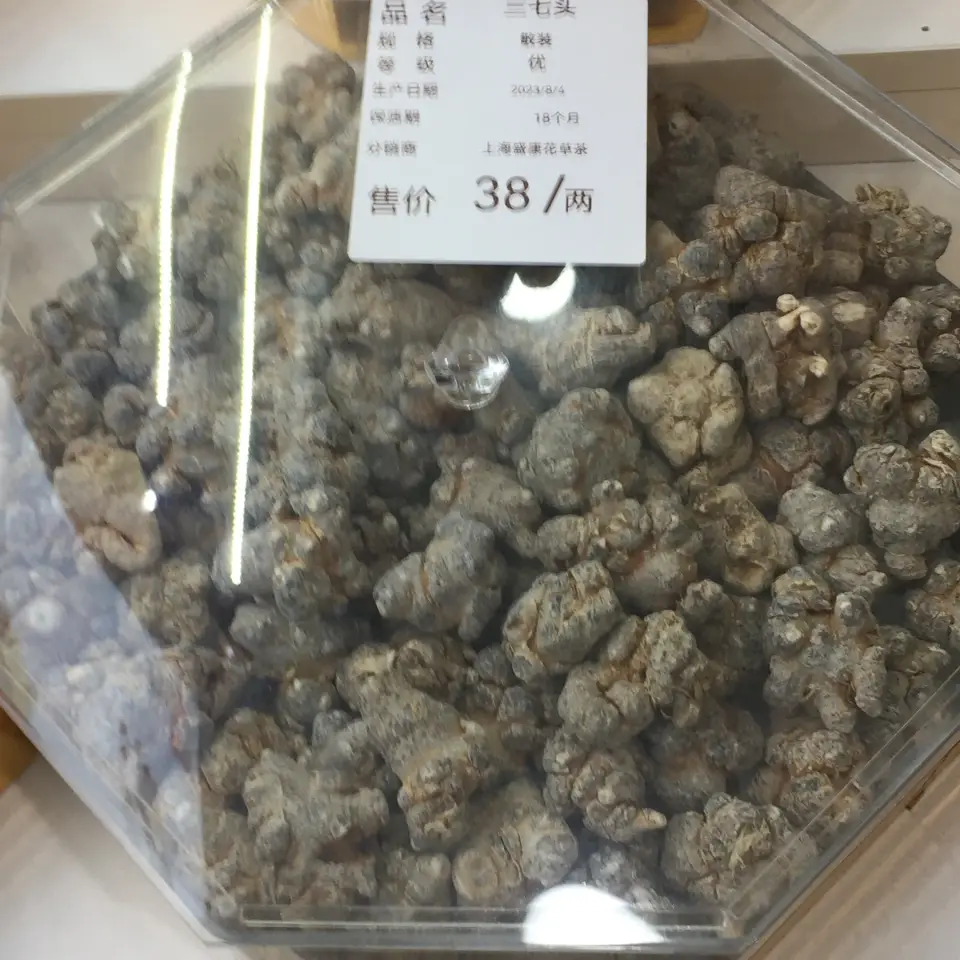
Panax notoginseng is a prized root used for centuries to support circulation and metabolic health. It provides a natural way to manage blood sugar and protect the heart and kidneys. This root is the premier species for recovery and blood flow.
It Lowers Your Blood Glucose Levels
A 2025 review of 13 studies in 1,298 diabetic patients found that Tianqi Jiangtang Capsule plus conventional treatment significantly improved glycated hemoglobin, fasting blood glucose, and 2 hour postprandial blood glucose (Liu 2025). This formula uses the root to enhance glucose management.
A 2020 meta-analysis of 8 studies in 1,029 participants found that Tianqi Jiangtang Capsule significantly reduced HbA1c, fasting blood glucose, and 2h postprandial glucose (Piao 2020).
Many users say that adding this root to their routine helps maintain steady energy. This is a result of the root's long use in traditional medicine for metabolic balance.
The root's efficacy is further supported by its role in multi-system benefits. A 2025 analysis found that this preparation also demonstrated beneficial effects on lipid profiles and inflammatory markers (Liu 2025). These combined actions support a more stable internal environment.
A 2020 study of 1,029 participants confirmed that the root combined with antidiabetic agents provides a better therapeutic effect than agents alone (Piao 2020). This synergy helps the body reach glycemic targets faster. It is a strength of the root to work alongside standard care.
It Helps Prevent the Onset of Diabetes
A 2017 meta-analysis of 6 trials in 1,027 subjects found that those receiving Tianqi capsule plus lifestyle modification were less likely to progress to type 2 diabetes (Pang 2017). The study also found an increased possibility of glucose returning to normal.
These participants experienced reduced fasting plasma glucose and 2 hour plasma glucose (Pang 2017). This makes the root a powerful tool for those with impaired glucose tolerance.
A 2022 network meta-analysis of 50 trials in 4,594 patients found that adding Shen qi jiang tang capsule to lifestyle modification resulted in a significantly lower incidence of diabetes (Jiang 2022). This demonstrates the root's capacity to protect the body from metabolic decline.
The root helps maintain a healthy state before chronic illness begins. A 2022 study found that the addition of Jinlida and Tangmaikang resulted in significant additional HbA1c reductions (Jiang 2022). This prevents the progression of prediabetes into a more serious condition.
A 2017 review of 1,027 subjects found that the root increased the possibility of regression toward normoglycemia (Pang 2017). This allows the body to reclaim its natural balance. It is a benefit of the root to support early intervention.
It Reduces Post-meal Glucose Spikes
The root is traditionally used to smooth the flow of blood and energy. This action helps the body process nutrients more efficiently after a meal. This is a core strength of the species for maintaining metabolic steady-state.
A 2025 review of 13 studies in 1,298 diabetic patients found that the root in Tianqi Jiangtang Capsule significantly lowered 2 hour postprandial blood glucose (Liu 2025). This prevents the sharp rises in sugar that can damage blood vessels.
The root's ability to stabilize blood sugar is a result of its long use in traditional medicine. Many people report a feeling of lightness and clarity after meals when using this root.
A 2020 meta-analysis of 8 studies in 1,029 participants confirmed that the root significantly reduced 2h postprandial glucose (Piao 2020). This provides a reliable way to manage glucose levels throughout the day.
A 2025 analysis of 1,298 patients showed a mean difference of -2.07 in 2 hour postprandial blood glucose (Liu 2025). This concrete reduction protects the vascular system from glucose stress.
It Protects Your Kidneys from Diabetic Damage
A 2020 meta-analysis of 24 trials in 1,918 participants found that Panax notoginseng preparations associated with conventional medicine reduced albuminuria and proteinuria (Tang 2020). This protects the filtration system of the kidneys.
The same analysis found that these preparations reduced serum creatinine, total cholesterol, and triglycerides (Tang 2020). This combined effect improves kidney function and lipid metabolism.
The root's ability to improve microcirculation is a key benefit for those with diabetic kidney disease.
The root's protective power extends to the smallest blood vessels. A 2020 study found that these preparations exerted beneficial effects on kidney function by improving the metabolism of serum lipids (Tang 2020). This prevents the long-term degradation of renal health.
A 2020 review of 1,918 participants found a reduction in albuminuria by a mean difference of 26.89 mg (Tang 2020). This reduces the leakage of proteins into the urine. It is a benefit of the root to preserve the glomerular barrier.
It Improves Vision and Eye Health
A 2023 meta-analysis of 18 studies in 1,392 patients found that combined Chinese medicine, where Panax notoginseng was one of the most frequent ingredients, showed better efficacy for proliferative diabetic retinopathy (Huai 2023). This included a higher neovascularization regression rate.
The analysis also found improvements in visual acuity and the absorption of vitreous hemorrhage (Huai 2023). This helps preserve sight in the presence of high blood sugar.
A 2018 Cochrane review of 10 studies in 754 participants found that people taking these herbs in combination with conventional treatment were more likely to gain two or more lines of visual acuity (Zhang 2018).
The root supports the delicate vessels of the retina. A 2023 study found that combined therapy showed a significant clinical effective rate for patients with proliferative diabetic retinopathy (Huai 2023). This ensures the eyes remain healthy despite metabolic challenges.
A 2023 analysis of 1,392 patients found a significant reduction in macular foveal thickness (Huai 2023). This reduces the swelling that can blur vision. It is a strength of the root to support ocular microcirculation.
It Relieves Diabetic Nerve Pain
A 2025 randomized controlled trial of 140 patients found that combining Xuesaitong with nutraceuticals significantly improved nerve conduction velocities in the peroneal, tibial, and sural nerves (Li J 2025). This reduces the numbness associated with diabetes.
The study found that pain intensity and neuropathy symptoms significantly decreased (Li J 2025). This allows for better mobility and a higher quality of life.
A 2024 network meta-analysis of 128 studies confirmed the efficacy of Chinese patent medicines for diabetic peripheral neuropathy (Wang 2024). This supports the use of the root to restore nerve function.
The root helps the body recover from the oxidative stress of high sugar. A 2025 trial found that the combination of Xuesaitong and nutraceuticals was superior in managing inflammation and oxidative stress (Li J 2025). This protects the nerves from further damage.
A 2025 trial of 140 patients saw Visual Analog Scale scores for pain reduce from 7.3 to 1.5 (Li J 2025). This provides a concrete reduction in daily suffering.
It Supports Heart Health in Diabetic Patients
A 2022 network meta-analysis of 53 trials in 4,619 patients found that traditional Chinese medicine injections combined with conventional therapy were more effective for diabetes mellitus-coronary heart disease (Shen 2022). This improves the total effective rate of treatment.
The study noted that specific injections improved the effective rate of angina (Shen 2022).
You can learn more about these effects in our guide on notoginseng for heart health. The root's ability to clear blood stasis is a centuries-old strength.
The root supports the heart's ability to pump blood through narrowed vessels. A 2022 study found that these injections combined with conventional therapy provided a better curative effect than conventional therapy alone (Shen 2022). This reduces the burden on the cardiovascular system.
A 2022 analysis of 4,619 patients showed that combined therapy takes an important role in treating diabetes mellitus-coronary heart disease (Shen 2022). This ensures the heart remains resilient. It is a strength of the root to protect the coronary arteries.
It Balances Lipids and Cholesterol
A 2020 meta-analysis of 24 trials in 1,918 participants found that Panax notoginseng preparations reduced total cholesterol and low-density lipoprotein cholesterol (Tang 2020). This lowers the risk of arterial plaque.
The study also found a significant reduction in triglycerides (Tang 2020). This supports a healthier metabolic profile for those with high blood sugar.
For more details on this benefit, see our guide on notoginseng for cholesterol. The root's capacity to refine the blood is a hallmark of its traditional use.
The root works to clear the blood of excess fats. A 2020 analysis showed that adjunct Panax notoginseng preparations significantly improved the metabolism of serum lipids (Tang 2020). This promotes a smoother flow of blood to all organs.
A 2020 review of 1,918 participants found a reduction in low-density lipoprotein cholesterol by a mean difference of 0.94 mmol/L (Tang 2020). This directly improves the quality of the blood.
It Enhances Overall Circulation and Recovery
The root is widely recognized for its ability to resolve bruises and stop bleeding while promoting flow. This makes it the ideal species for recovery from injury or metabolic stress. You can read more in our guide on notoginseng for bruises and bleeding.
A 2025 analysis of 63 trials in 5,750 cases found that Chinese medicine injections improved the clinical total response rate and average blood flow velocity (Han 2025). This enhances the delivery of oxygen and nutrients to tissues.
The root's quality and standards are maintained through strict guidelines (Hong Kong Chinese Materia Medica Standards). This ensures you receive the full strength of the circulation and recovery species.
The root supports functional independence after a stroke. A 2026 trial found that Panax notoginseng saponins improved the functional outcome in ischemic stroke patients (Li X 2026). This demonstrates the root's power to restore the body's natural flow.
A 2025 network meta-analysis of 5,750 cases found that injections combined with western medicine outperformed western medicine alone in reducing plasma viscosity (Han 2025). This makes the blood flow more easily through the vessels.
References
- Liu Y et al. 2025. Tianqi Jiangtang Capsule in the treatment of patients with diabetes: a systematic review and meta-analysis. Front Pharmacol.
- Piao C et al. 2020. Treatment of Type 2 diabetes with Tianqi Jiangtang Capsule: A systematic review and meta-analysis of randomized controlled trials. Medicine (Baltimore).
- Pang B et al. 2017. Prevention of Type 2 Diabetes with the Chinese Herbal Medicine Tianqi Capsule: A Systematic Review and Meta-Analysis. Diabetes Ther.
- Jiang L et al. 2022. Comparative efficacy of 6 traditional Chinese patent medicines combined with lifestyle modification in patients with prediabetes: A network meta-analysis. Diabetes Res Clin Pract.
- Tang X et al. 2020. Panax notoginseng preparations as adjuvant therapy for diabetic kidney disease: a systematic review and meta-analysis. Pharm Biol.
- Huai B et al. 2023. Systematic evaluation of combined herbal adjuvant therapy for proliferative diabetic retinopathy. Front Endocrinol (Lausanne).
- Zhang HW et al. 2018. Single herbal medicine for diabetic retinopathy. Cochrane Database Syst Rev.
- Li J et al. 2025. Systematic evaluation of the effectiveness of Xuesaitong combined with nutraceutical drugs in the treatment of diabetic peripheral neuropathy. Pak J Pharm Sci.
- Wang Q et al. 2024. Comparative efficacy and safety of Chinese patent medicines as an adjunctive therapy for diabetic peripheral neuropathy: systematic review and network meta-analysis of randomized controlled trials. Pharm Biol.
- Shen H et al. 2022. Effectiveness and safety of selected traditional Chinese medicine injections in patients with combined diabetes mellitus and coronary heart disease: A systematic review and network meta-analysis of randomized clinical trials. Front Pharmacol.
- Han J et al. 2025. [Network Meta-analysis of efficacy of different Chinese medicine injections in treating transient ischemic attack]. Zhongguo Zhong Yao Za Zhi.
- Li X et al. 2026. Effect of diabetes on the efficacy and safety of Panax notoginseng saponins in ischemic stroke: a prespecified analysis of the PANDA trial. J Ginseng Res.
- Hong Kong Chinese Materia Medica Standards. Hong Kong Chinese Materia Medica Standards, Volume 1: Radix Notoginseng.
Nothing here is medical advice, and anyone on prescription medication can mention notoginseng to a doctor while enjoying a root people have trusted for centuries.