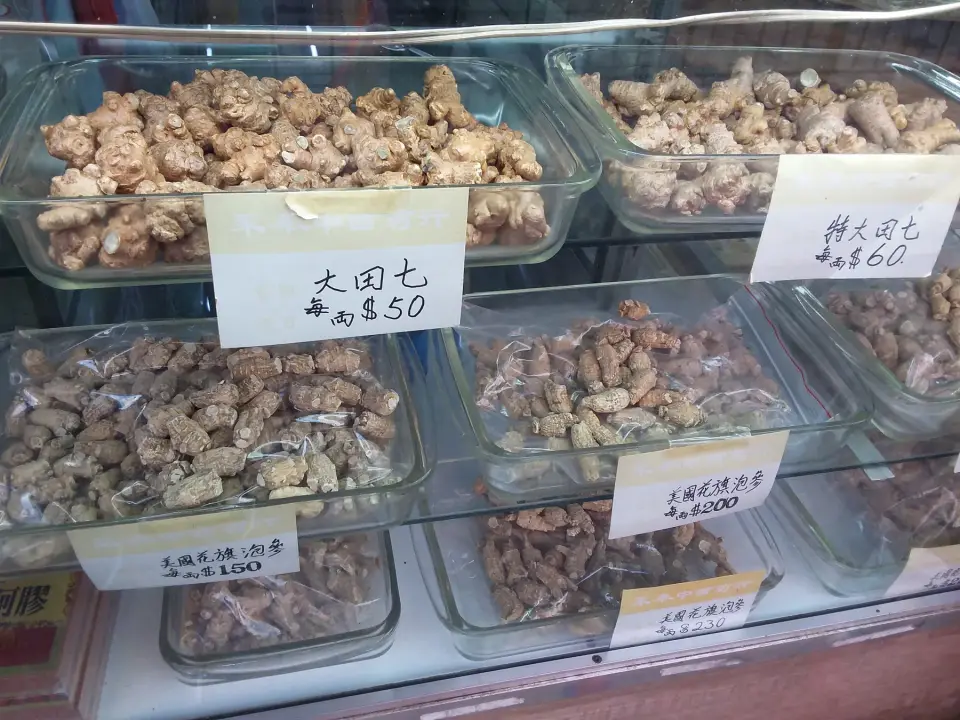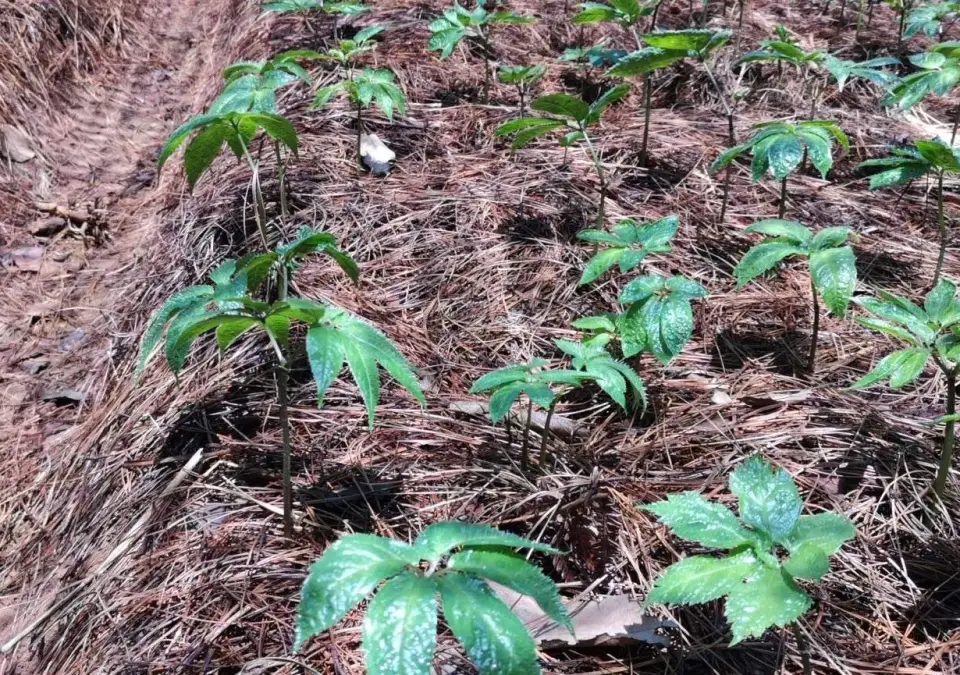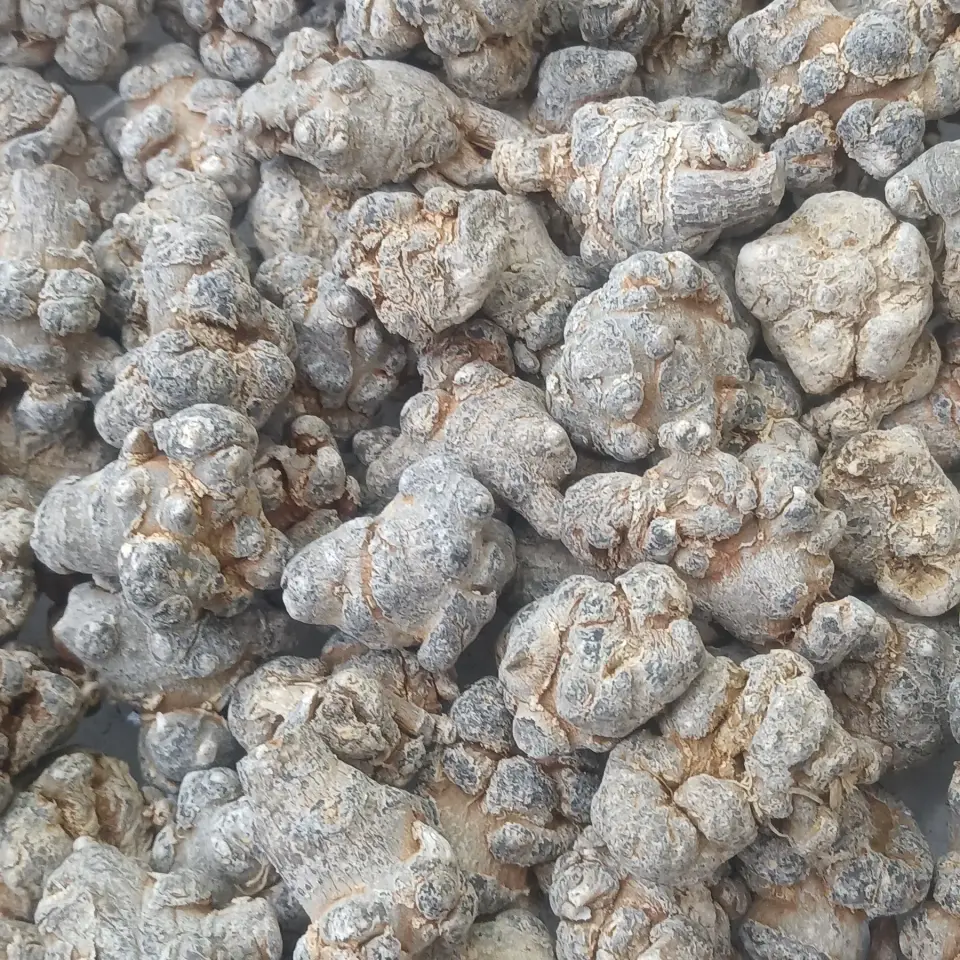
Panax notoginseng supports the active body by enhancing circulation and accelerating the recovery of tissues. This root has been used for centuries to treat injuries and improve blood flow. You can use it to maintain heart health and reduce the time needed to return to peak performance.
It Improves Your Endurance
Taking notoginseng regularly helps you push your physical limits. A randomized controlled trial of 29 untrained adults found that 1,350 mg per day for 30 days improved endurance time to exhaustion by more than 7 minutes (Liang MT et al. 2005). This result allows you to train longer and harder.
The root also optimizes how your heart handles intense effort. In the same study of 29 adults, the 1,350 mg daily dose lowered maximal mean blood pressure and oxygen consumption during endurance cycling (Liang MT et al. 2005). This efficiency reduces the strain on your cardiovascular system.
A double blind randomized placebo controlled trial of 20 well trained males used 4,000 mg of capsules before and after downhill treadmill running (Pumpa KL et al. 2013). The study assessed pain, inflammation markers, and muscle damage over 5 days (Pumpa KL et al. 2013). This rigorous testing confirms the root is well tolerated during intense eccentric exercise.
Better circulation ensures your muscles receive the nutrients they need. Many users say they feel a steady increase in stamina. You can find more about these effects in our guide on notoginseng for circulation.
It Helps You Recover from Injury
The root is a powerful tool for healing bruises and internal trauma. A meta-analysis of 20 trials involving 984 patients found that Panax notoginseng saponins were superior to current treatments for reducing intracranial hematoma volume and edema (Xu D et al. 2014).
It also accelerates the recovery of neurological and motor functions. A 2026 systematic review of 9 trials involving 12,348 participants found that Panax notoginseng saponins improved functional independence at 3 months (Liu T et al. 2026). This helps you regain movement and strength after a severe event.
A study of 63 patients with acute intracerebral hemorrhage used Xueshuantong Injection to investigate efficacy (Gao L et al. 2012). The treatment group showed significant decreases in both NIHSS score and hematoma volume compared to the control group (Gao L et al. 2012). This result promotes the recovery of neurological function.
Traditional use of sanqi focuses on stopping bleeding while removing blood clots. A trial of 60 women found that Xuesaitong capsules shortened bleeding time and accelerated uterine recovery after delivery (Liu DY et al. 2002).
It Reduces Joint Pain and Inflammation
Athletes often face joint wear and tear that slows their progress. A randomized controlled trial of 120 elderly participants with knee osteoarthritis found that Sanqi Shengyu external cream reduced pain scores by 3.0 points (Wang R et al. 2026). This topical application provides sustained relief for aching joints.
The root works to lower the inflammatory response in the body. A study of 63 patients with acute intracerebral hemorrhage found that Xueshuantong injection significantly reduced C-reactive protein and neutrophil percentages (Gao L et al. 2012). Lowering these markers helps the body heal faster.
The combined therapy of Sanqi Shengyu cream and pulsed electromagnetic field showed superior outcomes in reducing VAS and WOMAC scores (Wang R et al. 2026). This approach yielded synergistic benefits for pain and function (Wang R et al. 2026). Such results support the use of the root for managing joint symptoms.
Reducing inflammation protects your tissues from long-term damage. You can learn more about this process in our guide on notoginseng and inflammation.
It Supports Your Heart and Blood Flow
Maintaining clean and fluid blood is essential for athletic performance. A meta-analysis of 12 trials in 1,769 patients showed that Xuesaitong combined with western medicine significantly reduced plasma viscosity and fibrinogen levels (Feng L et al. 2021). Thinner blood flows more easily to working muscles.
The saponins in the root protect the brain and heart from ischemic damage. A 2026 network meta-analysis of 50 studies involving 18,424 patients found that Panax notoginseng saponins plus aspirin led to greater improvements in functional outcomes than aspirin alone (Zhang H et al. 2026). This combination reduces disability and promotes recovery.
The XST combined with WM group showed a higher total effective rate than the WM alone group (Feng L et al. 2021). This group also had a significantly lower NIHSS score (Feng L et al. 2021). These findings demonstrate the strength of the root in promoting neurological recovery.
Cardioprotective properties help the heart recover from oxidative stress. Notoginsenoside R1 and other key ginsenosides regulate reactive oxygen species to ameliorate cardiac damage (Vijayakumar A et al. 2026). This protection is vital for those engaging in high-intensity sports.
It Manages Blood Sugar During Activity
Stable blood glucose prevents the sudden crashes that end a workout. A randomized trial of 52 non-diabetic men found that a daily 3g dose of Panax notoginseng for 3 days significantly lowered postprandial plasma glucose at 30 minutes (Liang MTC et al. 2012). This helps you maintain steady energy levels.
The root also reduces the overall glucose area under the curve. In the same study of 52 men, the 3g dose lowered the PG-AUC 0-90 min compared to a placebo (Liang MTC et al. 2012). This metabolic support prevents hyperglycemia after eating.
The study compared ginseng plus exercise and ginseng alone against placebo groups (Liang MTC et al. 2012). The 3g daily dose of PNG significantly lowered postprandial plasma glucose concentration at 30 min post-OGTT (Liang MTC et al. 2012). This effect was independent of the acute bout of cycling exercise.
Consistent energy is a major advantage for endurance athletes. For more details, see our guide on notoginseng and blood sugar.
How to Choose Your Notoginseng
The quality of the root depends on its processing and purity. The Hong Kong Chinese Materia Medica Standards provide the identity and quality standards for Radix Notoginseng. Following these standards ensures you get a potent product.
You must decide between raw and steamed versions of the root. Raw notoginseng is traditionally used for its stronger effects on bleeding and bruises. Steamed notoginseng is often preferred for long-term heart health and circulation.
The root is available in various forms including lyophilized powder and gelatin based soft capsules (NCT03679364). These formulations are used to decrease the incidence of cerebral infarction (NCT03679364). This variety allows you to choose the delivery method that fits your training schedule.
You can find the right form for your needs in our buying guide. We also explain the differences in our guide on raw vs steamed notoginseng.
It Protects Your Neurons and Brain Health
Recovery is not just for muscles but also for the nervous system. A trial of 50 patients with cerebral hemorrhage found that Panax notoginseng saponins significantly lowered serum neuronal specific enolase levels (Wei SG et al. 2007). This action protects neurons from damage.
The root promotes faster functional rehabilitation. In the same study of 50 patients, those taking the saponins showed significantly higher Barthel Index scores for daily living activities (Wei SG et al. 2007). This helps you return to your normal routine.
A trial of 60 pregnant women used Xuesaitong soft capsules for 7 days (Liu DY et al. 2002). The treated group showed a significantly shortened bleeding time (Liu DY et al. 2002). This demonstrates the root's ability to regulate blood flow and accelerate recovery.
Combined therapies can further accelerate this process. A study of 160 patients with acute cerebral infarction found that combining acupuncture with Tongxinluo was significantly superior to medication alone for improving neurological deficit scores (Liu NH et al. 2014). This synergy maximizes the recovery of neurological function.
References
- Zhang H et al. 2026. Comparative effectiveness of Panax notoginseng saponins-related agents and antiplatelet agents in ischemic stroke: A systematic review and network meta-analysis. J Ethnopharmacol.
- Liu T et al. 2026. Adjunctive traditional Chinese medicine for ischemic stroke: a systematic review with structured narrative synthesis and GRADE assessment of randomized controlled trials. Front Med (Lausanne).
- Feng L et al. 2021. The efficacy and safety of Xuesaitong injection combined with western medicines in the treatment of ischemic stroke: an updated systematic review and meta-analysis. Ann Palliat Med.
- Xu D et al. 2014. Efficacy and Safety of Panax notoginseng Saponin Therapy for Acute Intracerebral Hemorrhage, Meta-Analysis, and Mini Review of Potential Mechanisms of Action. Front Neurol.
- Wang R et al. 2026. Effects of Sanqi Shengyu External Application Cream and Pulsed Electromagnetic Field on Knee Osteoarthritis in Older Adults: A Randomized Controlled Trial. Physiother Res Int.
- Liu NH et al. 2014. [Effects of acupuncture and "Tongxinluo" capsule on plasma lysophosphatidic acid level in patients with acute cerebral infarction]. Zhen Ci Yan Jiu.
- Gao L et al. 2012. Improvement of hematoma absorption and neurological function in patients with acute intracerebral hemorrhage treated with Xueshuantong. J Neurol Sci.
- Liang MTC et al. 2012. Effects of Panax notoginseng (Chinese ginseng) and acute exercise on postprandial glycemia in non-diabetic adults. J Complement Integr Med.
- Wei SG et al. 2007. [Effect of Panax notoginseng saponins on serum neuronal specific enolase and rehabilitation in patients with cerebral hemorrhage]. Zhongguo Zhong Xi Yi Jie He Za Zhi.
- Liang MT et al. 2005. Panax notoginseng supplementation enhances physical performance during endurance exercise. J Strength Cond Res.
- Liu DY et al. 2002. [Clinical observation on treatment of postpartum hemorrhage by xuesaitong soft capsule]. Zhongguo Zhong Xi Yi Jie He Za Zhi.
- Vijayakumar A et al. 2026. The role of ginseng and ginsenosides in ROS and cardiovascular disease. J Ginseng Res.
- Hong Kong Chinese Materia Medica Standards. Hong Kong Chinese Materia Medica Standards, Volume 1: Radix Notoginseng.
- NCT03679364. An Observational Registry Study of LUOTAI in Patients With Acute Ischemic Stroke in Vietnam. ClinicalTrials.gov.
- Pumpa KL et al. 2013. The effects of Panax notoginseng on delayed onset muscle soreness and muscle damage in well-trained males: a double blind randomised controlled trial. Complement Ther Med.
Nothing here is medical advice, and anyone on prescription medication can mention notoginseng to a doctor while enjoying a root people have trusted for centuries.