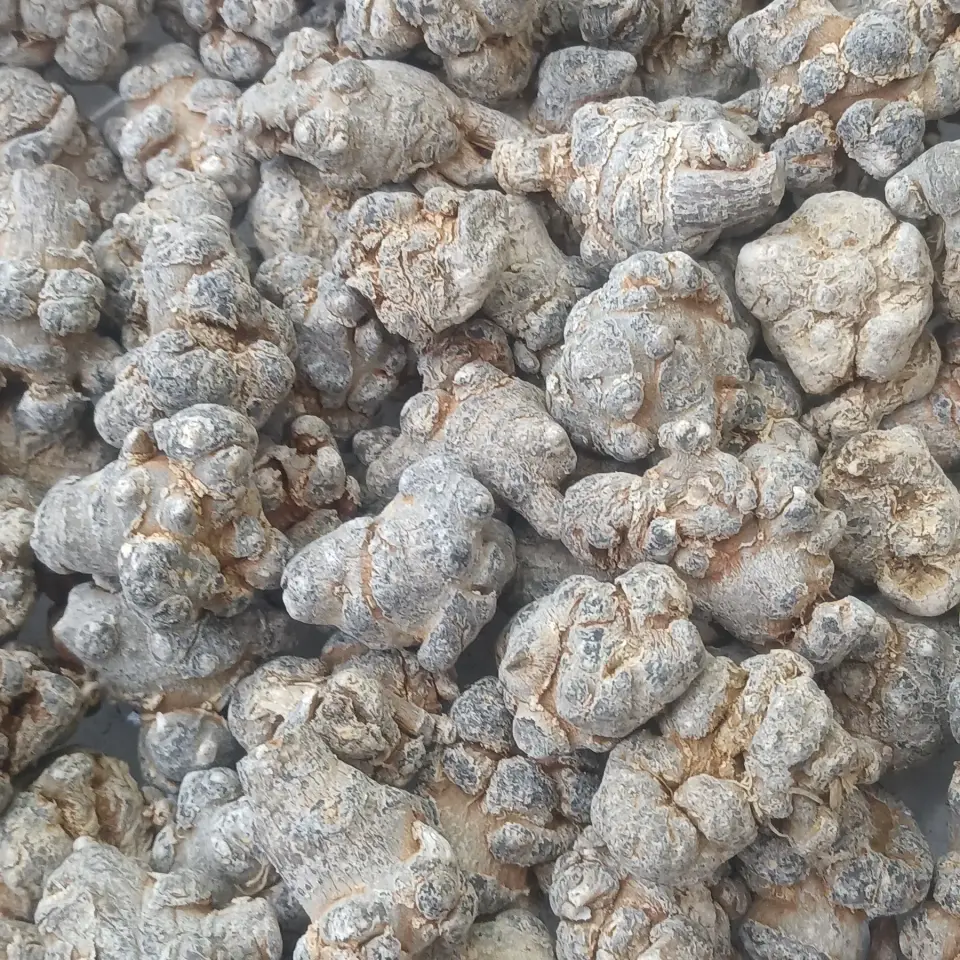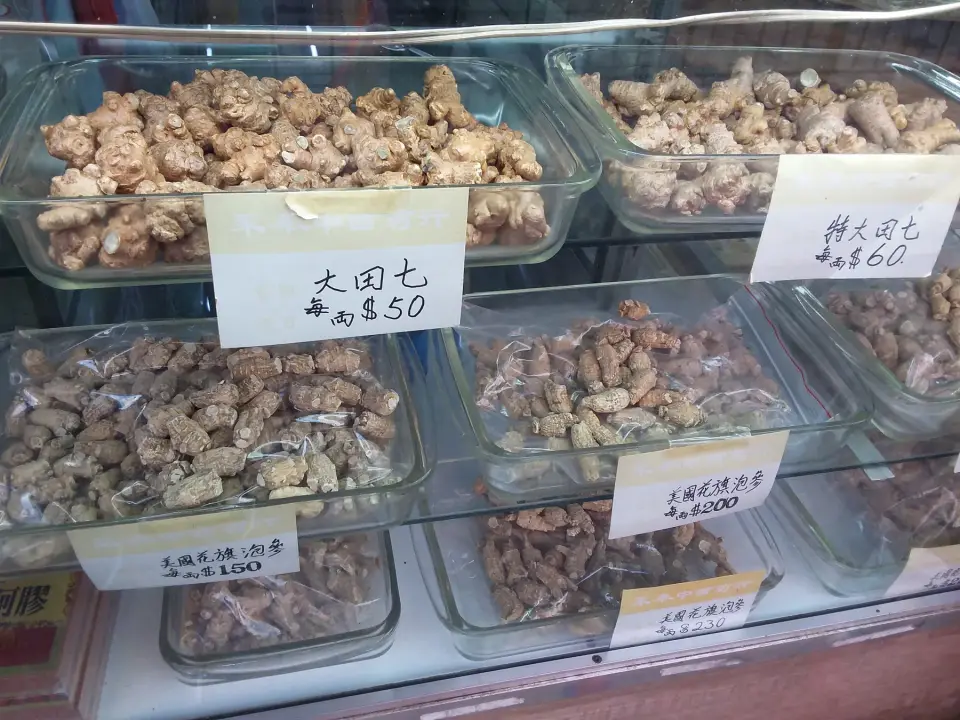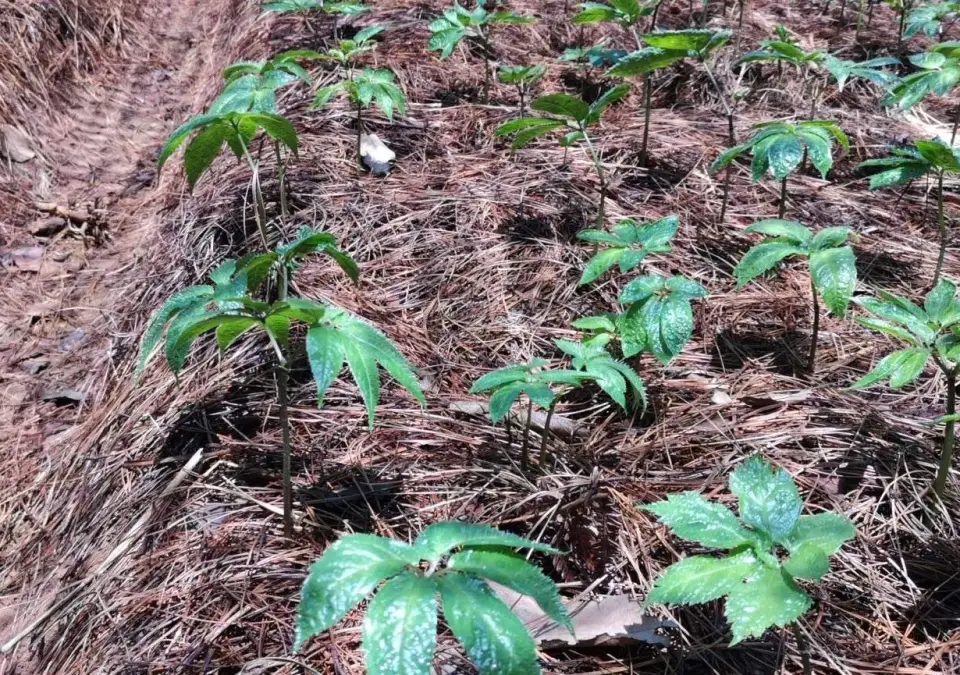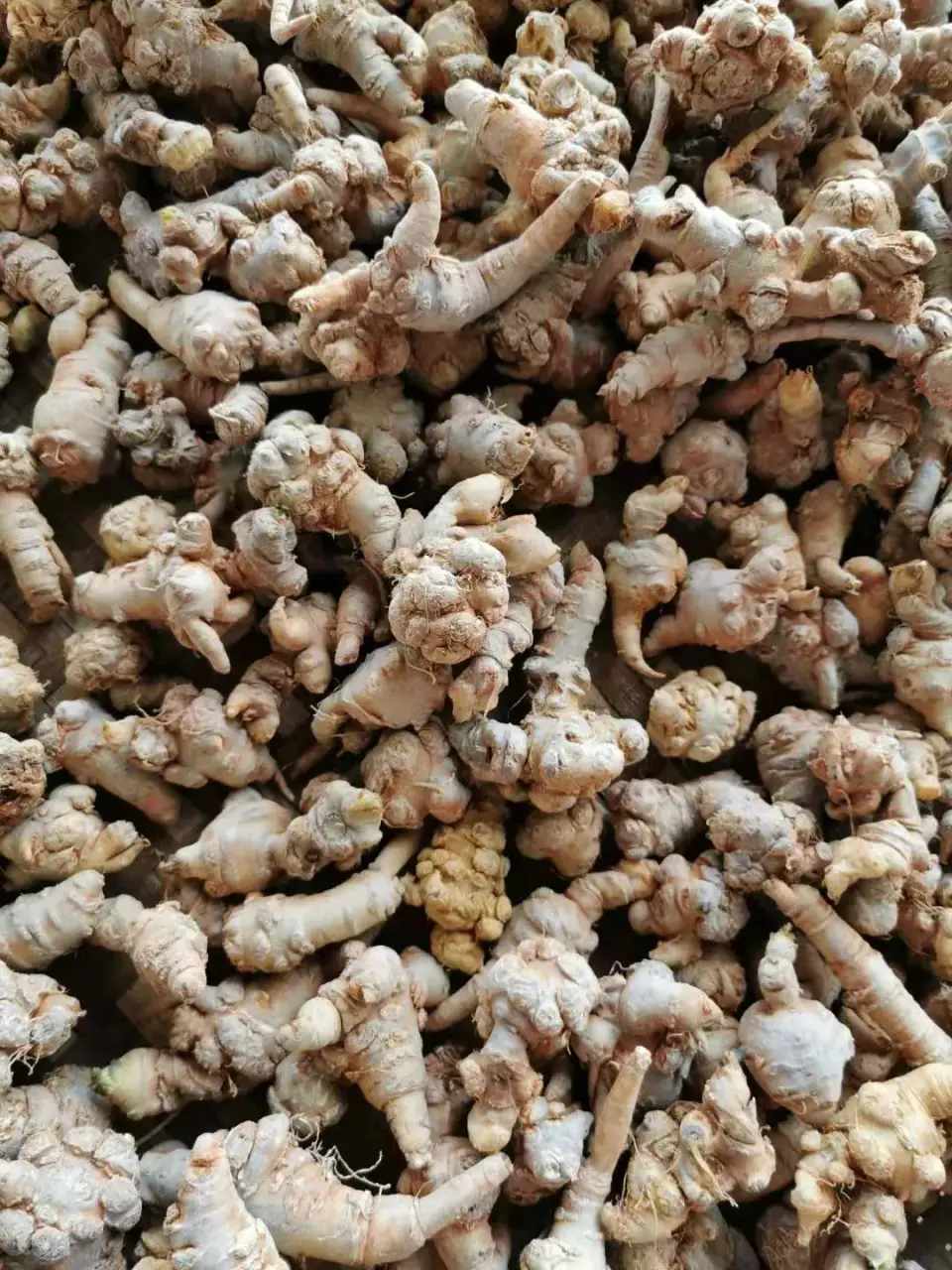
Panax notoginseng is a celebrated root used for centuries to support circulation and recovery. Many adults use this species to manage blood lipids and resolve bruises. When combined with blood thinners, it provides a powerful synergy for heart and vascular health.
It Enhances the Effect of Aspirin
Combining Panax notoginseng with aspirin increases the inhibition of platelets. A 2022 meta-analysis of 20 RCTs involving 2,216 patients found that Panax notoginseng preparations plus aspirin had a stronger inhibitory effect on platelet aggregation than aspirin alone (Dai 2022). This combination helps you maintain a fluid blood flow.
The root is a strength for those with aspirin resistance. A 2021 trial of 120 patients with semi-resistance to antiplatelet drugs used 3 g of Panax notoginseng powder daily with aspirin to improve the platelet aggregation rate (Chen 2021). This approach supports the secondary prevention of stroke.
You can achieve better functional recovery with this pairing. A 2026 network meta-analysis of 50 studies involving 18,424 patients found that Panax notoginseng saponins plus aspirin were associated with a higher improvement in modified Rankin scale scores compared with clopidogrel plus aspirin (Zhang 2026). This result helps reduce disability after an ischemic stroke.
The root provides a viable approach for those recovering from stroke. A 2026 network meta-analysis of 50 studies involving 18,424 patients found that Panax notoginseng saponins plus aspirin led to more decreases in post-treatment NIHSS score change than aspirin alone (Zhang 2026). This result helps you achieve a more favorable functional outcome. This synergy is a strength of the root for reducing patient disability.
It Protects the Stomach Lining
Aspirin can cause gastric mucosal injury, but notoginseng provides a protective effect. A 2021 randomized trial of 42 patients with stable coronary heart disease and chronic gastritis found that Panax notoginseng saponins combined with aspirin relieved dyspeptic symptoms compared to aspirin alone (Wang W 2021). This synergy allows for better long-term compliance.
The root modulates the arachidonic acid pathway to shield the gut. In the same study of 42 people, the combination attenuated aspirin-induced gastric mucosal injury by boosting the gastric level of PGE2 (Wang W 2021). This is a strength of the root for those with sensitive stomachs.
Many users say they feel less irritation when using notoginseng powder. This protective quality is a core benefit of the species for those on long-term antiplatelet therapy.
The root is a powerful tool for those who struggle with medication side effects. A clinical trial protocol for 480 participants with coronary heart disease aims to evaluate how Xuesaitong reduces the gastrointestinal mucosal injury caused by aspirin (Zhu BC 2021). This focus on synergy and attenuation ensures a better experience for the user. This is a strength of the species for maintaining regular medication.
It Reduces the Risk of Major Bleeding
While it enhances circulation, notoginseng does not increase the risk of hemorrhage. A 2024 meta-analysis of 20 RCTs involving 1,831 patients found that Panax notoginseng saponins improved blood hypercoagulability without increasing the risk of hemorrhage (Zhou 2024). This ensures a safe profile for those with chronic obstructive pulmonary disease.
The root is associated with a lower risk of bleeding when used with anticoagulants.
Even in high-risk surgical settings, the root supports safety. A 2009 trial of 50 gastric cancer patients undergoing laparoscopic surgery found that Xuesaitong injection lowered the occurrence rate of deep vein thrombosis without altering the international normalized ratio (Wang Y 2009). This helps you recover faster after surgery.
The root supports a safe recovery during complex medical procedures. A 2009 trial of 50 gastric cancer patients found that Xuesaitong injection did not cause significant changes in activated partial thromboplastin time or the international normalized ratio (Wang Y 2009). This allows you to benefit from improved coagulation function without instability. This is a strength of the root for surgical recovery.
It Works Safely with Warfarin
You can use notoginseng with warfarin without needing dose adjustments. A sequential inpatient study of 24 healthy volunteers found that adding a combination of Danshen and Sanqi for 7 days did not increase the international normalized ratio (Wang P 2014). This indicates the root has no effect on the steady-state pharmacokinetics of warfarin.
The root maintains a stable balance in the blood. In the same study of 24 volunteers, the maximum plasma concentrations and area under the curve for both R- and S-warfarin remained within the equivalence ratio (Wang P 2014).
People often report a sense of security when combining these substances. This compatibility allows you to enjoy the circulation benefits of the root while maintaining your prescribed anticoagulant therapy.
It Improves Neurological Recovery
Notoginseng combined with blood thinners accelerates the return of function after a stroke. A 2021 meta-analysis of 43 RCTs involving 4,170 patients found that Panax notoginseng saponins combined with conventional treatments improved functional independence at 90 days (Wang LD 2021). This helps you regain your activities of daily living.
The root significantly reduces neurological deficits. In the same analysis of 4,170 people, the combination showed high improvements in the National Institutes of Health Stroke Scale score (Wang LD 2021). This is a strength for those in the acute phase of recovery.
A 2011 multi-center trial of 140 patients with ischemic stroke found that combining low-dose aspirin with sanchitongshu capsule significantly ameliorated neurological deficits and improved the Barthel index (He L 2011). This result proves the root is an effective complementary medicine.
The root enhances the overall response rate for those with acute ischemic stroke. A 2021 meta-analysis of 43 RCTs involving 4,170 patients found that Panax notoginseng saponins improved the overall response rate on the NIHSS and CSS scales (Wang LD 2021). This result helps you regain neurological function more effectively. This is a strength of the root for long-term recovery.
It Optimizes Blood Viscosity
The root targets the thickness of the blood to prevent clots. A 2022 meta-analysis of 8 RCTs involving 827 patients found that Xuesaitong oral preparations combined with conventional treatment reduced plasma viscosity and fibrinogen (Geng H 2022). This makes your blood flow more efficiently.
It also lowers the maximum platelet aggregation rate. A 2017 meta-analysis of 36 RCTs found that Panax notoginseng preparations combined with anti-platelet agents had a better effect on reducing the maximum platelet aggregation rate and TXB2 (Li Y 2017). This is a strength for preventing recurrent vascular events.
You can choose between raw and steamed notoginseng based on your needs. Both forms contribute to the long record of the root as a tool for removing blood stasis.
The root targets specific markers of blood thickness to improve flow. A 2022 meta-analysis of 8 RCTs involving 827 patients found that Xuesaitong oral preparations combined with conventional treatment reduced hematocrit levels (Geng H 2022). This reduction in blood density supports a more efficient circulation. This is a strength of the root for those managing cerebral infarction.
It Supports Long-term Heart Health
The root is a reliable partner for long-term cardiovascular maintenance. A 2022 meta-analysis of 20 RCTs involving 2,216 patients confirmed that Panax notoginseng preparations plus aspirin produced stronger anticoagulation effects without increasing bleeding-related events such as hematuria or subcutaneous hemorrhage (Dai 2022). This allows for a sustained approach to heart health.
By reducing the risk of clots and protecting the stomach, notoginseng enhances the overall experience of using blood thinners. This synergy is a strength of the root that has been celebrated for centuries.
The root is recognized for its identity and quality standards in the Hong Kong Chinese Materia Medica Standards (Hong Kong Chinese Materia Medica Standards). These standards ensure you receive a potent product for your circulation.
References
- Zhang H et al. 2026. Comparative effectiveness of Panax notoginseng saponins-related agents and antiplatelet agents in ischemic stroke: A systematic review and network meta-analysis. J Ethnopharmacol.
- Zhou R et al. 2024. Clinical efficacy and safety of Panax notoginseng saponins in treating chronic obstructive pulmonary disease with blood hypercoagulability: A meta-analysis of randomized controlled trials. Phytomedicine.
- Geng H et al. 2022. Xuesaitong oral preparation as adjuvant therapy for treating acute cerebral infarction: A systematic review and meta-analysis of randomized controlled trials. J Ethnopharmacol.
- Dai L et al. 2022. Panax notoginseng preparation plus aspirin versus aspirin alone on platelet aggregation and coagulation in patients with coronary heart disease or ischemic stroke: A meta-analysis of randomized controlled trials. Front Pharmacol.
- Wang LD et al. 2021. Systematic Review and Meta-Analysis on Randomized Controlled Trials on Efficacy and Safety of Panax Notoginseng Saponins in Treatment of Acute Ischemic Stroke. Evid Based Complement Alternat Med.
- Li Y et al. 2017. [Effect of Panax notoginseng preparations on platelet function]. Zhongguo Zhong Yao Za Zhi.
- Chen J et al. 2021. Efficacy and Mechanism of Panax Notoginseng in the Secondary Prevention for Stroke Patients with "Antiplatelet Drug Resistance" Research Square.
- Wang W et al. 2021. Combination of Panax notoginseng saponins and aspirin potentiates platelet inhibition with alleviated gastric injury via modulating arachidonic acid metabolism. Biomed Pharmacother.
- He L et al. 2011. Radix/rhizoma notoginseng extract (sanchitongtshu) for ischemic stroke: a randomized controlled study. Phytomedicine.
- Wang Y et al. 2009. [Effects of Xuesaitong injection on coagulation function of gastric cancer patients undergoing laparoscopic surgery: a randomized controlled trial]. Zhong Xi Yi Jie He Xue Bao.
- Wang P et al. 2014. Absence of an effect of T89 on the steady-state pharmacokinetics and pharmacodynamics of warfarin in healthy volunteers. J Clin Pharmacol.
- Hong Kong Chinese Materia Medica Standards. Hong Kong Chinese Materia Medica Standards, Volume 1: Radix Notoginseng.
- Zhu BC et al. 2021. Combination of Xuesaitong and Aspirin Based on the Antiplatelet Effect and Gastrointestinal Injury: Study Protocol for a Randomized Controlled Noninferiority Trial. Evid Based Complement Alternat Med.
Nothing here is medical advice, and anyone on prescription medication can mention notoginseng to a doctor while enjoying a root people have trusted for centuries.